

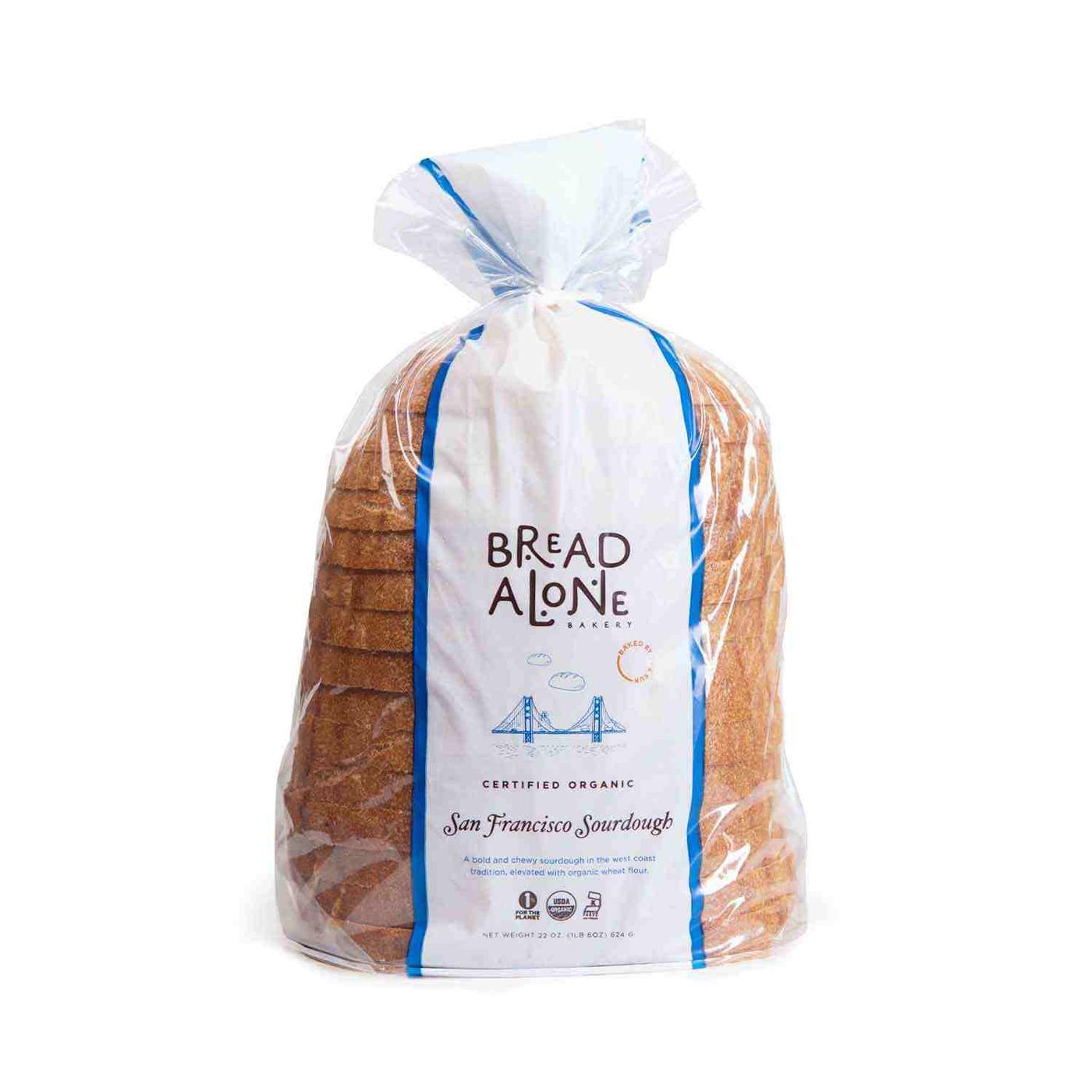


SAN FRANCISCO STYLE SOURDOUGH
Analysis updated June 2026 · How Scout scores
At a glance
Summary
This sourdough bread features several beneficial ingredients like organic wheat flour and whole wheat flour, which contribute to its nutritional value. However, the presence of soy oil, a seed oil high in omega-6 fatty acids, is a significant drawback due to its potential inflammatory effects. The bread is moderately processed, which limits its score despite the use of organic and natural ingredients.
Key ingredients 15
Organic Sourdough CultureVery Good
Organic sourdough culture is beneficial for gut health due to its natural fermentation process. It enhances the bioavailability of nutrients and can improve digestion. The organic nature ensures it is free from synthetic additives.
Benefits
Promotes gut health and improves nutrient absorption through natural fermentation.
Whole Wheat FlourVery Good
Whole wheat flour is a nutrient-dense ingredient providing fiber, vitamins, and minerals. It supports digestive health and provides sustained energy. Its inclusion in bread enhances nutritional value compared to refined flours.
Risks
Potential gluten sensitivity or allergy concerns for some individuals.
Benefits
Rich in fiber and nutrients, supporting digestive health and providing sustained energy.
Sea SaltGood
Unrefined sea salt — a minimally processed, natural source of sodium and essential trace minerals, and a legitimate whole-food seasoning. Treated as a positive ingredient.
Risks
Excessive intake may contribute to high blood pressure.
Benefits
Enhances flavor and contains trace minerals.
Organic EnzymesGood
Organic enzymes are used to improve the texture and shelf life of bread naturally. They help break down starches and proteins, enhancing digestibility. Being organic, they are free from synthetic additives.
Benefits
Improves bread texture and digestibility naturally.
Malted Barley FlourGood
Malted barley flour is used to enhance flavor and improve the fermentation process. It contains enzymes that help break down starches, contributing to a better texture. It also adds a slight sweetness naturally.
Benefits
Enhances flavor and texture naturally, aiding in fermentation.
Natural SourGood
Natural sour is used to enhance the tangy flavor characteristic of sourdough bread. It is a natural ingredient that supports fermentation and improves the bread's texture. It contributes to the unique taste profile of sourdough.
Benefits
Enhances flavor and supports natural fermentation.
Ascorbic AcidGood
Vitamin C — beneficial even when serving as a preservative.
Benefits
Acts as an antioxidant and improves dough quality.
Organic Wheat FlourNeutral
Standard formulation ingredient — neither beneficial nor harmful at typical use.
Risks
Potential gluten sensitivity or allergy concerns for some individuals.
Benefits
Provides carbohydrates for energy and contains some protein and fiber, supporting a balanced diet.
WaterNeutral
Water is a neutral ingredient used as a solvent and to hydrate the dough. It plays a crucial role in the baking process but does not contribute significant nutritional value. It is essential for the texture and consistency of the bread.
Benefits
Essential for dough hydration and texture, but no direct nutritional benefits.
Lactic AcidNeutral
Lactic acid is a natural acid used to enhance flavor and preserve the bread. It is produced during fermentation and contributes to the sour taste. It is generally recognized as safe when used in food.
Benefits
Enhances flavor and acts as a natural preservative.
Corn MealNeutral
Corn meal is used to prevent sticking and add texture to the bread crust. It provides some carbohydrates and fiber but is not a significant source of nutrients in this context. It is generally considered neutral in terms of health impact.
Benefits
Adds texture and prevents sticking, but limited nutritional benefits.
Cultured Wheat FlourNeutral
Standard formulation ingredient — neither beneficial nor harmful at typical use.
Benefits
Enhances flavor and shelf life naturally, improving digestibility.
VinegarNeutral
Vinegar is used to enhance flavor and act as a natural preservative. It contributes to the tangy taste of sourdough and helps inhibit mold growth. It is a natural ingredient with no significant health concerns.
Benefits
Enhances flavor and acts as a natural preservative.
YeastNeutral
Yeast is a natural leavening agent used to make the bread rise. It contributes to the texture and flavor of the bread. It is a common ingredient in bread-making with no significant health concerns.
Benefits
Essential for leavening and contributes to bread texture.
Soy OilVery Bad
Soy oil is a seed oil high in omega-6 fatty acids, which can promote inflammation when consumed in excess. It is often highly processed, which can reduce its nutritional quality. Its inclusion is generally considered negative due to these health concerns.
Risks
High omega-6 content may promote inflammation when consumed in excess.
Processing
Processed Foods
Get the full breakdown in the Scout appTake Scout shopping
Scan any product to see lab results, healthy alternatives, and your personalized analysis.
Download on theApp Store GET IT ONGoogle Play