




At a glance
Summary
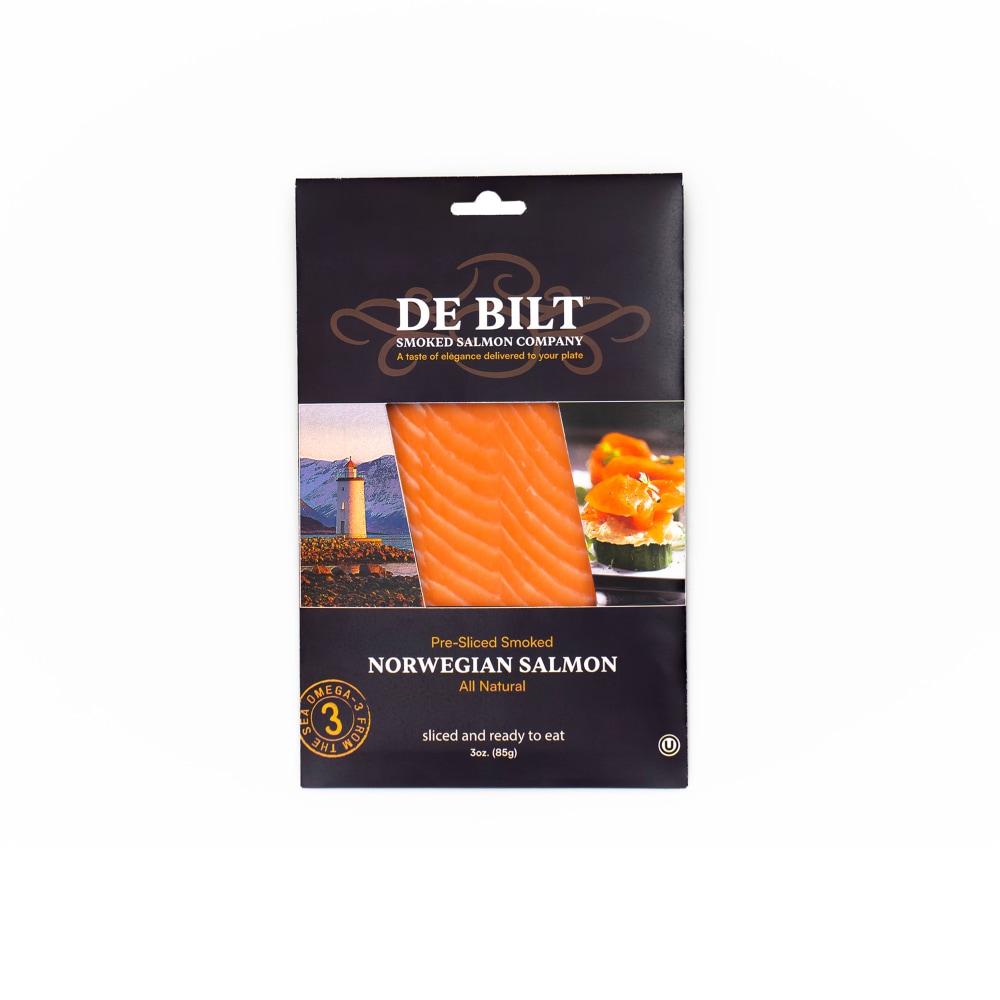
This smoked salmon product is processed but features a clean ingredient list with beneficial components like Atlantic salmon, honey, herbs, and spices. The salmon provides high-quality protein and omega-3 fatty acids, while the use of natural ingredients like garlic and onion enhances its nutritional profile. Despite its processing level, the absence of harmful additives and the inclusion of health-promoting ingredients contribute to a favorable rating.
Key ingredients 9
Atlantic SalmonVery Good
Atlantic Salmon is a high-quality source of protein and omega-3 fatty acids, which are beneficial for heart and brain health. It is rich in essential nutrients like vitamin D and selenium. Compared to other protein sources, it provides a superior amino acid profile and healthy fats.
Risks
Potential risks include exposure to environmental contaminants like PCBs and dioxins, especially in farmed varieties.
Benefits
Rich in omega-3 fatty acids that support cardiovascular health and reduce inflammation. Provides high-quality protein and essential nutrients like vitamin D and selenium.
HoneyGood
Honey is a natural sweetener that provides trace amounts of vitamins and antioxidants. It is less processed than refined sugars and has a lower glycemic index. Compared to refined sugars, it offers minor nutritional benefits.
Risks
Excessive consumption can contribute to increased calorie intake and blood sugar levels.
Benefits
Contains antioxidants and has antibacterial properties. Provides a natural source of sweetness with some nutritional benefits over refined sugar.
HerbsGood
Herbs add flavor and aroma to foods without adding calories or sodium. They are rich in antioxidants and can have anti-inflammatory properties. Using herbs can enhance the nutritional profile of a dish.
Benefits
Rich in antioxidants and may provide anti-inflammatory benefits. Enhance flavor without adding calories or sodium.
SpicesGood
Spices enhance flavor and can provide health benefits due to their antioxidant properties. They are used in small amounts and contribute minimal calories. Spices can improve the palatability and nutritional value of foods.
Benefits
Contain antioxidants and may have anti-inflammatory effects. Enhance flavor and aroma without adding calories.
GarlicGood
Garlic is known for its potential health benefits, including cardiovascular support and immune system enhancement. It contains sulfur compounds that have been linked to health benefits. Garlic adds flavor and nutritional value to foods.
Risks
May cause digestive discomfort in some individuals when consumed in large amounts.
Benefits
Contains compounds that may support heart health and boost the immune system. Adds flavor and nutritional value.
OnionGood
Onion is a flavorful vegetable that provides antioxidants and may have anti-inflammatory properties. It is low in calories and adds depth to the flavor profile of dishes. Onions are a good source of vitamin C and other nutrients.
Risks
May cause digestive discomfort in some individuals when consumed in large amounts.
Benefits
Rich in antioxidants and may provide anti-inflammatory benefits. Adds flavor and nutritional value to dishes.
WaterNeutral
Water is used as a basic ingredient in many food products and does not contribute any nutritional value. It acts as a solvent and helps in maintaining moisture. There are no health concerns associated with water in this context.
See more about Water →SaltNeutral
Salt is used for flavoring and preservation in smoked salmon. It is a common ingredient that enhances taste but can contribute to high sodium intake. While necessary for bodily functions, excessive consumption can lead to health issues.
Risks
High sodium intake can increase the risk of hypertension and cardiovascular diseases.
Benefits
Essential for maintaining fluid balance and nerve function in the body.
Citric AcidNeutral
Citric acid is a natural preservative and flavor enhancer commonly used in food products. It helps maintain freshness and adds a tangy flavor. It is generally recognized as safe when used in food.
Risks
Excessive consumption may cause gastrointestinal discomfort in sensitive individuals.
Benefits
Helps preserve food and enhances flavor. Generally recognized as safe for consumption.
Processing
Processed Foods
Get the full breakdown in the Scout appTake Scout shopping
Scan any product to see lab results, healthy alternatives, and your personalized analysis.
Download on theApp Store GET IT ONGoogle Play