


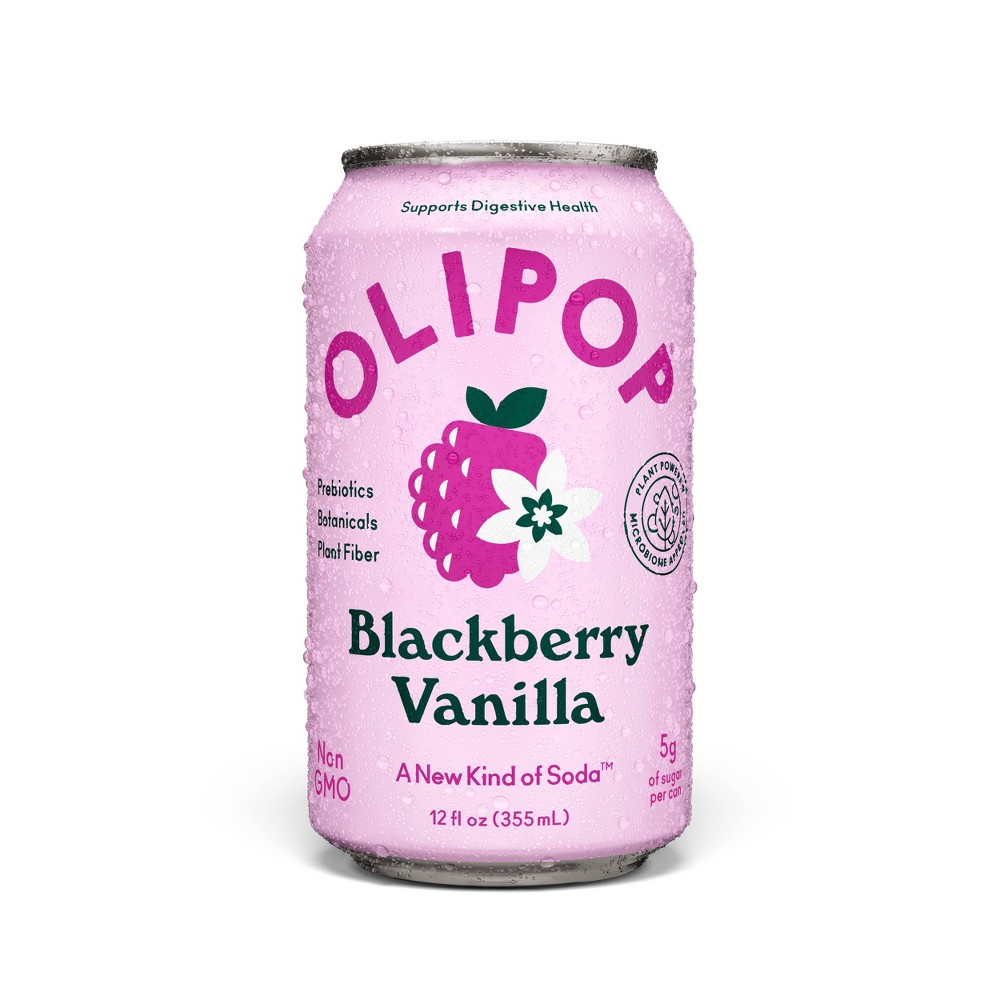
Kuii Prebiotic Soda 12 fl oz Single Aluminum Can Mandarin
Analysis updated August 2026 · How Scout scores
At a glance
Summary
This soda contains added cane sugar, which contributes to excessive calorie intake and potential health issues like obesity. The presence of sodium benzoate as a preservative raises concerns due to its potential to form harmful compounds. Additionally, the use of 'natural flavors' lacks transparency, which can be problematic for consumers seeking clean labels.
Key ingredients 7
Carbonated WaterNeutral
Carbonated water is simply water infused with carbon dioxide gas under pressure. It is a neutral ingredient with no significant health impacts. It serves as the base for many beverages without adding calories or sugars.
See more about Carbonated Water →Soluble Corn FiberNeutral
Soluble corn fiber is a type of dietary fiber used to increase fiber content in foods and beverages. It is processed from corn and can help support digestive health by promoting regularity. However, it does not provide the same nutritional benefits as whole food sources of fiber.
Benefits
May aid in digestive health by promoting regular bowel movements.
Citric AcidNeutral
Citric acid is a natural acid found in citrus fruits, used as a preservative and flavor enhancer. It is generally recognized as safe and is widely used in the food industry. While it can enhance flavor, it does not provide significant nutritional benefits.
Risks
Excessive consumption may lead to dental erosion.
Steviol GlycosidesNeutral
Steviol glycosides are natural sweeteners derived from the stevia plant, offering sweetness without calories. They are considered safe and do not raise blood sugar levels, making them suitable for diabetics. However, they do not provide any nutritional benefits.
Benefits
Provides sweetness without calories, suitable for diabetics.
Cane SugarBad
Cane sugar is a source of added sugars, which can contribute to excessive calorie intake and potential weight gain. It is processed to remove impurities, resulting in a refined product with no fiber or nutrients. High consumption of added sugars is linked to various health issues, including obesity and metabolic syndrome.
Risks
Excessive intake of added sugars can lead to obesity, type 2 diabetes, and heart disease.
Natural FlavorBad
Natural flavors are complex mixtures created by flavorists to enhance taste, but their exact composition is often undisclosed. They can contain numerous chemicals, some of which may not be beneficial to health. The lack of transparency and potential for synthetic additives make them a concern for some consumers.
Risks
Potential exposure to undisclosed synthetic chemicals and allergens.
Sodium BenzoateBad
Sodium benzoate is a preservative used to prevent spoilage and extend shelf life. It can form benzene, a known carcinogen, when combined with vitamin C under certain conditions. Its use is controversial due to potential health concerns, especially in high amounts.
Risks
May form benzene, a carcinogen, when combined with vitamin C.
Processing
Processed Foods
Get the full breakdown in the Scout appTake Scout shopping
Scan any product to see lab results, healthy alternatives, and your personalized analysis.
Download on theApp Store GET IT ONGoogle Play