


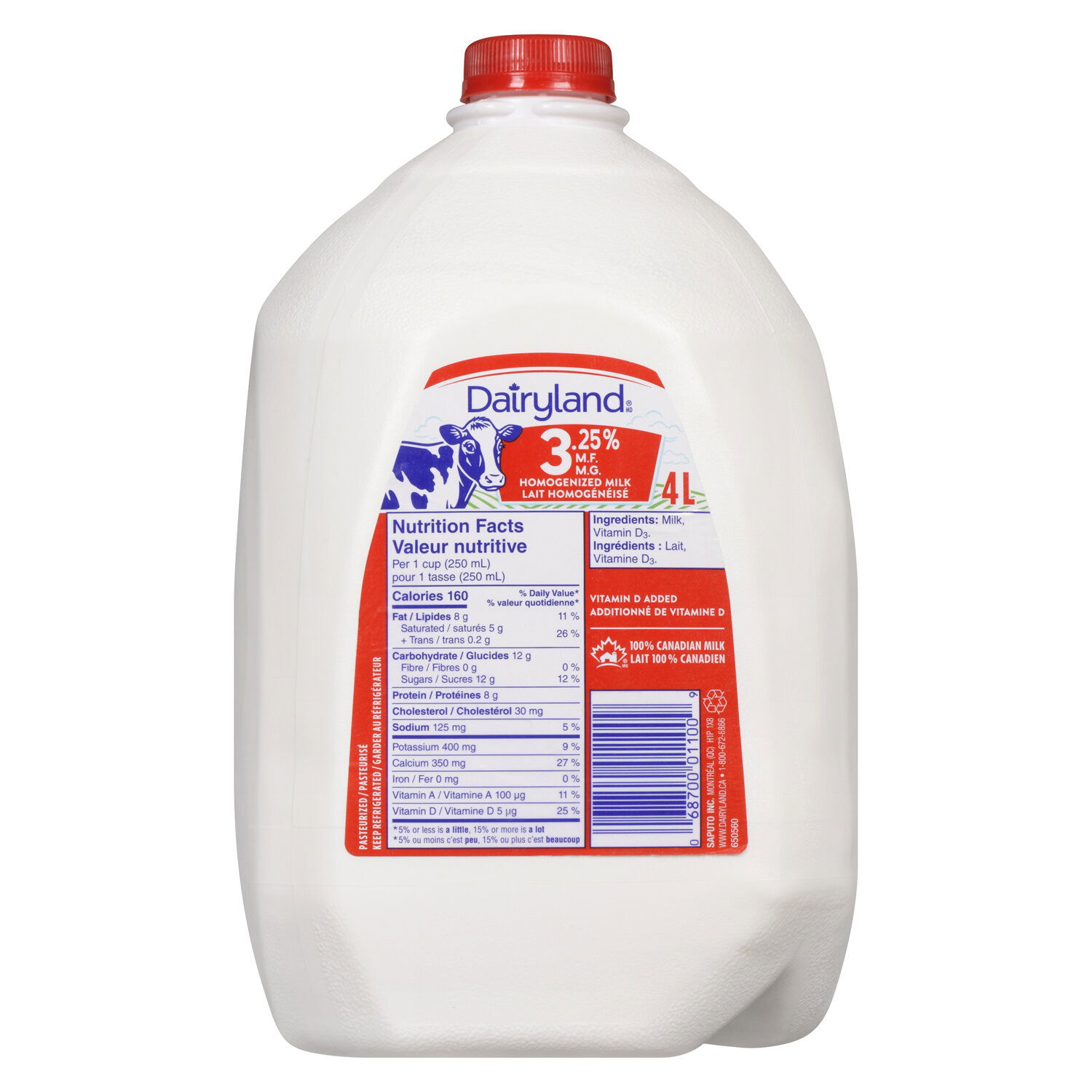
At a glance
Summary
This product is ultra-processed, which limits its potential health score. It contains refined sugar, which contributes empty calories and can lead to metabolic issues if consumed excessively. Additionally, the presence of carrageenan, a controversial additive linked to digestive concerns, further impacts its health rating. Despite these factors, the use of milk provides some nutritional benefits, such as protein and essential nutrients.
Key ingredients 8
MilkGood
Milk is a good source of high-quality protein and essential nutrients like calcium and vitamin D. It is minimally processed and provides a balanced nutrient profile. The use of milk in this product supports muscle recovery and bone health.
Risks
Lactose intolerance can be a concern for some individuals consuming milk.
Benefits
Provides essential nutrients such as calcium and vitamin D, which are important for bone health. Contains high-quality protein that supports muscle repair and growth.
CocoaGood
Beneficial ingredient — whole-food or functional value in this product class.
Benefits
Contains antioxidants that may support heart health and reduce inflammation.
Milk proteinsNeutral
Milk proteins are a source of essential amino acids necessary for muscle repair. They are derived from milk and are generally well-absorbed by the body. However, they do not provide additional benefits beyond those of whole milk.
Risks
Potential allergen for individuals with milk protein allergies.
Benefits
Supports muscle repair and growth due to its complete amino acid profile.
Sodium citratesNeutral
Sodium citrates are used as acidity regulators in food products. They are generally recognized as safe and help maintain the stability of the product. Their impact on health is neutral as they do not provide significant nutritional benefits.
Benefits
Helps maintain product stability and prevents spoilage.
Mono- and diglycerides of fatty acidsNeutral
These are emulsifiers used to improve texture and consistency in food products. They are derived from natural fats but are processed to some extent. Their impact on health is neutral as they do not provide significant nutritional benefits.
Benefits
Improves texture and consistency of the product.
FlavoringNeutral
Flavoring is used to enhance the taste of the product. It is a broad category that can include natural or artificial components. Without specific details, its impact on health is considered neutral.
Risks
Potential allergen if artificial or unspecified natural flavors are used.
Benefits
Enhances the taste and palatability of the product.
SugarBad
Refined sugar is associated with increased risk of obesity and metabolic disorders. It is a highly processed ingredient that provides empty calories without nutritional benefits. Excessive consumption can lead to health issues such as insulin resistance.
Risks
High intake of refined sugar can contribute to obesity, type 2 diabetes, and dental cavities.
CarrageenanBad
Carrageenan is a food additive used as a stabilizer and thickener. It is derived from red seaweed but has been linked to digestive issues in some individuals. Its use in processed foods is controversial due to potential inflammatory effects.
Risks
May cause digestive discomfort and inflammation in sensitive individuals.
Processing
Ultra-Processed Foods
Get the full breakdown in the Scout appTake Scout shopping
Scan any product to see lab results, healthy alternatives, and your personalized analysis.
Download on theApp Store GET IT ONGoogle Play