
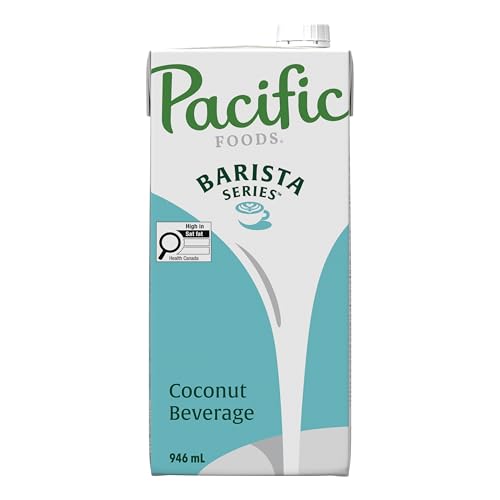

Pacific Foods Coconut Milk
Analysis updated August 2026 · How Scout scores
At a glance
Summary
This coconut milk is ultra-processed, which limits its potential health score. While it contains beneficial ingredients like coconut cream and sea salt, it also includes refined cane sugar and several additives such as carrageenan and sodium hydroxide, which can be concerning for health. The presence of these additives and the level of processing contribute to a lower score despite some positive aspects.
Key ingredients 11
Coconut creamGood
Coconut cream is a source of healthy fats, particularly medium-chain triglycerides (MCTs), which can provide quick energy. It is minimally processed and retains some of the natural nutrients found in coconuts. The creaminess enhances the texture and flavor of the product.
Risks
High in saturated fats, which may be a concern for individuals with specific dietary restrictions.
Benefits
Rich in MCTs that can support energy metabolism and may have antimicrobial properties.
Sea saltGood
Sea salt is a minimally processed salt that contains trace minerals beneficial for health. It is used to enhance flavor and provide essential sodium. Unlike refined table salt, it retains some natural minerals.
Risks
Excessive sodium intake can lead to hypertension and cardiovascular issues.
Benefits
Provides essential sodium and trace minerals that support electrolyte balance.
WaterNeutral
Water is a neutral ingredient that serves as a base for many liquid products. It is essential for hydration but does not provide additional nutritional benefits. In this product, it acts as a solvent for other ingredients.
See more about Water →Gellan gumNeutral
Gellan gum is a gelling agent used to stabilize and thicken products. It is produced through bacterial fermentation and is generally considered safe. It helps maintain the consistency of the product.
See more about Gellan gum →Potassium citrateNeutral
Potassium citrate is used as an acidity regulator and can help maintain the pH balance of the product. It is a salt of citric acid and provides potassium, an essential mineral. It is generally recognized as safe when used in food products.
Benefits
Provides potassium, which is important for maintaining electrolyte balance and proper muscle function.
Sodium citrateNeutral
Sodium citrate is used as an emulsifier and acidity regulator in food products. It is a salt of citric acid and helps maintain the stability of the product. It is generally recognized as safe and does not pose significant health risks.
See more about Sodium citrate →Xanthan gumNeutral
Xanthan gum is a polysaccharide used as a thickening and stabilizing agent. It is produced through fermentation and is widely used in food products. It helps improve the texture and consistency of the product.
See more about Xanthan gum →Sodium hydroxideNeutral
Standard formulation ingredient — neither beneficial nor harmful at typical use.
Risks
Potentially caustic if not properly neutralized, but generally safe in regulated amounts.
Cane sugarBad
Cane sugar is a refined sugar that can contribute to increased calorie intake without providing essential nutrients. It is processed to remove impurities, resulting in a high glycemic index. Excessive consumption can lead to health issues such as obesity and diabetes.
Risks
High sugar intake is associated with increased risk of obesity, type 2 diabetes, and dental cavities.
CarrageenanBad
Carrageenan is a thickening agent derived from red seaweed, often used to improve texture. It is processed to extract the polysaccharides, which can cause digestive issues in some individuals. There is controversy over its potential inflammatory effects.
Risks
May cause digestive discomfort and has been linked to inflammation in some studies.
Natural flavourBad
Natural flavour is a vague term that can encompass a wide range of substances derived from natural sources. It is often used to enhance taste but lacks transparency about its specific components. The lack of specificity can be concerning for those with allergies or sensitivities.
Risks
Potential allergen risk due to unspecified components.
Processing
Ultra-Processed Foods
Get the full breakdown in the Scout appTake Scout shopping
Scan any product to see lab results, healthy alternatives, and your personalized analysis.
Download on theApp Store GET IT ONGoogle PlayAmazon pricing & content
Amazon price as of . Product prices and availability are accurate as of the date/time indicated and are subject to change. Any price and availability information displayed on Amazon.com at the time of purchase will apply to the purchase of this product.
CERTAIN CONTENT THAT APPEARS ON THIS SITE COMES FROM AMAZON. THIS CONTENT IS PROVIDED “AS IS” AND IS SUBJECT TO CHANGE OR REMOVAL AT ANY TIME.