




At a glance
Summary
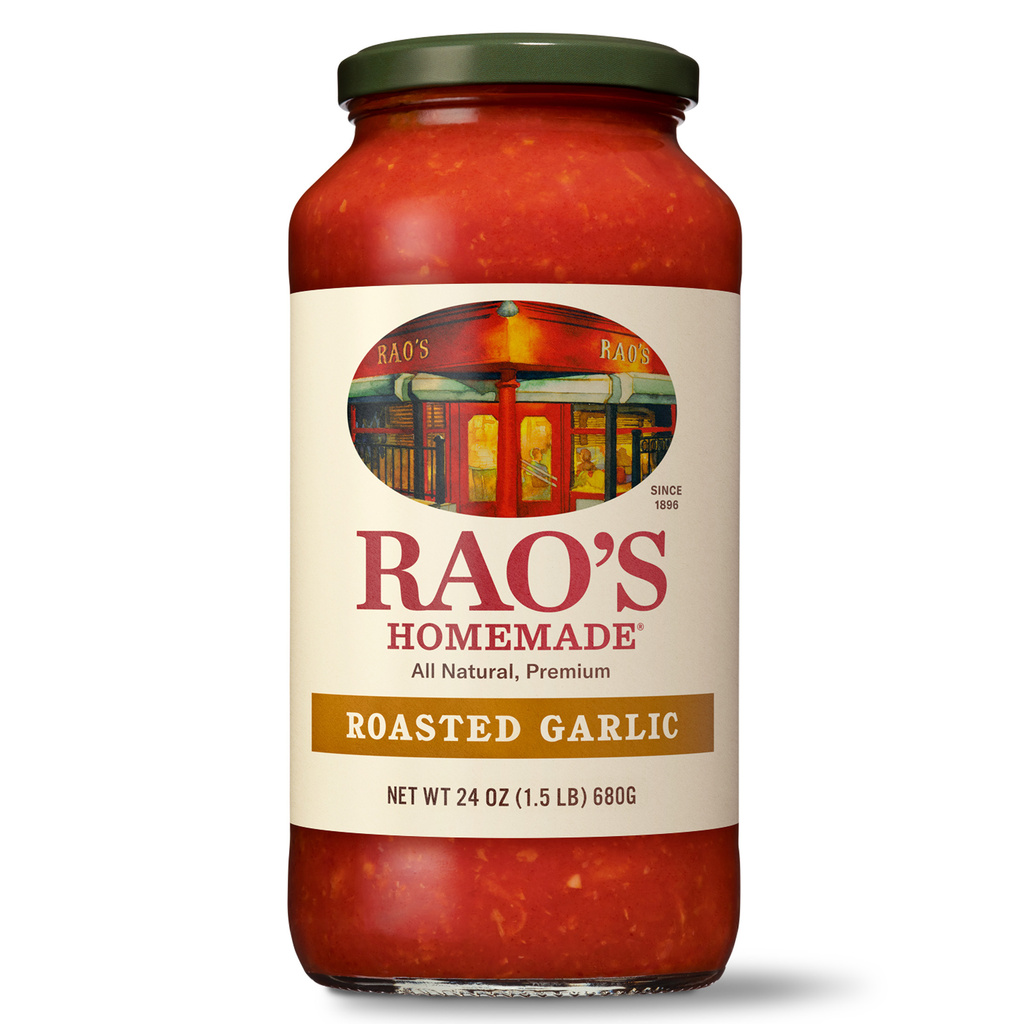
This product features a clean ingredient list with beneficial components such as roasted garlic, dried garlic, and extra virgin olive oil, which contribute to its health benefits. The processing level is moderate, but the absence of harmful additives and the use of high-quality ingredients like extra virgin olive oil support a favorable score. The presence of citric acid as an acidity regulator is minimal and does not significantly impact the overall healthiness of the product.
Key ingredients 10
Extra virgin olive oilVery Good
Extra virgin olive oil is a high-quality monounsaturated fat with anti-inflammatory properties. It contains antioxidants that support heart health and is extracted through cold-pressing, preserving beneficial compounds. It is a staple in the Mediterranean diet, known for its health benefits.
Benefits
Rich in monounsaturated fats that support heart health and provide anti-inflammatory properties. Contains antioxidants like vitamin E and polyphenols that may reduce oxidative stress.
Roasted garlicGood
Roasted garlic enhances flavor and provides health benefits such as improved heart health and immune support. The roasting process can enhance its natural sweetness and reduce pungency. It retains beneficial compounds like allicin, which has antimicrobial properties.
Benefits
Contains allicin, which may support cardiovascular health and has antimicrobial effects.
Dried garlicGood
Dried garlic is a concentrated form of garlic that retains many of its health benefits, including potential cardiovascular and immune support. The drying process preserves its active compounds, making it a convenient and potent ingredient. It is widely used for its flavor and health-promoting properties.
Benefits
Rich in allicin, which may support heart health and has antimicrobial properties.
Sea saltGood
Sea salt is a natural source of sodium and trace minerals, offering a more complex flavor profile than refined salt. It is minimally processed, retaining its mineral content. Sea salt can enhance the flavor of dishes while providing essential electrolytes.
Risks
Excessive consumption can lead to high blood pressure and other health issues.
Benefits
Provides essential electrolytes and trace minerals that support hydration and nerve function.
ParsleyGood
Beneficial ingredient — whole-food or functional value in this product class.
Benefits
Provides small amounts of vitamins A, C, and K, which support various bodily functions.
Tomato puréeNeutral
Tomato purée is a concentrated form of tomatoes, providing a rich source of lycopene and vitamin C. It is typically processed through cooking and straining, which can reduce some nutrient content. However, it remains a staple in many healthy diets due to its flavor and nutrient profile.
Benefits
Provides lycopene, an antioxidant linked to reduced risk of certain diseases, and vitamin C, which supports immune function.
Diced tomatoes in tomato juiceNeutral
Diced tomatoes in tomato juice offer a fresh tomato flavor and are a source of vitamins A and C. The canning process may reduce some vitamin content but preserves the tomatoes for extended use. They are a versatile ingredient in many dishes.
Benefits
Rich in vitamins A and C, supporting vision and immune health.
Dried onionsNeutral
Dried onions are a convenient form of onions that retain much of their flavor and some nutritional benefits. The drying process concentrates their flavor but may reduce some vitamin content. They are commonly used in cooking for their flavor-enhancing properties.
Benefits
Adds flavor and some antioxidants, though less than fresh onions.
OreganoNeutral
Oregano is a herb known for its aromatic flavor and potential antioxidant properties. It contains compounds like thymol and carvacrol, which may have antimicrobial effects. Used in small amounts, it primarily enhances flavor rather than providing significant nutritional benefits.
Benefits
Contains antioxidants and compounds that may have antimicrobial properties.
Citric acidNeutral
Citric acid is a natural acidity regulator and preservative commonly used in food products. It is generally recognized as safe and helps maintain the stability and flavor of foods. While it is naturally found in citrus fruits, in processed foods, it is often synthesized.
Benefits
Helps preserve food and maintain flavor stability.
Processing
Processed Foods
Get the full breakdown in the Scout appTake Scout shopping
Scan any product to see lab results, healthy alternatives, and your personalized analysis.
Download on theApp Store GET IT ONGoogle Play