


At a glance
Summary
This relish contains a clean ingredient list with cucumbers, vinegar, and various spices, which are minimally processed and provide potential health benefits. The use of natural ingredients like garlic, dill, and mustard seed enhances flavor without artificial additives. Despite being a processed food, the absence of harmful ingredients such as seed oils or artificial preservatives supports a higher score within its category.
Key ingredients 11
CucumberGood
Cucumbers are low in calories and provide hydration due to their high water content. They contain antioxidants and some vitamins, contributing to overall health. Minimal processing retains their nutritional benefits.
Benefits
Provides hydration and contains antioxidants that may help reduce inflammation.
VinegarGood
Vinegar is known for its potential antimicrobial properties and ability to enhance flavor. It may aid digestion and help stabilize blood sugar levels. The fermentation process can provide beneficial acetic acid.
Risks
Excessive consumption may lead to enamel erosion or digestive discomfort.
Benefits
May aid in digestion and help stabilize blood sugar levels.
Sea SaltGood
Sea salt is a minimally processed source of sodium and trace minerals. It enhances flavor without the additives found in refined salts. Its natural mineral content can be beneficial in moderation.
Risks
Excessive sodium intake can lead to high blood pressure and cardiovascular issues.
Benefits
Provides essential sodium and trace minerals that support various bodily functions.
GarlicGood
Garlic is known for its potential health benefits, including antimicrobial and anti-inflammatory properties. It contains compounds like allicin that may support heart health. Its use in cooking enhances flavor and nutritional value.
Risks
May cause digestive discomfort in some individuals when consumed in large amounts.
Benefits
Contains compounds that may support heart health and provide antimicrobial benefits.
DillGood
Dill is an herb that provides flavor and potential antioxidant benefits. It contains vitamins and minerals that contribute to overall health. Its use in foods can enhance flavor without adding calories.
Benefits
Provides antioxidants and enhances flavor without adding calories.
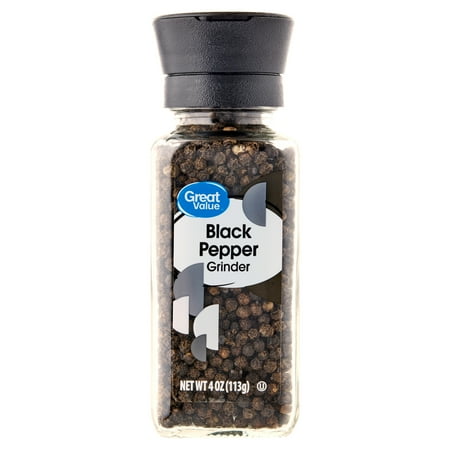
PepperGood
Pepper is a spice that adds flavor and may have antioxidant properties. It contains piperine, which can enhance nutrient absorption. Its use in cooking can improve the taste and nutritional profile of dishes.
Risks
Excessive consumption may cause digestive irritation.
Benefits
Enhances flavor and may improve nutrient absorption due to piperine content.
Mustard SeedGood
Mustard seeds are rich in phytonutrients and may have anti-inflammatory properties. They provide flavor and can contribute to heart health. Their use in foods adds nutritional value and complexity to flavors.
Risks
May cause allergic reactions in sensitive individuals.
Benefits
Rich in phytonutrients and may support heart health.
Celery SeedGood
Celery seeds are known for their potential anti-inflammatory and diuretic properties. They contain essential oils and antioxidants that may support health. Their inclusion in foods can enhance flavor and provide health benefits.
Risks
May cause allergic reactions in some individuals.
Benefits
Contains antioxidants and may have anti-inflammatory properties.
CorianderGood
Coriander is an herb that provides flavor and potential health benefits, including digestive support. It contains antioxidants and essential oils that may promote health. Its use in foods enhances flavor and nutritional value.
Benefits
Provides antioxidants and may support digestive health.
WaterNeutral
Water is a neutral ingredient used as a solvent and to adjust consistency. It does not contribute significant nutritional value. It is essential for hydration but does not add calories or nutrients.
Benefits
Essential for hydration and maintaining the desired consistency of the product.
Cane SugarBad
Processed additive flagged under Scout's ingredient doctrine.
Risks
High intake can contribute to obesity, diabetes, and other metabolic disorders.
Benefits
Provides quick energy and enhances the sweetness of the product.
Processing
Processed Foods
Get the full breakdown in the Scout appTake Scout shopping
Scan any product to see lab results, healthy alternatives, and your personalized analysis.
Download on theApp Store GET IT ONGoogle Play