



At a glance
Summary
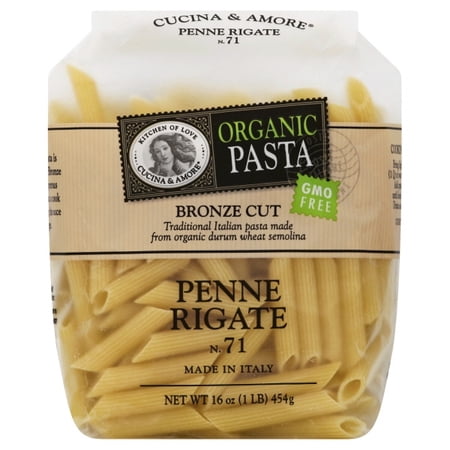
This pasta is made primarily from semolina, a minimally processed ingredient that retains its natural nutrients, providing a good source of energy and essential nutrients. The product is enriched with vitamins and minerals like niacin and iron, which enhance its nutritional profile. Its low processing level and absence of harmful additives contribute to its high rating.
Key ingredients 6
SemolinaGood
Semolina is a high-quality wheat product rich in protein and fiber. It is minimally processed, retaining most of its natural nutrients. It provides a good source of energy and essential nutrients for a balanced diet.
Benefits
Rich in protein and fiber, which support digestive health and provide sustained energy.
NiacinGood
Beneficial ingredient — whole-food or functional value in this product class.
Benefits
Supports energy metabolism and helps maintain healthy skin.
RiboflavinGood
Essential B vitamin — beneficial micronutrient.
Benefits
Supports energy production and cellular function.
Ferrous sulfateNeutral
Ferrous sulfate is a form of iron used to prevent or treat iron deficiency anemia. It is commonly added to fortified foods to enhance nutritional value. While beneficial for iron levels, it is neutral in terms of overall health impact in fortified foods.
Risks
Excessive intake may cause gastrointestinal discomfort or iron overload.
Benefits
Helps prevent iron deficiency anemia and supports oxygen transport in the body.
Thiamin mononitrateNeutral
Thiamin mononitrate is a synthetic form of vitamin B1, essential for carbohydrate metabolism and nerve function. It is added to foods to prevent deficiencies. While beneficial for preventing deficiencies, it is neutral in terms of direct health impact in fortified foods.
Benefits
Supports carbohydrate metabolism and nerve function.
Folic acidNeutral
Folic acid is a synthetic form of vitamin B9, crucial for DNA synthesis and cell division. It is added to foods to prevent neural tube defects in pregnancy. While beneficial for fetal development, it is neutral in terms of direct health impact in fortified foods.
Risks
Excessive intake may mask vitamin B12 deficiency symptoms.
Benefits
Essential for DNA synthesis and preventing neural tube defects during pregnancy.
Processing
Unprocessed or Minimally Processed Foods
Get the full breakdown in the Scout appTake Scout shopping
Scan any product to see lab results, healthy alternatives, and your personalized analysis.
Download on theApp Store GET IT ONGoogle Play