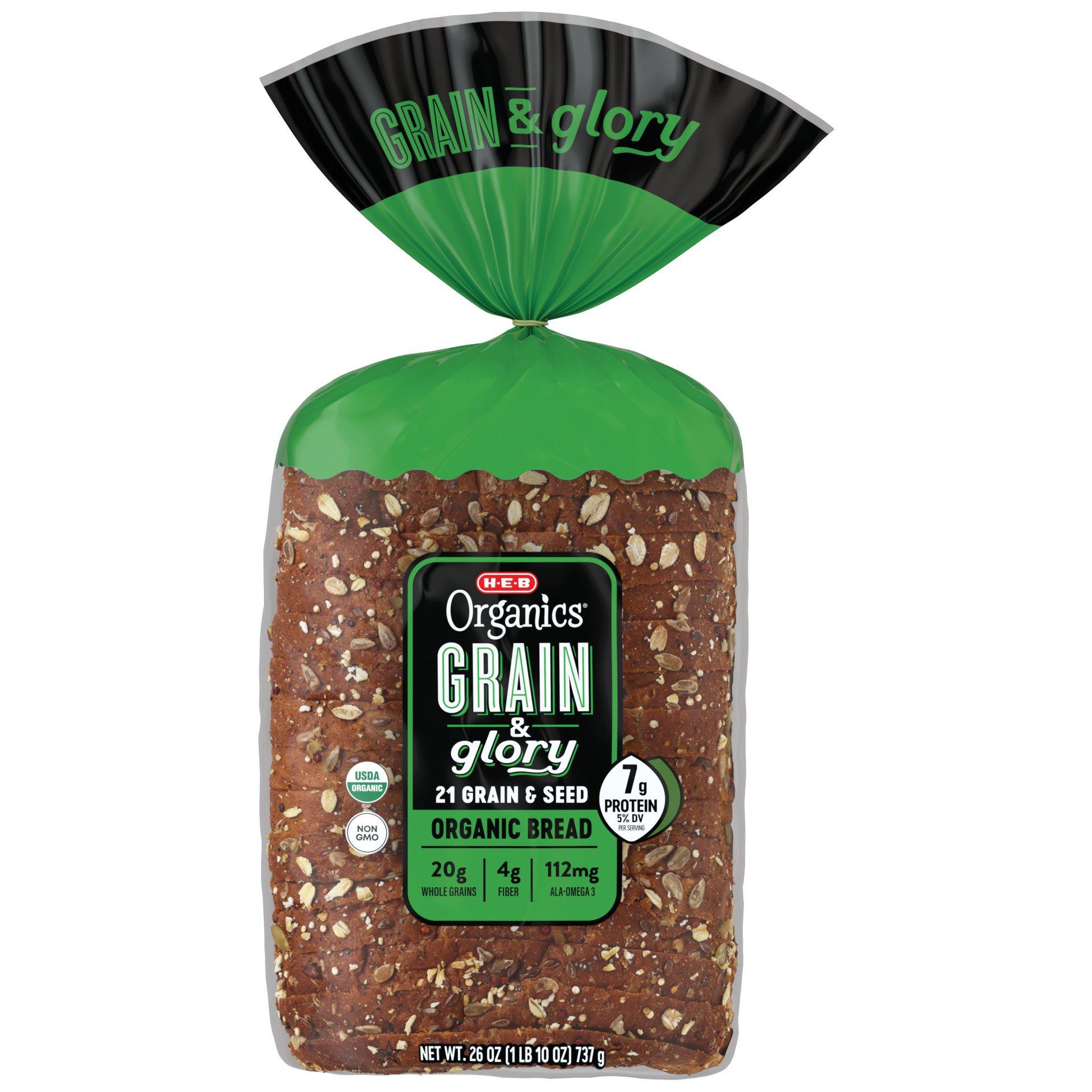
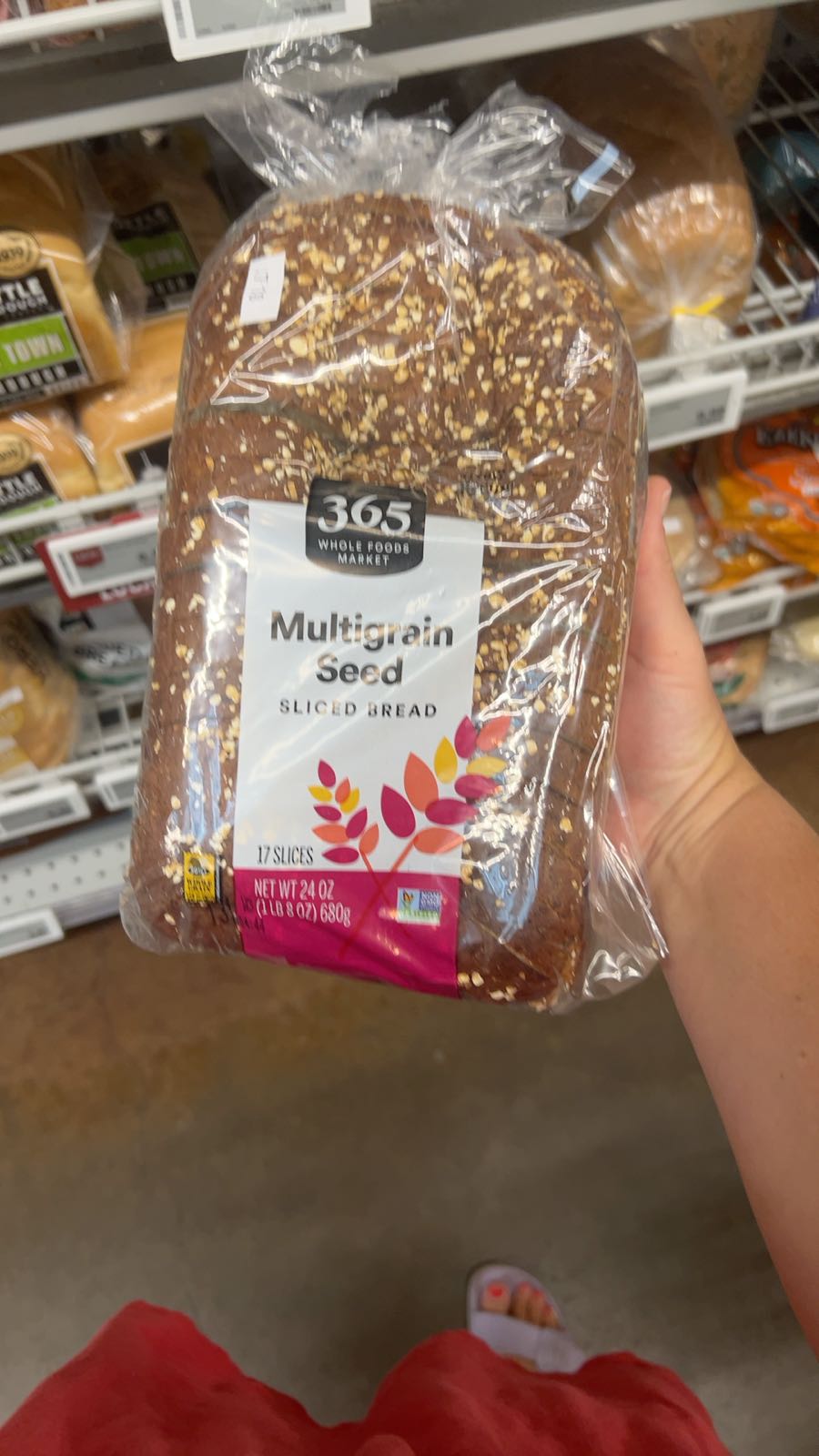
Organic super seed

At a glance
Summary
This bread contains a variety of organic whole grains and seeds, which contribute beneficial nutrients and fiber. However, the presence of organic canola oil, a seed oil high in omega-6 fatty acids, is a concern due to its potential inflammatory effects. The product is processed, which limits its score despite the overall clean ingredient list.
Key ingredients 22
Organic flaxseedsVery Good
Organic flaxseeds are rich in omega-3 fatty acids, fiber, and lignans, which have numerous health benefits. They are organic, ensuring no synthetic pesticides or fertilizers are used. They support heart health and have anti-inflammatory properties.
Benefits
Rich in omega-3 fatty acids and fiber, supporting heart health and providing anti-inflammatory benefits.
Organic oatsVery Good
Organic oats are a whole grain rich in fiber, particularly beta-glucan, which supports heart health. They are organic, ensuring no synthetic pesticides or fertilizers are used. They provide sustained energy and support digestive health.
Benefits
Rich in fiber and beta-glucan, supporting heart health and providing sustained energy.
Organic pumpkin seedsVery Good
Organic pumpkin seeds are rich in healthy fats, protein, and minerals like zinc and magnesium. They are organic, ensuring no synthetic pesticides or fertilizers are used. They support immune function and provide antioxidant benefits.
Benefits
Rich in healthy fats, protein, and minerals, supporting immune function and providing antioxidant benefits.
Organic whole wheat flourGood
Organic whole wheat flour is a whole grain flour that retains the bran and germ, providing more fiber and nutrients than refined flour. It is organic, ensuring no synthetic pesticides or fertilizers are used. It supports digestive health due to its fiber content.
Risks
May cause allergic reactions in individuals with gluten intolerance or celiac disease.
Benefits
Rich in dietary fiber, vitamins, and minerals, supporting digestive health and providing sustained energy.
Organic cracked wheatGood
Organic cracked wheat is a minimally processed whole grain that retains its nutritional profile. It is a good source of fiber and essential nutrients. Being organic, it is free from synthetic chemicals.
Risks
May cause allergic reactions in individuals with gluten intolerance or celiac disease.
Benefits
Provides dietary fiber and essential nutrients, promoting digestive health and satiety.
Organic sunflower seedsGood
Organic sunflower seeds are a good source of healthy fats, protein, and vitamin E. They are organic, ensuring no synthetic pesticides or fertilizers are used. They support heart health and provide antioxidant benefits.
Benefits
Rich in healthy fats, protein, and vitamin E, supporting heart health and providing antioxidant benefits.
Organic white sesame seedsGood
Organic white sesame seeds are rich in healthy fats, protein, and minerals like calcium and magnesium. They are organic, ensuring no synthetic pesticides or fertilizers are used. They support bone health and provide antioxidant benefits.
Benefits
Rich in healthy fats, protein, and minerals, supporting bone health and providing antioxidant benefits.
Sea saltGood
Sea salt is a minimally processed salt that contains trace minerals. It is a natural source of sodium and enhances flavor in foods. It is considered a healthier alternative to refined table salt.
Risks
Excessive consumption may contribute to high blood pressure.
Benefits
Provides trace minerals and enhances flavor in foods.
Organic black sesame seedsGood
Organic black sesame seeds are rich in healthy fats, protein, and antioxidants. They are organic, ensuring no synthetic pesticides or fertilizers are used. They support heart health and provide antioxidant benefits.
Benefits
Rich in healthy fats, protein, and antioxidants, supporting heart health and providing antioxidant benefits.
Organic vinegarGood
Beneficial ingredient — whole-food or functional value in this product class.
Benefits
Acts as a natural preservative and flavor enhancer.
Organic milletGood
Organic millet is a whole grain rich in fiber, protein, and essential nutrients. It is organic, ensuring no synthetic pesticides or fertilizers are used. It supports digestive health and provides sustained energy.
Benefits
Rich in fiber, protein, and essential nutrients, supporting digestive health and providing sustained energy.
Organic poppy seedsGood
Organic poppy seeds are rich in healthy fats, protein, and minerals like calcium and magnesium. They are organic, ensuring no synthetic pesticides or fertilizers are used. They support bone health and provide antioxidant benefits.
Benefits
Rich in healthy fats, protein, and minerals, supporting bone health and providing antioxidant benefits.
Organic barley flakesGood
Organic barley flakes are a whole grain rich in fiber and essential nutrients. They are organic, ensuring no synthetic pesticides or fertilizers are used. They support heart health and provide sustained energy.
Risks
May cause allergic reactions in individuals with gluten intolerance or celiac disease.
Benefits
Rich in fiber and essential nutrients, supporting heart health and providing sustained energy.
Organic rye flakesGood
Organic rye flakes are a whole grain rich in fiber and essential nutrients. They are organic, ensuring no synthetic pesticides or fertilizers are used. They support digestive health and provide sustained energy.
Risks
May cause allergic reactions in individuals with gluten intolerance or celiac disease.
Benefits
Rich in fiber and essential nutrients, supporting digestive health and providing sustained energy.
Ascorbic acidGood
Vitamin C — beneficial even when serving as a preservative.
Benefits
Acts as a dough conditioner and preservative, improving dough strength and shelf life.
Organic wheat flourNeutral
Organic wheat flour is a staple ingredient in many baked goods. It provides carbohydrates and some protein but lacks significant micronutrients. Being organic, it is free from synthetic pesticides and fertilizers.
Risks
May cause allergic reactions in individuals with gluten intolerance or celiac disease.
Benefits
Provides energy through carbohydrates and some protein content.
WaterNeutral
Water is a fundamental ingredient in baking, providing moisture and aiding in the mixing process. It has no nutritional value but is essential for dough formation. It is a neutral ingredient with no health risks.
Benefits
Essential for hydration and dough consistency.
YeastNeutral
Yeast is a microorganism used in baking to leaven bread, providing texture and flavor. It is a natural ingredient with no significant health concerns. It is essential for the fermentation process in bread making.
Benefits
Essential for leavening bread and providing texture and flavor.
Organic wheat glutenNeutral
Organic wheat gluten is a protein derived from wheat, used to improve dough elasticity and texture. It is organic, ensuring no synthetic pesticides or fertilizers are used. It is a neutral ingredient with no significant health concerns for most people.
Risks
May cause allergic reactions in individuals with gluten intolerance or celiac disease.
Benefits
Improves dough elasticity and texture in baked goods.
Organic corn mealNeutral
Organic corn meal is a ground product of corn, providing carbohydrates and some fiber. It is organic, ensuring no synthetic pesticides or fertilizers are used. It is a neutral ingredient with no significant health concerns.
Benefits
Provides carbohydrates and some fiber, contributing to energy intake.
Natural enzymesNeutral
Natural enzymes are used in baking to improve dough texture and fermentation. They are derived from natural sources and have no significant health concerns. They enhance the quality of baked goods.
Benefits
Improve dough texture and fermentation in baked goods.
Organic canola oilVery Bad
Organic canola oil is a seed oil high in omega-6 fatty acids, which can promote inflammation when consumed in excess. Despite being organic, it is still highly processed and not recommended for regular consumption. It is considered a poor choice compared to healthier fats like olive oil.
Risks
High omega-6 content may promote inflammation when consumed in excess.
Processing
Processed Foods
Get the full breakdown in the Scout appTake Scout shopping
Scan any product to see lab results, healthy alternatives, and your personalized analysis.