
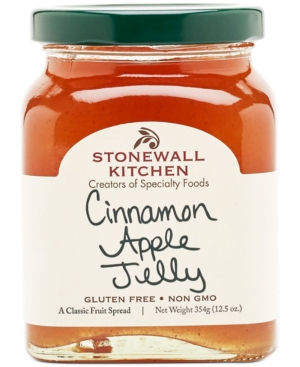
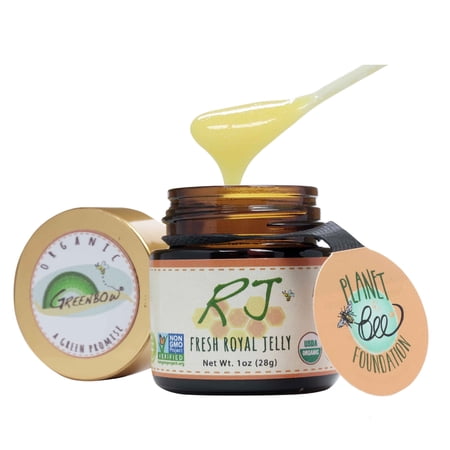

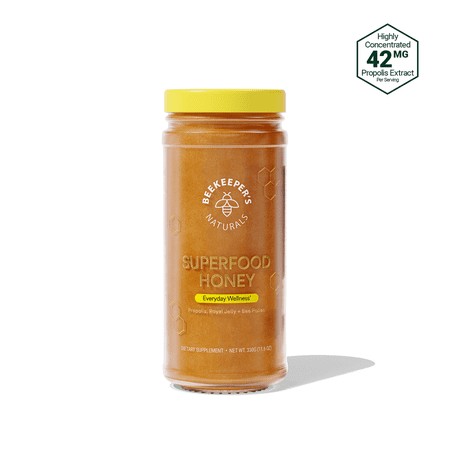
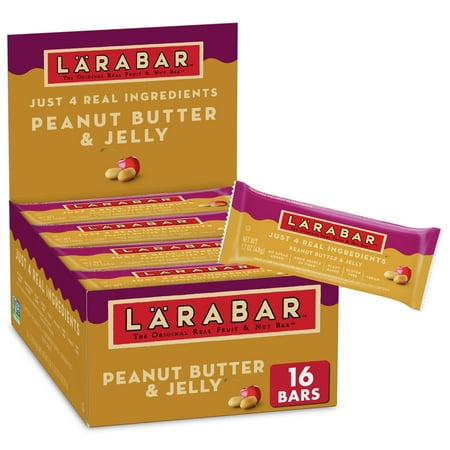
Stonewall Kitchen Cinnamon Apple Jelly 12.5 oz (354 g)
Analysis updated September 2026 · How Scout scores
At a glance
Summary
This cinnamon apple jelly is a processed food with a high sugar content, primarily from refined cane sugar, which is linked to health issues like obesity and diabetes. While it contains beneficial ingredients like apples, the overall processing level and the presence of added sugars limit its healthiness. The product's ingredient list is relatively clean, but the high sugar concentration and processing level prevent a higher score.
Key ingredients 7
ApplesGood
Apples are a natural source of fiber and vitamin C, contributing to overall health. They are minimally processed and retain most of their nutritional value. The presence of antioxidants in apples can support heart health.
Benefits
Rich in dietary fiber and vitamin C, which support digestive health and immune function.
Fruit pectinNeutral
Fruit pectin is a natural gelling agent derived from fruits, commonly used in jams and jellies. It is minimally processed and does not contribute significant calories or nutrients. It helps in achieving the desired texture in jelly products.
Benefits
Provides a natural source of soluble fiber, which can aid in digestion.
WaterNeutral
Water is used as a solvent and does not contribute any calories or nutrients. It is essential for the consistency and texture of the jelly. Being a universal solvent, it helps in dissolving other ingredients.
See more about Water →Apple juice concentrateNeutral
Apple juice concentrate is a processed form of apple juice, used to enhance flavor and sweetness. It retains some nutrients from apples but is higher in sugar content. The concentration process reduces water content, intensifying the natural sugars.
Risks
High sugar content can contribute to increased calorie intake and potential blood sugar spikes.
Benefits
Provides some vitamins and antioxidants found in apples, though in reduced amounts.
BrandyNeutral
Brandy is used for flavoring and adds a distinct taste to the jelly. It is an alcoholic beverage that is distilled and aged, contributing to the complexity of flavors. The alcohol content is typically reduced during cooking.
Risks
Excessive alcohol consumption can have negative health effects, but the amount in this product is minimal.
Benefits
Adds unique flavor notes to the product, enhancing its taste profile.
LemonNeutral
Lemon is used for its acidic properties, which help in setting the jelly and enhancing flavor. It is a natural source of vitamin C and antioxidants. The acidity also acts as a natural preservative.
Benefits
Provides vitamin C and enhances the flavor profile of the jelly.
Pure cane sugarBad
Refined sugar is associated with negative health impacts such as increased risk of obesity and diabetes. It is a highly processed ingredient with no nutritional benefits. Excessive consumption can lead to metabolic issues and dental problems.
Risks
High intake of refined sugar can contribute to obesity, type 2 diabetes, and heart disease.
Processing
Processed Foods
Get the full breakdown in the Scout appTake Scout shopping
Scan any product to see lab results, healthy alternatives, and your personalized analysis.
Download on theApp Store GET IT ONGoogle Play