


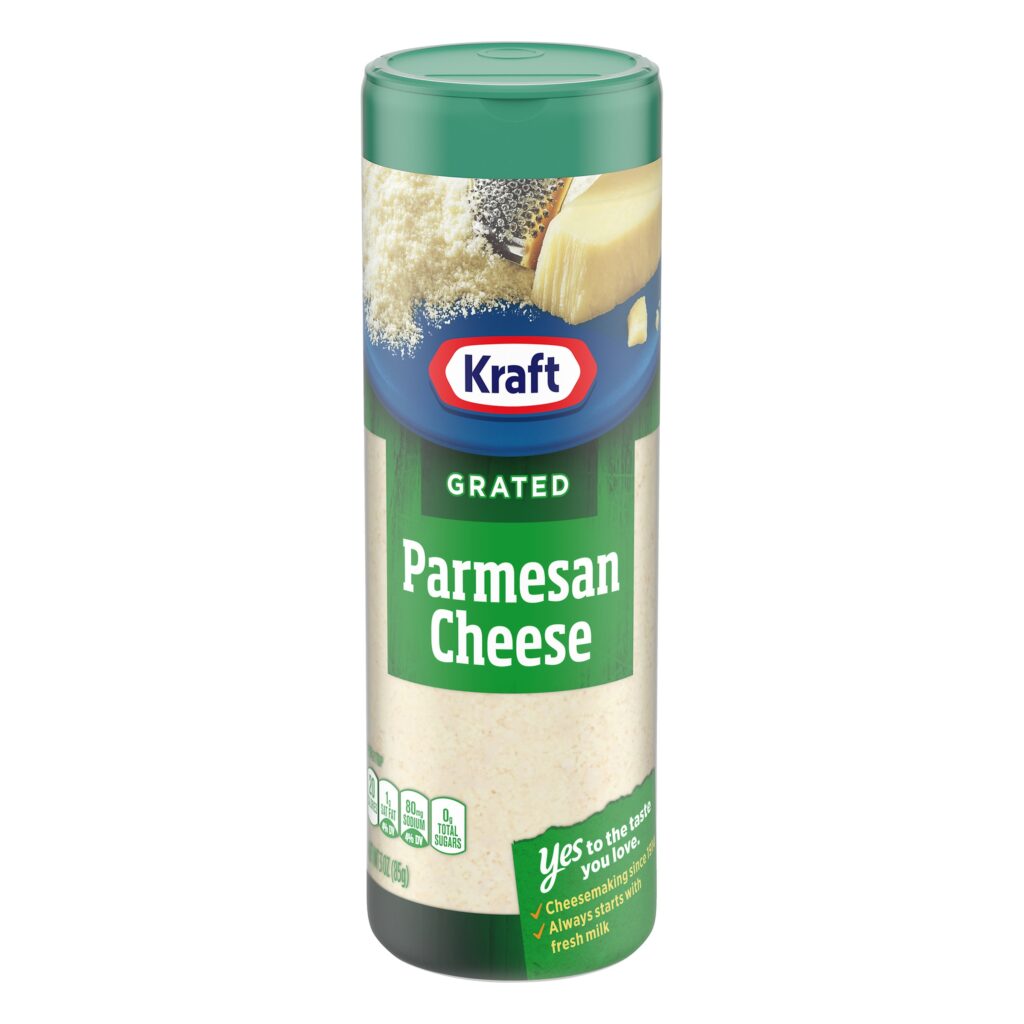
At a glance
Summary
This product features a blend of cheeses and tomato-based ingredients, which are generally nutritious and provide beneficial nutrients like protein, calcium, and antioxidants. The inclusion of olive oil adds healthy fats, enhancing the product's nutritional profile. However, the presence of refined sugar and the processed nature of the product slightly reduce its overall healthiness, despite the clean ingredient list.
Key ingredients 15
Olive oilVery Good
Olive oil is a high-quality monounsaturated fat with anti-inflammatory properties. It contains antioxidants that support heart health. Cold-pressed extraction preserves beneficial compounds.
Benefits
Rich in monounsaturated fats that support heart health and provide anti-inflammatory properties. Contains antioxidants like vitamin E and polyphenols that may reduce oxidative stress.
Tomato pureeGood
Tomato puree is a concentrated source of tomatoes, providing vitamins and antioxidants. It is minimally processed, retaining most of the nutritional benefits of fresh tomatoes. The puree is a good source of lycopene, which has been linked to various health benefits.
Benefits
Rich in vitamins A and C, and antioxidants like lycopene, which may support heart health and reduce inflammation.
Italian plum tomatoesGood
Italian plum tomatoes are whole peeled tomatoes preserved in juice, maintaining their nutritional integrity. They are a rich source of vitamins and antioxidants. The inclusion of basil and minimal processing enhances flavor without compromising health benefits.
Benefits
Provides vitamins A and C, and antioxidants that support immune function and reduce oxidative stress.
OnionsGood
Onions are a natural source of vitamins, minerals, and antioxidants. They are minimally processed and add flavor and nutritional value to dishes. Onions contain quercetin, a flavonoid with anti-inflammatory properties.
Benefits
Provides vitamins C and B6, and antioxidants that may support heart health and immune function.
Romano cheeseGood
Romano cheese is a cultured dairy product rich in protein and calcium. It is made from high-quality milk and contains beneficial enzymes. The cheese provides essential nutrients and contributes to bone health.
Risks
May contain lactose, which can be a concern for individuals with lactose intolerance.
Benefits
Rich in protein and calcium, supporting bone health and muscle function.
Parmesan cheeseGood
Parmesan cheese is a hard, aged cheese known for its rich flavor and nutritional profile. It is high in protein and calcium, supporting bone health. The aging process enhances its digestibility and flavor.
Risks
Contains lactose, which may be a concern for those with lactose intolerance.
Benefits
Provides high-quality protein and calcium, essential for bone and muscle health.
Asiago cheeseGood
Asiago cheese is a semi-hard cheese with a rich flavor profile. It is a good source of protein and calcium, supporting bone health. The cheese is made from cultured milk, enhancing its nutritional value.
Risks
Contains lactose, which may cause issues for lactose-intolerant individuals.
Benefits
Rich in protein and calcium, contributing to bone strength and muscle maintenance.
Provolone cheeseGood
Provolone cheese is a semi-hard cheese that provides protein and calcium. It is made from cultured milk, offering essential nutrients. The cheese is flavorful and supports bone health.
Risks
Contains lactose, which can be problematic for those with lactose intolerance.
Benefits
Provides protein and calcium, important for maintaining bone density and muscle function.
Pecorino Romano cheeseGood
Pecorino Romano is a hard, salty cheese made from sheep's milk. It is rich in protein and calcium, supporting bone health. The cheese is aged, enhancing its flavor and digestibility.
Risks
Contains lactose, which may be a concern for lactose-intolerant individuals.
Benefits
Provides high-quality protein and calcium, essential for bone health and muscle function.
Ricotta cheeseGood
Ricotta cheese is a soft cheese made from milk and vinegar, providing protein and calcium. It is less processed and retains beneficial nutrients. The cheese is versatile and adds nutritional value to dishes.
Risks
Contains lactose, which can be problematic for those with lactose intolerance.
Benefits
Rich in protein and calcium, supporting bone health and muscle maintenance.
GarlicGood
Garlic is a natural ingredient known for its health-promoting properties. It contains allicin, which has antimicrobial and anti-inflammatory effects. Garlic is minimally processed and enhances flavor and nutrition.
Benefits
Contains compounds that may support immune function and cardiovascular health.
SpicesGood
Spices are natural ingredients that add flavor and nutritional benefits to foods. They are rich in antioxidants and have anti-inflammatory properties. The use of spices enhances the culinary experience and provides health benefits.
Benefits
Rich in antioxidants and compounds that may support health and reduce inflammation.
SaltNeutral
Salt is used as a seasoning and preservative in foods. It is essential for maintaining fluid balance and nerve function. However, excessive intake can lead to health issues.
Risks
High sodium intake may increase the risk of hypertension and cardiovascular diseases.
Benefits
Essential for maintaining electrolyte balance and proper nerve function.
Citric acidNeutral
Citric acid is a natural preservative and flavor enhancer. It is commonly used in food processing to maintain freshness. The compound is generally recognized as safe when used in moderation.
Risks
Excessive consumption may cause gastrointestinal discomfort in sensitive individuals.
Benefits
Helps preserve food and enhance flavor without significant health risks.
SugarBad
Refined sugar is a source of empty calories with no nutritional benefits. It can contribute to weight gain and metabolic issues when consumed in excess. The presence of sugar in processed foods can lead to increased calorie intake.
Risks
Excessive consumption may lead to obesity, type 2 diabetes, and dental issues.
Processing
Processed Foods
Get the full breakdown in the Scout appTake Scout shopping
Scan any product to see lab results, healthy alternatives, and your personalized analysis.
Download on theApp Store GET IT ONGoogle Play