
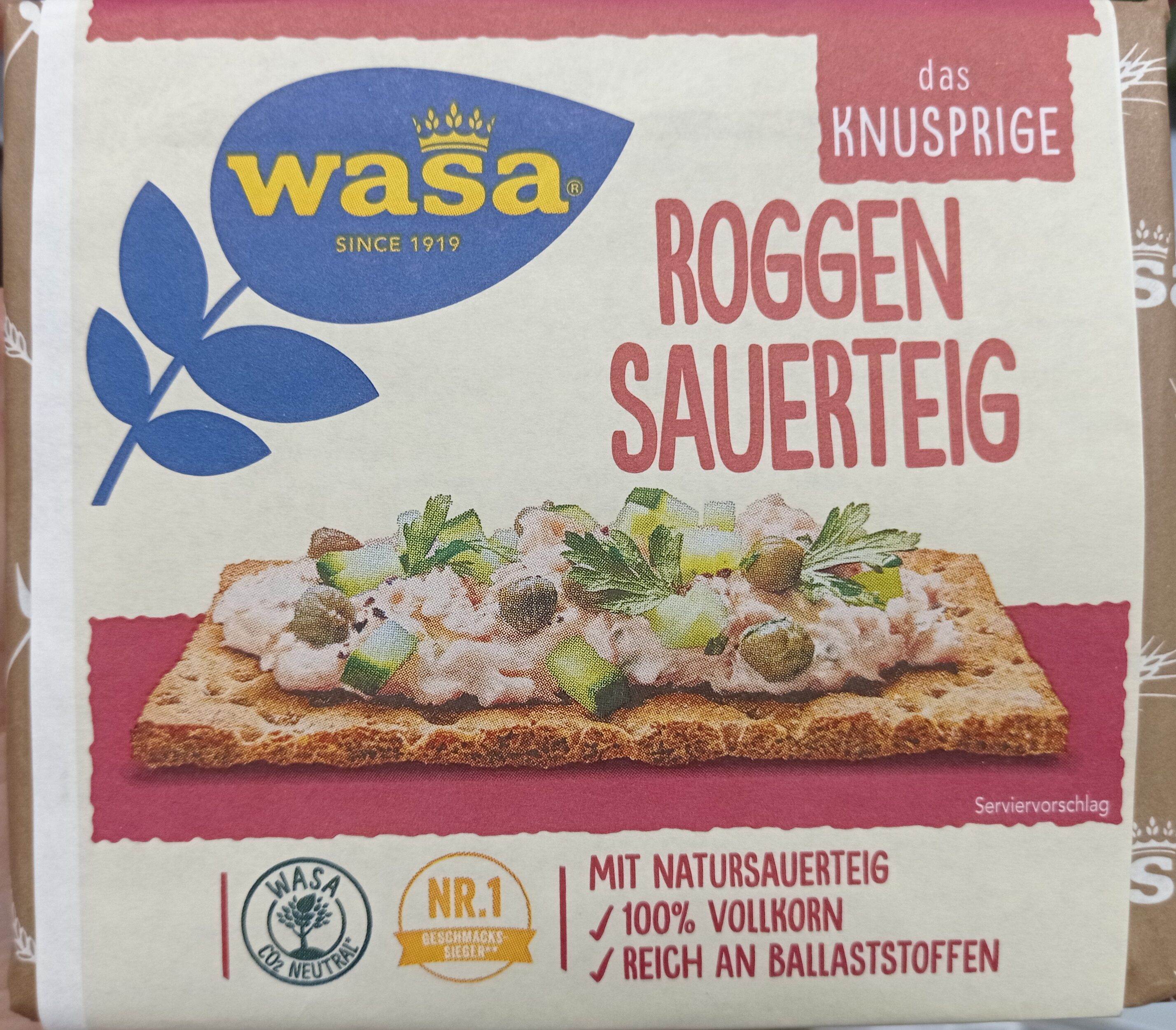


At a glance
Summary
This product is made primarily from whole rye flour, which is a nutrient-dense ingredient providing fiber and essential nutrients. However, it is classified as ultra-processed due to the presence of an emulsifier, which is used to improve texture and shelf life. The processing level limits its score despite the beneficial aspects of its main ingredient.
Key ingredients 6
Whole rye flourGood
Whole rye flour is a nutrient-dense ingredient providing fiber, vitamins, and minerals. It is less processed than refined flours, retaining more of its natural nutrients. This contributes to better digestive health and sustained energy levels.
Benefits
Rich in dietary fiber, which supports digestive health and helps maintain stable blood sugar levels.
Whole rye sourdoughNeutral
Whole rye sourdough is made from whole rye flour and water, undergoing fermentation which can improve digestibility. The fermentation process may enhance nutrient absorption. However, it does not significantly alter the nutritional profile compared to whole rye flour alone.
Benefits
Fermentation can improve the digestibility of grains and may enhance the bioavailability of nutrients.
YeastNeutral
Yeast is used as a leavening agent in bread-making, contributing to the texture and flavor. It is a natural ingredient that aids in the fermentation process. Yeast itself does not provide significant nutritional benefits.
Benefits
Facilitates the fermentation process, contributing to the bread's texture and flavor.
Barley malt extractNeutral
Barley malt extract is used for flavor and color in baked goods. It is a natural sweetener derived from barley, providing a mild sweetness. It does not significantly impact the nutritional profile of the product.
Risks
May contain gluten, which can be a concern for individuals with celiac disease or gluten sensitivity.
Benefits
Adds a natural sweetness and enhances the flavor profile of the bread.
SaltNeutral
Salt is used to enhance flavor and as a preservative in bread. It is a common ingredient in baking, contributing to the overall taste. Excessive consumption of salt can lead to health issues, but moderate use in bread is typical.
Risks
High sodium intake can contribute to hypertension and cardiovascular issues if consumed in excess.
Benefits
Enhances flavor and acts as a preservative in baked goods.
Mono- and Diglycerides of Fatty AcidsBad
Part of Emulsifier. Mono and diglycerides of fatty acids are used as emulsifiers to improve texture and shelf life. They are processed additives that can be derived from both natural and synthetic sources. Their presence indicates a higher level of processing in the product.
Risks
May contain trans fats if not properly processed, which can contribute to cardiovascular disease.
Benefits
Improves texture and extends shelf life of baked goods.
Processing
Ultra-Processed Foods
Get the full breakdown in the Scout appTake Scout shopping
Scan any product to see lab results, healthy alternatives, and your personalized analysis.
Download on theApp Store GET IT ONGoogle Play