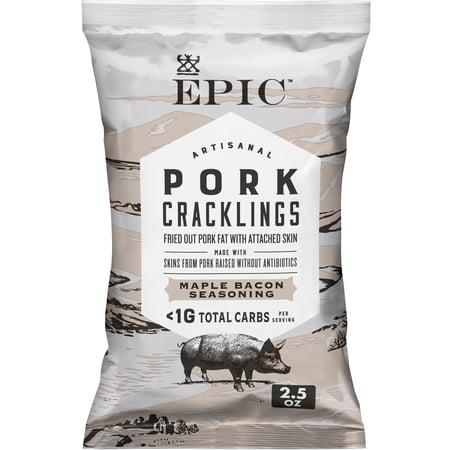
ARTISANAL PORK CRACKLINGS
At a glance
Summary
This product features a relatively clean ingredient list with fried pork skins, salt, and natural sugars like maple and coconut sugar. The absence of seed oils and artificial additives is a positive aspect, but the high sodium content and the processed nature of the product limit its score. While it is less processed than many other snacks, the processing level still imposes a cap on its rating. Its plastic packaging can shed microplastics into the food and lowers its score.
Key ingredients 5
Sea saltGood
Sea salt is a minimally processed salt that retains trace minerals. It is often considered a healthier alternative to refined table salt. The presence of minerals like magnesium and potassium can be beneficial.
Benefits
Provides essential minerals and can enhance the flavor of foods naturally.
Fried pork skinsNeutral
Fried pork skins are a source of protein and fat, commonly used in snacks. They are processed through frying, which can increase the fat content and caloric density. While they provide protein, the frying process may introduce unhealthy fats.
Risks
High in saturated fats, which can contribute to heart disease if consumed in excess.
Benefits
Provides a good source of protein, which is essential for muscle repair and growth.
SaltNeutral
Salt is used as a seasoning and preservative in many foods. It is a refined product that provides sodium, an essential mineral for body function. However, excessive consumption can lead to health issues.
Risks
High sodium intake is associated with increased risk of hypertension and cardiovascular diseases.
Benefits
Essential for maintaining fluid balance and nerve function in the body.
Maple sugarNeutral
Maple sugar is a natural sweetener derived from the sap of maple trees. It is less processed than refined sugars and contains trace minerals. However, it is still a sugar and should be consumed in moderation.
Risks
Excessive sugar intake can lead to weight gain and increased risk of metabolic disorders.
Benefits
Contains trace minerals like zinc and manganese, which are beneficial in small amounts.
Coconut sugarNeutral
Coconut sugar is a natural sweetener made from the sap of coconut palm trees. It has a lower glycemic index compared to refined sugar, but it is still a sugar. It retains some nutrients from the coconut palm.
Risks
Like all sugars, excessive consumption can contribute to obesity and metabolic syndrome.
Benefits
Contains small amounts of nutrients like iron, zinc, and calcium.
Processing
Processed Foods
Get the full breakdown in the Scout appTake Scout shopping
Scan any product to see lab results, healthy alternatives, and your personalized analysis.