
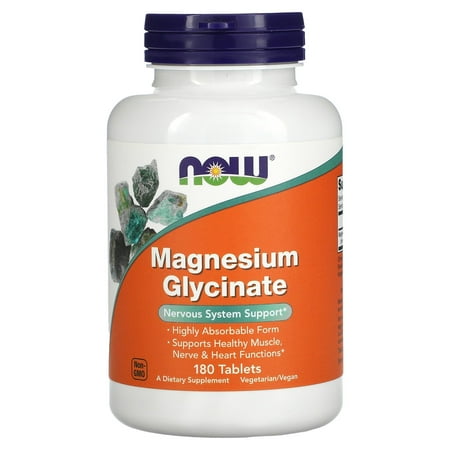

Magnesium Glycinate 180 Tablets NOW Foods
Analysis updated August 2026 · How Scout scores
At a glance
Summary
This magnesium supplement uses the highly bioavailable bisglycinate form, which is gentle on the stomach and effectively absorbed by the body. However, the inclusion of sunflower oil, a processed seed oil, is a concern due to its potential inflammatory effects. The presence of sunflower lecithin as an emulsifier adds to the processing level, but the overall formulation remains relatively clean with minimal additives.
Key ingredients 9
MagnesiumGood
Magnesium is an essential mineral that supports numerous bodily functions, including muscle and nerve function, blood glucose control, and bone health. The bisglycinate form is highly bioavailable, meaning it is easily absorbed by the body. This form is also gentle on the stomach compared to other magnesium supplements.
Benefits
Supports muscle and nerve function, helps regulate blood sugar levels, and contributes to bone health.
Citric AcidNeutral
Citric acid is commonly used as a preservative and flavor enhancer in supplements. It is naturally found in citrus fruits and is generally recognized as safe. In supplements, it can aid in mineral absorption.
Risks
Excessive consumption may cause gastrointestinal discomfort in sensitive individuals.
Benefits
May enhance mineral absorption and acts as a preservative.
Hydroxypropyl CelluloseNeutral
Hydroxypropyl cellulose is used as a binder and thickener in supplements. It is a chemically modified cellulose that is generally considered safe for consumption. It helps maintain the tablet's structure and integrity.
Benefits
Helps maintain the structure and integrity of the tablet.
Stearic AcidNeutral
Stearic acid is a fatty acid used as a lubricant in supplement manufacturing. It is derived from vegetable sources and is generally recognized as safe. It helps ensure the smooth processing of tablets.
Benefits
Facilitates the manufacturing process by acting as a lubricant.
Silicon DioxideNeutral
Silicon dioxide is used as an anti-caking agent to prevent clumping in supplements. It is naturally occurring and considered safe for consumption. It ensures the consistency and quality of the product.
Benefits
Prevents clumping and ensures product consistency.
Vegetarian CoatingNeutral
The vegetarian coating, made from hypromellose and other plant-based ingredients, is used to encapsulate the tablet. It is suitable for vegetarians and helps protect the tablet from moisture. This coating is generally considered safe and non-reactive.
Benefits
Provides a protective barrier and is suitable for vegetarians.
Triethyl CitrateNeutral
Triethyl citrate is used as a plasticizer in coatings for supplements. It is derived from citric acid and is generally recognized as safe. It helps maintain the flexibility and integrity of the tablet coating.
Benefits
Maintains flexibility and integrity of the tablet coating.
Sunflower LecithinBad
Sunflower lecithin is used as an emulsifier in supplements. While it is a refined product and not as harmful as seed oils, it is still processed and may contain residues. It helps improve the texture and stability of the product.
Risks
May contain processing residues and is a refined product.
Benefits
Improves texture and stability of the product.
Sunflower OilVery Bad
Sunflower oil is a seed oil high in omega-6 fatty acids, which can promote inflammation when consumed in excess. It is highly processed and often refined, which can lead to the presence of unhealthy trans fats. Its inclusion in supplements is generally discouraged due to these health concerns.
Risks
High omega-6 content may promote inflammation and is often refined, leading to potential trans fat presence.
Processing
Processed Foods
Get the full breakdown in the Scout appTake Scout shopping
Scan any product to see lab results, healthy alternatives, and your personalized analysis.
Download on theApp Store GET IT ONGoogle PlayAmazon pricing & content
Amazon price as of . Product prices and availability are accurate as of the date/time indicated and are subject to change. Any price and availability information displayed on Amazon.com at the time of purchase will apply to the purchase of this product.
CERTAIN CONTENT THAT APPEARS ON THIS SITE COMES FROM AMAZON. THIS CONTENT IS PROVIDED “AS IS” AND IS SUBJECT TO CHANGE OR REMOVAL AT ANY TIME.