
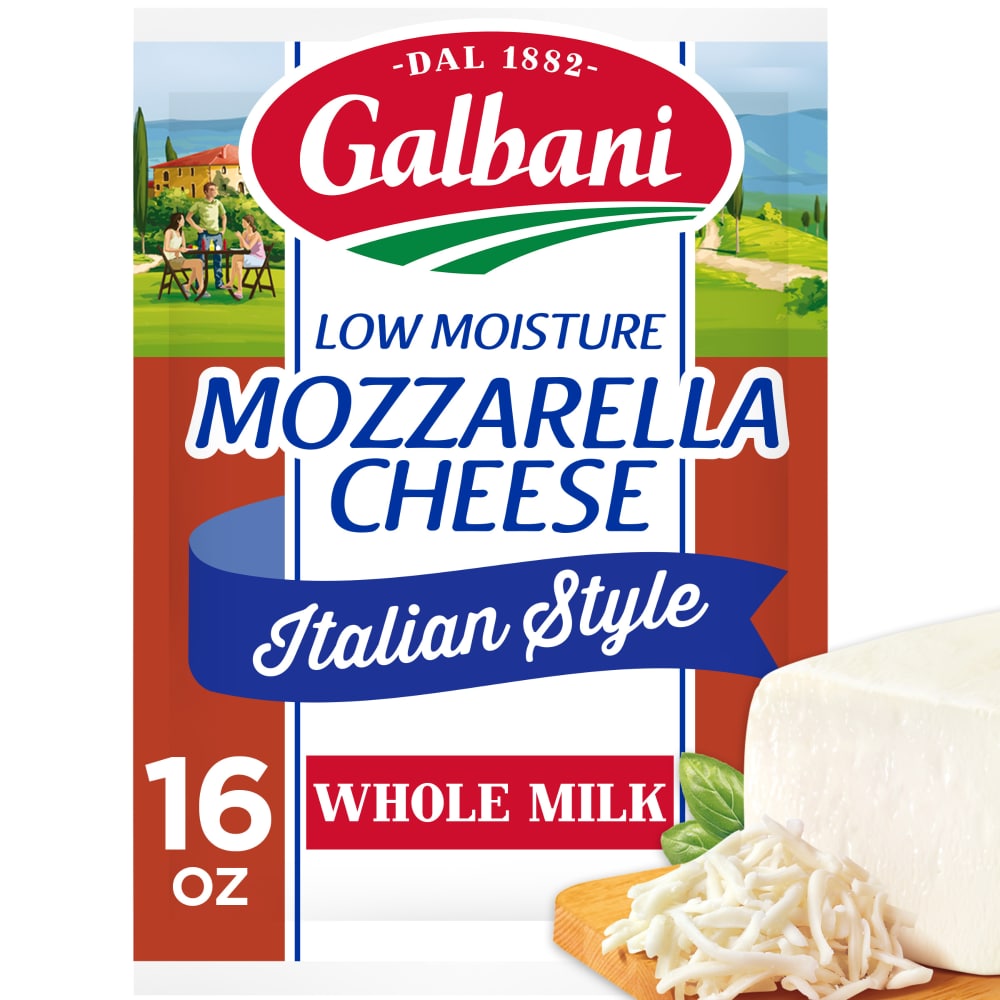


Mozzarella
Analysis updated August 2026 · How Scout scores
At a glance
Summary
This mozzarella cheese is made from pasteurized whole milk, salt, non-animal rennet, and citric acid, which are clean and straightforward ingredients. The product is processed, but it avoids harmful additives and maintains a simple ingredient list, which supports a higher score within its category. The use of whole milk provides essential nutrients, contributing positively to its nutritional profile.
Key ingredients 4
Pasteurized whole milkGood
Pasteurized whole milk is a primary source of high-quality protein and essential nutrients like calcium and vitamin D. The pasteurization process ensures safety by eliminating harmful bacteria while retaining nutritional value. It provides a rich source of energy and supports bone health.
Benefits
Rich in calcium and vitamin D, supporting bone health and providing essential nutrients for overall well-being.
SaltNeutral
Salt is used as a preservative and flavor enhancer in cheese production. It helps control the fermentation process and enhances the taste of the cheese. While necessary in small amounts, excessive consumption can lead to health issues such as hypertension.
Risks
Excessive salt intake can contribute to high blood pressure and cardiovascular issues.
Benefits
Enhances flavor and acts as a preservative in cheese production.
Non-animal rennetNeutral
Non-animal rennet is used to coagulate milk in cheese-making, providing a vegetarian alternative to traditional animal rennet. It is derived from microbial or plant sources, making it suitable for vegetarian diets. It performs the same function as animal rennet without ethical concerns.
Benefits
Suitable for vegetarians and performs essential coagulation in cheese-making.
Citric acidNeutral
Citric acid is used as an acidity regulator in cheese production, helping to maintain the desired pH level. It is a naturally occurring compound found in citrus fruits and is generally recognized as safe. It aids in the cheese-making process by enhancing texture and flavor.
Benefits
Helps regulate acidity and improve texture and flavor in cheese.
Processing
Processed Foods
Get the full breakdown in the Scout appTake Scout shopping
Scan any product to see lab results, healthy alternatives, and your personalized analysis.
Download on theApp Store GET IT ONGoogle PlayAmazon pricing & content
Amazon price as of . Product prices and availability are accurate as of the date/time indicated and are subject to change. Any price and availability information displayed on Amazon.com at the time of purchase will apply to the purchase of this product.
CERTAIN CONTENT THAT APPEARS ON THIS SITE COMES FROM AMAZON. THIS CONTENT IS PROVIDED “AS IS” AND IS SUBJECT TO CHANGE OR REMOVAL AT ANY TIME.