


At a glance
Summary
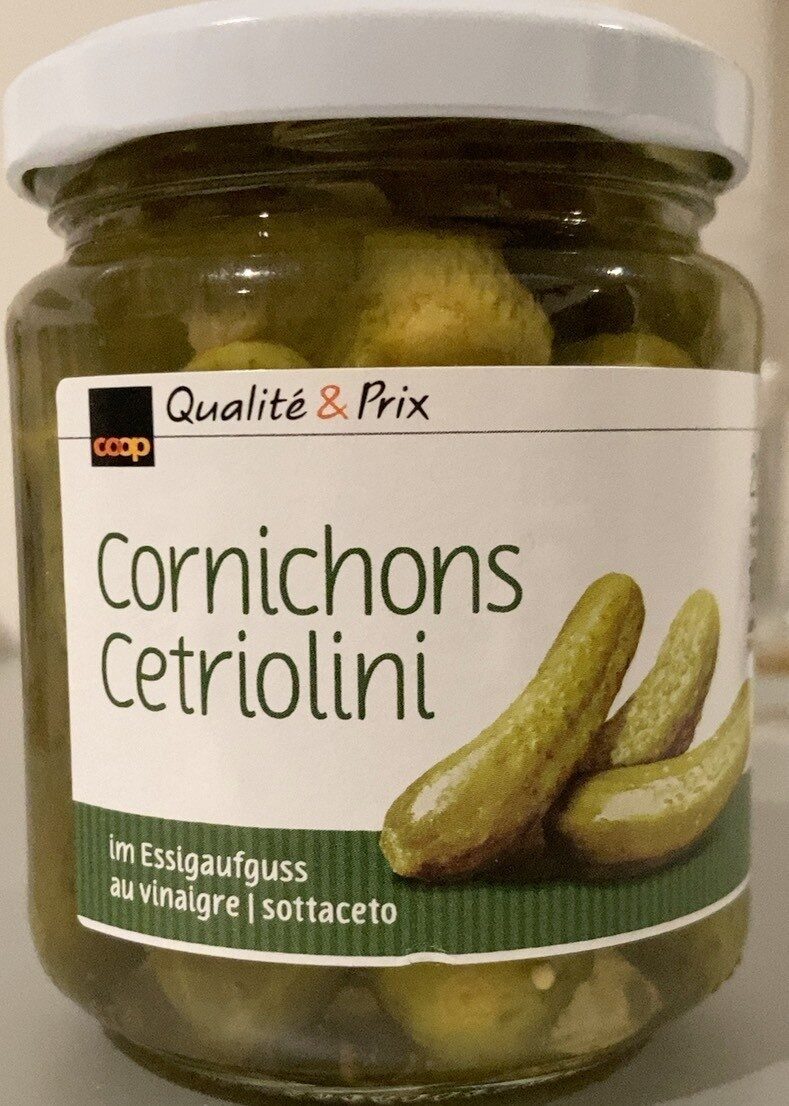
This product is moderately processed and contains added sugar and sulfites, which are common in pickled foods but can be concerning for those with sensitivities. While cornichons themselves are low in calories and may offer probiotic benefits, the presence of synthetic additives and refined sugar impacts the overall healthiness of the product. The processing level limits its score, despite the potential benefits of fermented ingredients.
Key ingredients 9
CornichonsGood
Cornichons are small pickled cucumbers that are low in calories and provide a crunchy texture. They are typically fermented, which can offer probiotic benefits. The fermentation process may support gut health by promoting beneficial bacteria.
Benefits
May support digestive health due to potential probiotic content from fermentation. Low in calories and can be a flavorful addition to meals.
BrandntweinessigNeutral
Brandntweinessig is a type of vinegar used for pickling, providing acidity and flavor. It is a common culinary ingredient with no significant health benefits or risks. The acidity helps preserve the cornichons and enhances their taste.
WeissweinessigNeutral
Weissweinessig, or white wine vinegar, is used for its acidic properties in pickling. It adds flavor and acts as a preservative. It is a standard culinary ingredient with minimal health impact.
Kochsalz jodiertNeutral
Kochsalz jodiert, or iodized salt, is used to enhance flavor and preserve the product. It provides iodine, an essential nutrient for thyroid function. However, excessive consumption of salt can lead to health issues like hypertension.
Risks
Excessive salt intake may contribute to high blood pressure and cardiovascular issues.
Benefits
Provides iodine, which is essential for thyroid health and metabolic regulation.
Gewürze (mit Senfsamen)Neutral
Gewürze, or spices, including mustard seeds, add flavor and aroma to the product. Mustard seeds contain compounds that may have antioxidant properties. The spices enhance the sensory profile without significant health risks.
Benefits
May provide minor antioxidant benefits due to the presence of mustard seeds.
KräuterNeutral
Kräuter, or herbs, are used to enhance flavor and aroma in the pickling process. They are natural ingredients with minimal processing. Herbs can contribute to the overall taste profile without significant health impacts.
GewürzextraktNeutral
Gewürzextrakt, or spice extract, is used to intensify flavor in the product. It is a concentrated form of spices, providing aroma and taste. The extract is a standard culinary ingredient with no notable health effects.
ZuckerBad
Zucker, or sugar, is added for flavor balance in pickling but offers no nutritional benefits. Excessive sugar consumption is linked to various health issues, including obesity and metabolic disorders. It is a refined carbohydrate with high glycemic impact.
Risks
High sugar intake can lead to weight gain, insulin resistance, and increased risk of chronic diseases.
Antioxidationsmittel (E 224 [Sulfites])Bad
E 224, or potassium metabisulfite, is used as a preservative to prevent oxidation and maintain color. Sulfites can cause allergic reactions in sensitive individuals. It is a synthetic additive with potential health concerns for those with sulfite sensitivity.
Risks
May cause allergic reactions or respiratory issues in sensitive individuals.
Processing
Processed Foods
Get the full breakdown in the Scout appTake Scout shopping
Scan any product to see lab results, healthy alternatives, and your personalized analysis.
Download on theApp Store GET IT ONGoogle Play