
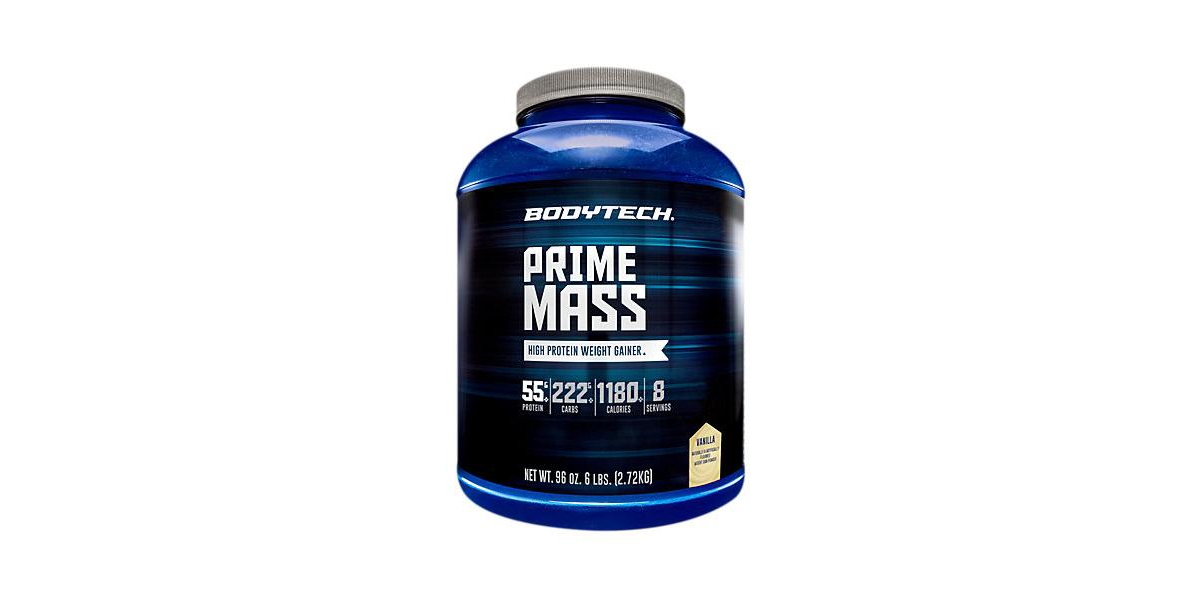

BodyTech Prime Mass - Vanilla (6 lbs./8 Servings)
Analysis updated July 2026 · How Scout scores
At a glance
Summary
This protein powder contains beneficial ingredients like whey protein and omega-3 fatty acids, which support muscle growth and heart health. However, the presence of sucralose, an artificial sweetener, and lecithin, a processed emulsifier, detracts from its overall quality. The product also includes a moderate number of additives, which contributes to its processing level and impacts the score.
Key ingredients 19
Whey ProteinVery Good
Whey protein is a high-quality animal-based protein with a rich amino acid profile. It is rapidly absorbed and supports muscle growth and recovery. Compared to plant-based proteins, it offers superior bioavailability and digestibility.
Benefits
Rich in essential amino acids, it supports muscle repair and growth, making it ideal for athletes and bodybuilders.
Omega 3Very Good
Omega 3 fatty acids are essential fats that support heart health and reduce inflammation. They are crucial for brain function and overall health. Sourced from fish or algae, they are highly beneficial for cardiovascular and cognitive health.
Benefits
Supports heart health, reduces inflammation, and is essential for brain function.
Docosahexaenoic AcidVery Good
Docosahexaenoic Acid (DHA) is a crucial omega-3 fatty acid for brain and eye health. It is a major structural component of the brain and retina. DHA is essential for cognitive function and visual acuity.
Benefits
Supports brain and eye health, and is essential for cognitive function and visual acuity.
CaseinGood
Casein is a slow-digesting protein that provides a sustained release of amino acids. It is beneficial for muscle maintenance and recovery during periods of fasting, such as overnight. Its slow absorption rate makes it complementary to whey protein.
Benefits
Supports prolonged muscle protein synthesis and helps prevent muscle breakdown.
Alpha Linolenic AcidGood
Alpha Linolenic Acid (ALA) is a plant-based omega-3 fatty acid that supports heart health. It is converted in the body to EPA and DHA, albeit inefficiently. ALA is beneficial for cardiovascular health and reducing inflammation.
Benefits
Supports cardiovascular health and has anti-inflammatory properties.
CyanocobalaminGood
Cyanocobalamin is a synthetic form of vitamin B12, essential for nerve function and red blood cell production. It is commonly used in supplements to prevent or treat vitamin B12 deficiency. It is crucial for maintaining healthy nerve cells and DNA synthesis.
Benefits
Supports nerve function and red blood cell production, preventing vitamin B12 deficiency.
Potassium IodideGood
Potassium iodide is a source of iodine, essential for thyroid function. It helps prevent iodine deficiency, which can lead to thyroid disorders. It is crucial for the production of thyroid hormones.
Risks
Excessive intake may lead to thyroid dysfunction.
Benefits
Supports thyroid health and prevents iodine deficiency.
Enzyme BlendGood
The enzyme blend, including protease, amylase, and lipase, aids in the digestion of proteins, carbohydrates, and fats. It enhances nutrient absorption and reduces digestive discomfort. Enzymes are beneficial for improving overall digestion and nutrient utilization.
Benefits
Improves digestion and nutrient absorption, reducing digestive discomfort.
LactoseNeutral
Lactose is a natural sugar found in milk, providing a source of energy. It is generally well-tolerated unless an individual is lactose intolerant. In protein supplements, it can enhance the taste and texture.
Risks
May cause digestive discomfort in individuals with lactose intolerance.
Benefits
Provides a quick source of energy and can improve the palatability of protein supplements.
MaltoseNeutral
Maltose is a disaccharide sugar that provides energy. It is less sweet than glucose and fructose and is often used in food processing. It is generally safe when consumed in moderation.
Risks
Excessive consumption may contribute to elevated blood sugar levels.
Benefits
Acts as a carbohydrate source, providing energy for physical activities.
GalactoseNeutral
Galactose is a simple sugar that is part of lactose. It is metabolized by the body to provide energy. It is generally safe for most people unless they have a specific metabolic disorder.
Risks
Individuals with galactosemia should avoid galactose due to metabolic concerns.
Benefits
Provides energy and is a component of lactose, contributing to the nutritional profile of dairy products.
StarchNeutral
Starch is a complex carbohydrate that serves as an energy source. It is commonly used as a thickening agent in food products. It is generally well-tolerated and provides sustained energy release.
Risks
Excessive intake may lead to weight gain if not balanced with physical activity.
Benefits
Provides a steady source of energy and can improve the texture of food products.
Omega 6Neutral
Omega 6 fatty acids are essential fats that play a role in brain function and normal growth and development. They are generally beneficial but should be balanced with omega 3 intake to avoid promoting inflammation.
Risks
High omega-6 intake relative to omega-3 may promote inflammation.
Benefits
Supports brain function and normal growth and development.
PolynicotinateNeutral
Polynicotinate is a form of niacin (vitamin B3) that supports energy metabolism. It is often used in supplements for its potential to improve cholesterol levels. It is generally safe when used in appropriate amounts.
Risks
High doses may cause flushing or liver damage.
Benefits
Supports energy metabolism and may improve cholesterol levels.
Folic AcidNeutral
Standard formulation ingredient — neither beneficial nor harmful at typical use.
Benefits
Supports DNA synthesis and cell division, crucial for fetal development during pregnancy.
Xanthan GumNeutral
Xanthan gum is a thickening agent used to stabilize and thicken food products. It is produced by fermenting sugars with Xanthomonas campestris bacteria. It is generally safe and widely used in the food industry.
Risks
May cause digestive discomfort in large amounts.
Benefits
Improves texture and stability of food products.
SaltNeutral
Salt is used to enhance flavor and preserve food. It is essential for maintaining fluid balance and nerve function. However, excessive intake can lead to health issues such as hypertension.
Risks
Excessive consumption may contribute to high blood pressure.
Benefits
Enhances flavor and is essential for fluid balance and nerve function.
LecithinBad
Lecithin is an emulsifier used to improve texture and mixability in food products. It is often derived from soy or sunflower and is highly processed. While generally safe, it is considered a processed additive.
Risks
May cause digestive issues in sensitive individuals.
Benefits
Improves texture and mixability in food products.
SucraloseBad
Sucralose is an artificial sweetener used to provide sweetness without calories. It is highly processed and may affect gut health. While approved for use, it is considered a less desirable ingredient due to its artificial nature.
Risks
May impact gut microbiota and cause digestive issues in some individuals.
Benefits
Provides sweetness without adding calories.
Processing
Processed Foods
Get the full breakdown in the Scout appTake Scout shopping
Scan any product to see lab results, healthy alternatives, and your personalized analysis.
Download on theApp Store GET IT ONGoogle PlayAmazon pricing & content
Amazon price as of . Product prices and availability are accurate as of the date/time indicated and are subject to change. Any price and availability information displayed on Amazon.com at the time of purchase will apply to the purchase of this product.
CERTAIN CONTENT THAT APPEARS ON THIS SITE COMES FROM AMAZON. THIS CONTENT IS PROVIDED “AS IS” AND IS SUBJECT TO CHANGE OR REMOVAL AT ANY TIME.