
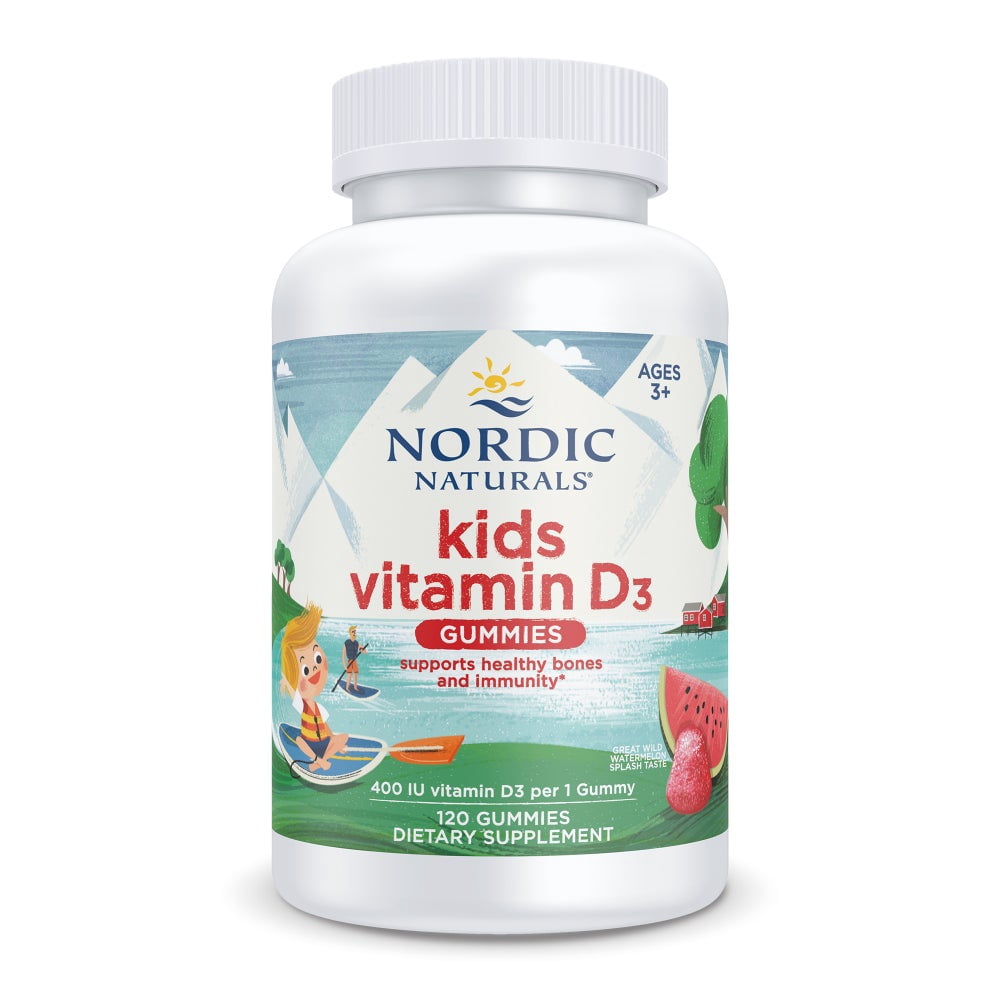

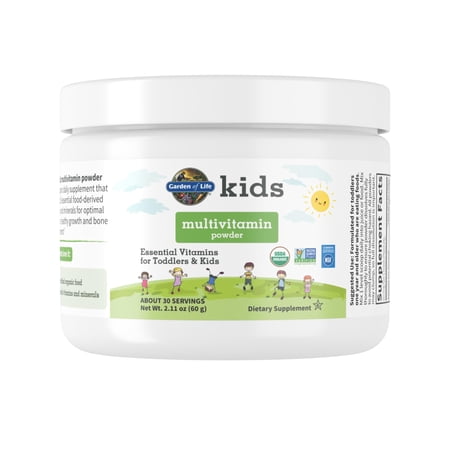
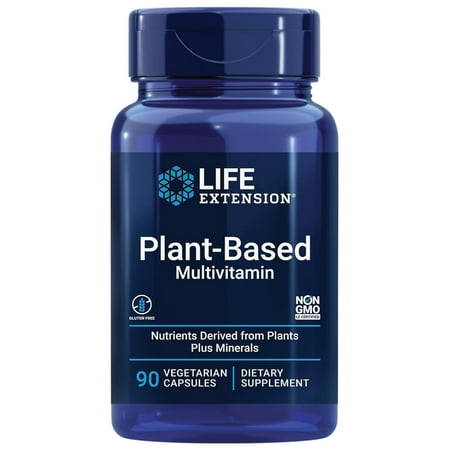
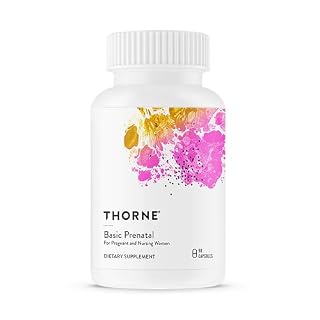
Nordic Naturals Vitamin D3 Gummies Kids 400 IU Vegetarian Non-GMO 120 Ct
Analysis updated July 2026 · How Scout scores
At a glance
Summary
The Nordic Naturals Vitamin D3 Gummies for Kids contain beneficial ingredients like cholecalciferol, which is essential for bone health and immune function. However, the presence of organic sugar and natural flavors, which can contribute to increased blood sugar levels and lack transparency, slightly detracts from the overall formulation quality. Despite these concerns, the product remains a decent choice for providing necessary Vitamin D to children.
Key ingredients 10
CholecalciferolVery Good
Cholecalciferol, also known as Vitamin D3, is essential for calcium absorption and bone health. It is a high-quality active ingredient in supplements, supporting immune function and overall health. It is especially important for children in developing strong bones.
Risks
Excessive intake can lead to vitamin D toxicity, but this is rare with normal supplementation.
Benefits
Supports bone health, immune function, and overall well-being.
Vitamin DVery Good
Vitamin D is crucial for maintaining healthy bones and teeth, as well as supporting the immune system. It is often added to supplements to ensure adequate intake, especially in populations with limited sun exposure. It plays a vital role in calcium metabolism.
Risks
Overconsumption can lead to hypercalcemia, but this is uncommon with standard doses.
Benefits
Promotes bone health and supports immune function.
Purified WaterNeutral
Purified water is used as a solvent and carrier in many food products. It is free from contaminants and additives, ensuring product safety. It does not contribute any nutritional value.
See more about Purified Water →PectinNeutral
Pectin is a natural gelling agent derived from fruits, commonly used to provide texture in gummies. It is a source of dietary fiber but is present in small amounts in this product. It is generally considered safe and non-allergenic.
Benefits
Provides dietary fiber, which can aid in digestion.
Citric AcidNeutral
Citric acid is a natural preservative and flavor enhancer found in citrus fruits. It is used to add tartness and preserve freshness in food products. It is generally recognized as safe when consumed in typical amounts.
Risks
Excessive consumption may cause tooth enamel erosion.
Fumaric AcidNeutral
Fumaric acid is an organic acid used as a food additive to enhance flavor and preserve products. It is considered safe for consumption in regulated amounts. It does not provide nutritional benefits.
See more about Fumaric Acid →Fruit And Vegetable Juice (Color)Neutral
Fruit and vegetable juice is used as a natural coloring agent, providing an alternative to artificial dyes. It is derived from natural sources and is generally considered safe. It does not contribute significant nutritional value in small amounts.
Benefits
Provides natural color without artificial additives.
Organic SugarBad
Organic sugar is a refined carbohydrate that can contribute to increased blood sugar levels and dental issues. Despite being organic, it still poses similar health risks as regular sugar. Excessive consumption can lead to metabolic disorders.
Risks
High sugar intake is associated with obesity, type 2 diabetes, and heart disease.
Organic Tapioca SyrupBad
Processed additive flagged under Scout's ingredient doctrine.
Risks
Excessive consumption can contribute to increased blood sugar levels.
Natural FlavorsBad
Natural flavors are additives used to enhance taste, but their exact composition is often undisclosed. They can contain a variety of compounds, some of which may not be beneficial. The lack of transparency can be concerning for consumers seeking clean labels.
Risks
Potential allergens and undisclosed ingredients may pose risks to sensitive individuals.
Processing
Processed Foods
Get the full breakdown in the Scout appTake Scout shopping
Scan any product to see lab results, healthy alternatives, and your personalized analysis.
Download on theApp Store GET IT ONGoogle Play