



At a glance
Summary
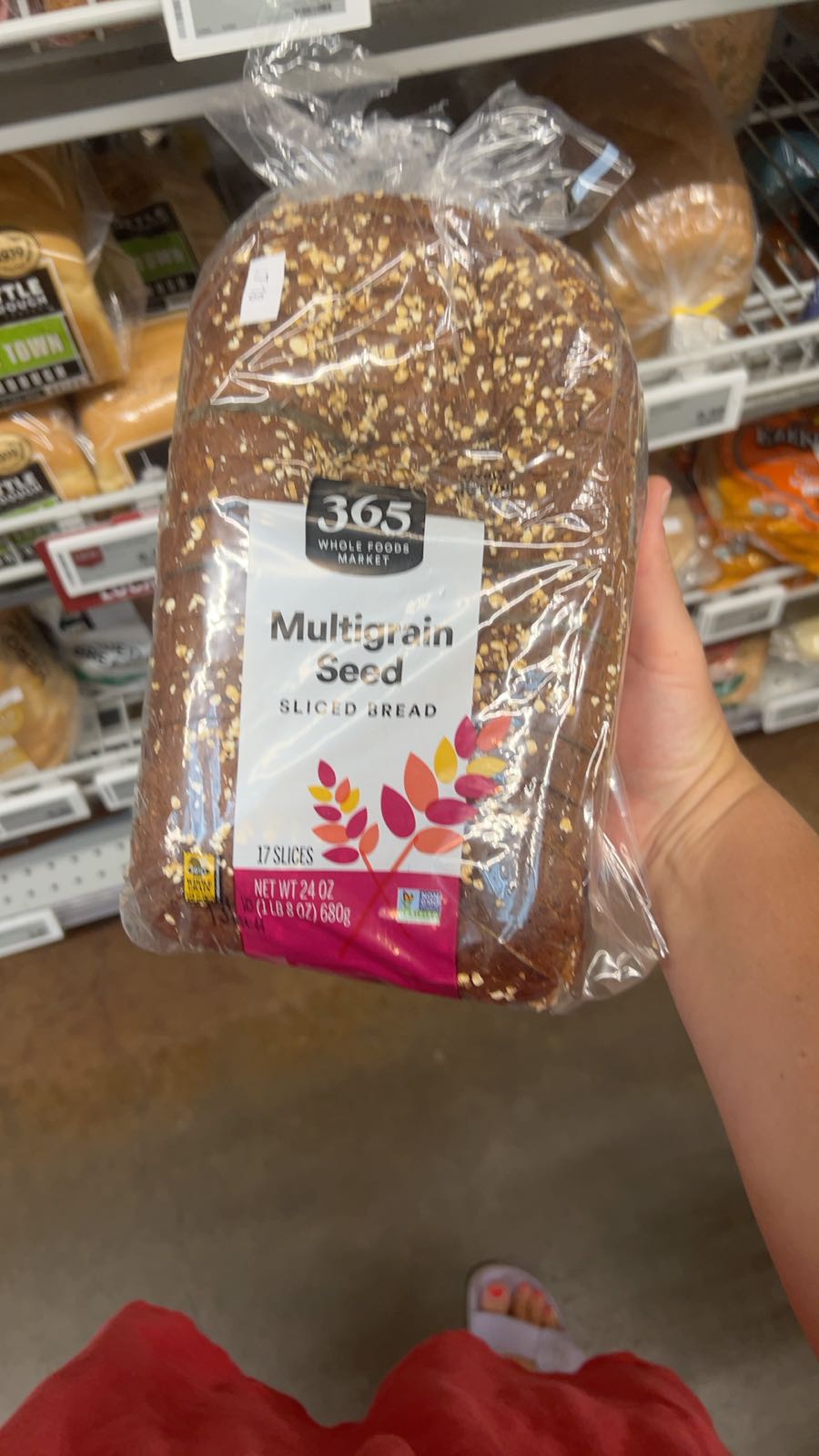
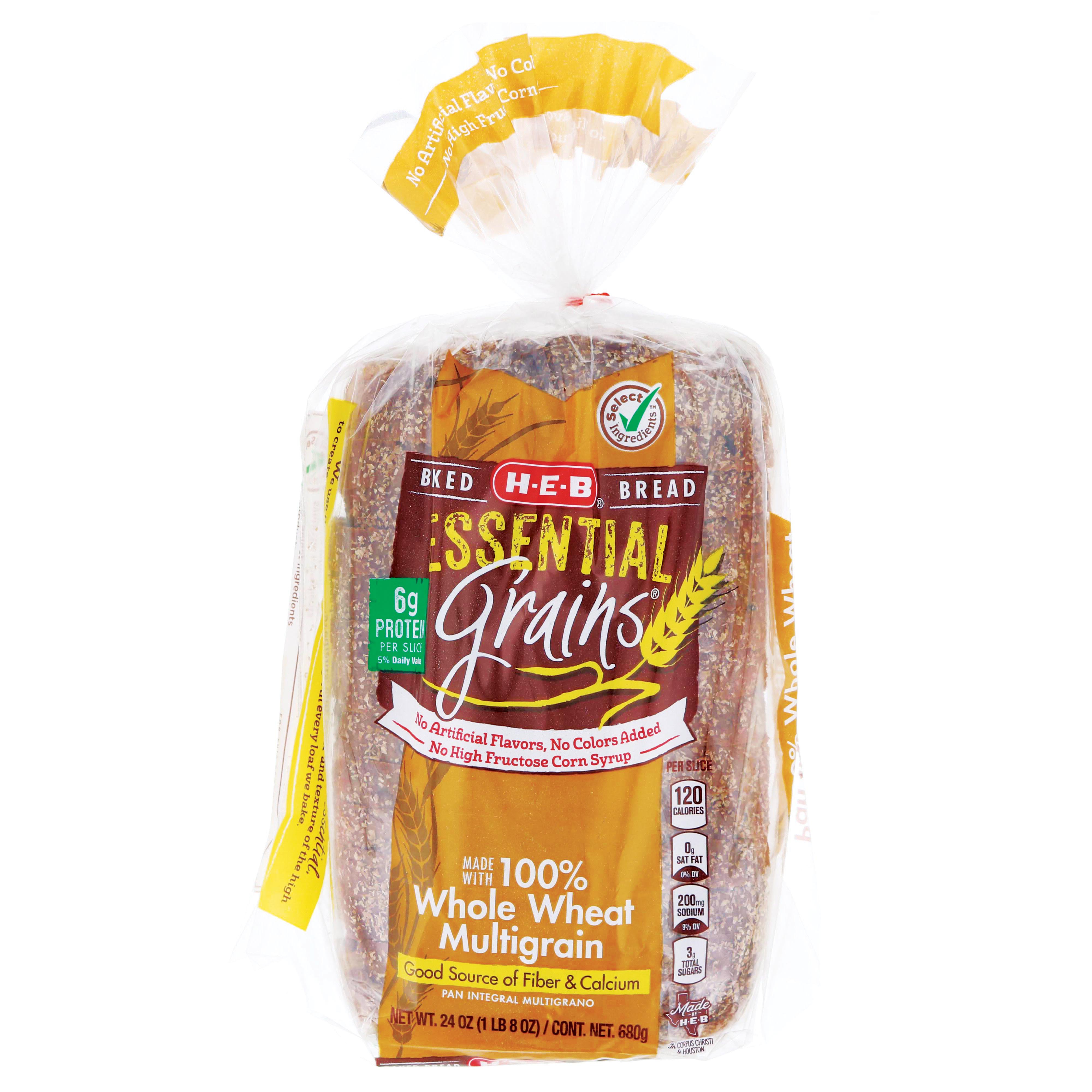
This whole grain loaf contains a variety of beneficial ingredients such as whole wheat flour, flax seeds, and sour culture, which enhance its nutritional profile with fiber, omega-3 fatty acids, and improved digestibility. However, the presence of enriched flour and the product's processed nature limit its score, as these factors indicate a higher level of processing compared to minimally processed whole foods.
Key ingredients 23
Whole wheat flourVery Good
Whole wheat flour is a whole grain flour that includes the bran, germ, and endosperm, providing fiber and essential nutrients. It is less processed than refined flour, retaining more vitamins and minerals. Its use in bread contributes to a healthier, more nutritious product.
Benefits
High in dietary fiber, which aids digestion and helps maintain stable blood sugar levels.
Flax seedsVery Good
Flax seeds are a rich source of omega-3 fatty acids, fiber, and lignans, which have various health benefits. They contribute to heart health and may reduce inflammation. Their inclusion in bread enhances its nutritional value significantly.
Benefits
High in omega-3 fatty acids and fiber, supporting heart health and reducing inflammation.
Cracked flax seedVery Good
Cracked flax seed is a rich source of omega-3 fatty acids, fiber, and lignans, which have various health benefits. They contribute to heart health and may reduce inflammation. Their inclusion in bread enhances its nutritional value significantly.
Benefits
High in omega-3 fatty acids and fiber, supporting heart health and reducing inflammation.
Cracked wheatGood
Cracked wheat is a whole grain that retains its bran and germ, providing fiber and nutrients. It contributes to a lower glycemic index compared to refined grains. Its inclusion in bread enhances nutritional value and texture.
Benefits
Rich in dietary fiber, which supports digestive health and provides a feeling of fullness.
Sour cultureGood
Sour culture is used in sourdough bread to ferment the dough, enhancing flavor and digestibility. It can improve the bioavailability of nutrients and reduce phytic acid content. The fermentation process may also support gut health.
Benefits
May improve gut health and nutrient absorption due to fermentation.
Dark rye flourGood
Dark rye flour is a whole grain flour that is rich in fiber and nutrients. It has a distinctive flavor and contributes to a denser bread texture. Rye flour is known for its potential to improve digestive health.
Benefits
Provides dietary fiber and nutrients, supporting digestive health and offering a unique flavor profile.
Hulled milletGood
Hulled millet is a whole grain that is gluten-free and rich in fiber, vitamins, and minerals. It contributes to the nutritional profile of bread by adding essential nutrients. Millet is also known for its antioxidant properties.
Benefits
Rich in fiber and essential nutrients, supporting overall health and providing antioxidant benefits.
HoneyGood
Traditional whole-food sweetener with trace enzymes and antioxidants.
Risks
Excessive consumption may contribute to increased blood sugar levels.
Benefits
Provides natural sweetness and some trace nutrients, with a lower glycemic index than refined sugars.
Sunflower seedsGood
Sunflower seeds are a good source of healthy fats, protein, and essential nutrients like vitamin E and magnesium. They contribute to heart health and provide a crunchy texture in bread. Their nutrient density makes them a beneficial addition.
Benefits
Rich in healthy fats and nutrients, supporting heart health and providing a satisfying texture.
Cracked barleyGood
Cracked barley is a whole grain that provides fiber, vitamins, and minerals. It contributes to the nutritional profile of bread by adding essential nutrients. Barley is known for its potential to improve heart health and digestion.
Benefits
Rich in fiber and nutrients, supporting heart health and digestion.
Cracked ryeGood
Cracked rye is a whole grain that is rich in fiber and nutrients. It contributes to a denser bread texture and offers potential digestive health benefits. Rye is known for its distinctive flavor and nutritional profile.
Benefits
Provides dietary fiber and nutrients, supporting digestive health and offering a unique flavor profile.
Cracked triticaleGood
Cracked triticale is a hybrid grain that combines the qualities of wheat and rye, offering fiber and nutrients. It contributes to the nutritional profile of bread by adding essential nutrients. Triticale is known for its potential to improve heart health and digestion.
Benefits
Rich in fiber and nutrients, supporting heart health and digestion.
Cracked milletGood
Cracked millet is a whole grain that is gluten-free and rich in fiber, vitamins, and minerals. It contributes to the nutritional profile of bread by adding essential nutrients. Millet is also known for its antioxidant properties.
Benefits
Rich in fiber and essential nutrients, supporting overall health and providing antioxidant benefits.
Cracked oatsGood
Cracked oats are a whole grain that provides fiber, vitamins, and minerals. They contribute to the nutritional profile of bread by adding essential nutrients. Oats are known for their potential to improve heart health and digestion.
Benefits
Rich in fiber and nutrients, supporting heart health and digestion.
WaterNeutral
Water is a fundamental ingredient in bread making, providing moisture and aiding in the activation of yeast. It does not contribute any calories or nutrients. Its primary role is functional, supporting the dough's texture and consistency.
Benefits
Essential for hydration and dough formation, but does not provide nutritional benefits.
Organic malt powderNeutral
Organic malt powder is used to enhance flavor and color in baked goods. It is made from sprouted grains, which may offer some nutritional benefits. However, its contribution to overall nutrition is minimal.
Benefits
May provide trace nutrients from sprouted grains, but primarily used for flavor enhancement.
SaltNeutral
Salt is used in bread to enhance flavor and control yeast activity. It is a necessary component in baking but does not provide nutritional benefits. Excessive consumption can lead to health issues like hypertension.
Risks
High sodium intake may contribute to hypertension and cardiovascular issues.
Benefits
Essential for flavor and yeast control in baking, but offers no significant nutritional benefits.
YeastNeutral
Yeast is a microorganism used in bread making to ferment sugars and produce carbon dioxide, which leavens the dough. It is essential for bread texture and flavor. Yeast itself does not provide significant nutritional benefits.
Benefits
Essential for leavening and flavor development in bread, but offers no significant nutritional benefits.
Cracked cornNeutral
Cracked corn is a whole grain that provides carbohydrates and some fiber. It adds texture and flavor to bread but is less nutrient-dense compared to other whole grains. Its inclusion is primarily for texture and flavor.
Benefits
Provides carbohydrates and some fiber, contributing to texture and flavor.
Cracked brown riceNeutral
Cracked brown rice is a whole grain that provides carbohydrates and some fiber. It is less processed than white rice, retaining more nutrients. Its inclusion in bread adds texture and a mild flavor.
Benefits
Provides carbohydrates and some fiber, contributing to texture and flavor.
SemolinaNeutral
Semolina is a coarsely ground flour made from durum wheat, providing carbohydrates and some protein. It is used for its texture and flavor in bread. While it offers some nutrients, it is less nutrient-dense than whole grains.
Benefits
Provides carbohydrates and some protein, contributing to texture and flavor.
Cracked organic soybeansNeutral
Cracked organic soybeans provide protein and essential nutrients. They are less processed than soy protein isolates, retaining more nutrients. Their inclusion in bread adds protein and a nutty flavor.
Risks
May cause allergic reactions in individuals sensitive to soy.
Benefits
Provides protein and essential nutrients, contributing to the nutritional profile of bread.
Unbleached enriched flourBad
Processed additive flagged under Scout's ingredient doctrine.
Risks
May contribute to blood sugar spikes due to its refined nature.
Benefits
Fortification adds essential nutrients such as iron and B vitamins, which are important for various bodily functions.
Processing
Processed Foods
Get the full breakdown in the Scout appTake Scout shopping
Scan any product to see lab results, healthy alternatives, and your personalized analysis.
Download on theApp Store GET IT ONGoogle Play