
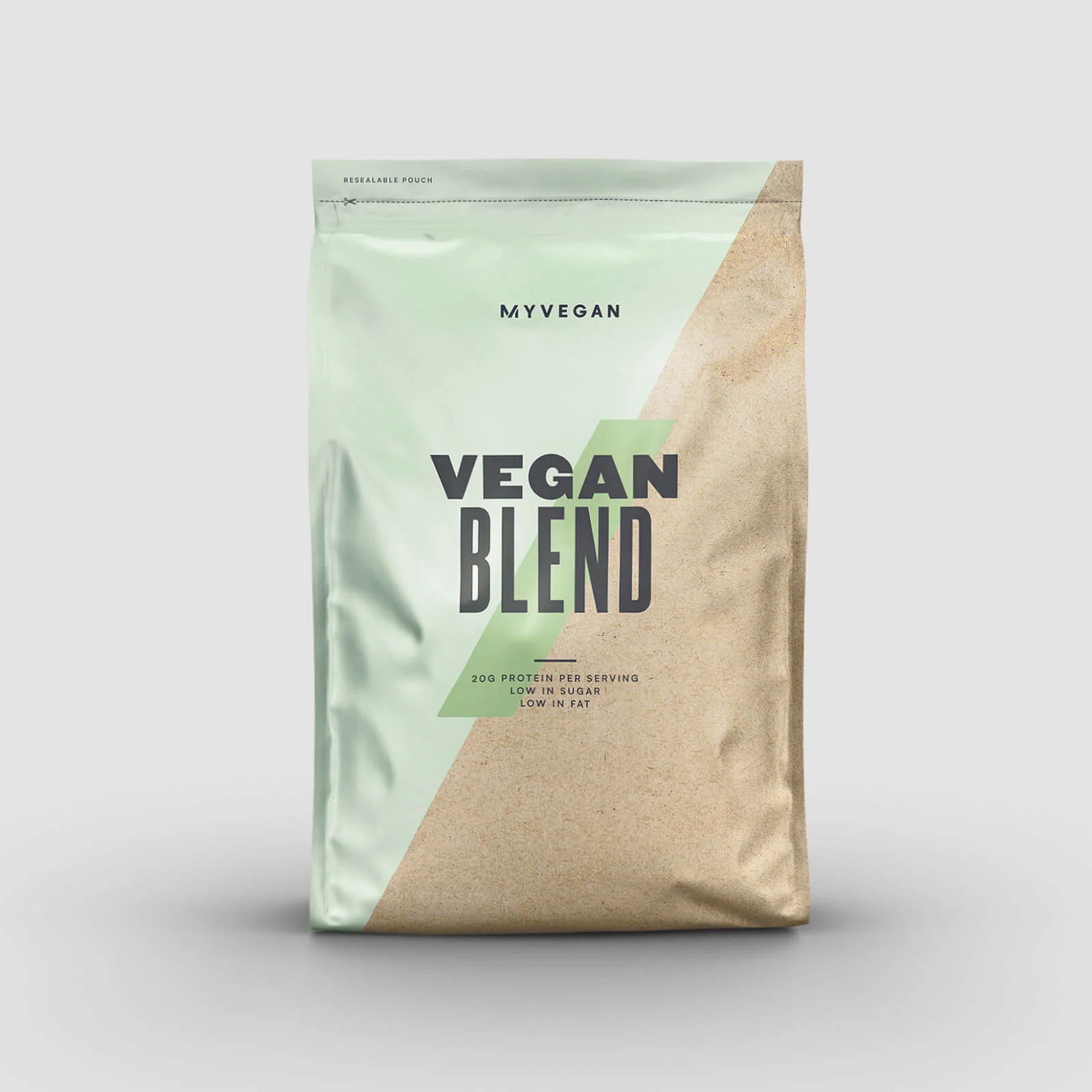


Myprotein 2.5 Kg Chocolate Smooth Vegan Blend
Analysis updated August 2026 · How Scout scores
At a glance
Summary
This vegan protein blend contains a mix of pea and fava bean protein isolates, which are generally considered high-quality plant-based protein sources. However, the inclusion of sunflower oil, a seed oil high in omega-6 fatty acids, and sucralose, an artificial sweetener, are notable concerns. The use of vague flavorings and natural flavoring adds to the lack of transparency in the ingredient list, impacting the overall formulation quality.
Key ingredients 10
Pea Protein IsolateNeutral
Pea protein isolate is a plant-based protein source with a decent amino acid profile. It is less complete compared to animal-based proteins but is a good option for vegans. It is minimally processed and generally well-tolerated.
Benefits
Provides a plant-based protein source that is suitable for vegans and vegetarians.
Fava Bean Protein IsolateNeutral
Fava bean protein isolate is a plant-based protein that offers a good alternative to soy and animal proteins. It is less complete in amino acids compared to animal proteins but is a viable option for plant-based diets. It is generally considered hypoallergenic.
Benefits
Offers a plant-based protein source that is suitable for those with soy allergies.
Modified Tapioca StarchNeutral
Modified tapioca starch is used as a thickener and stabilizer in food products. It is derived from cassava root and is generally considered safe. It is a processed ingredient but does not pose significant health risks.
Benefits
Provides texture and stability to food products without significant nutritional impact.
Silicon DioxideNeutral
Silicon dioxide is used as an anti-caking agent to prevent clumping in powdered products. It is generally recognized as safe and is used in small quantities. It does not contribute to the nutritional profile of the product.
Benefits
Helps maintain the texture and flow of powdered products.
Alpha-TocopherolNeutral
Alpha-tocopherol is a form of vitamin E used as an antioxidant to preserve freshness. It is beneficial in preventing oxidation but is present in small amounts in processed foods. It does not significantly impact the nutritional value of the product.
Benefits
Acts as an antioxidant to help preserve the product's freshness.
Xanthan GumNeutral
Xanthan gum is a common food additive used as a thickener and stabilizer. It is produced by fermenting sugar with a specific strain of bacteria. It is generally considered safe for consumption in small amounts.
Risks
Excessive consumption may cause digestive issues in sensitive individuals.
Benefits
Provides texture and stability to food products.
FlavouringsBad
Flavourings often include a mix of natural and artificial components, which can be vague and lack transparency. They may contain additives that are not disclosed individually. The lack of specificity makes it difficult to assess their health impact.
Risks
Potential for undisclosed artificial additives that may cause allergic reactions or other health concerns.
Natural FlavouringBad
Natural flavouring is a broad term that can include a variety of substances derived from natural sources. The lack of specificity can mask the presence of additives or allergens. It is often used to enhance taste without providing nutritional value.
Risks
Potential for undisclosed additives or allergens that may cause health concerns.
SucraloseBad
Sucralose is an artificial sweetener that is much sweeter than sugar and used to reduce calorie content. It is chemically altered to be non-caloric, but concerns exist about its impact on gut health and metabolism. It is a synthetic additive with no nutritional benefits.
Risks
May affect gut microbiota and metabolism when consumed in large amounts.
Benefits
Provides sweetness without adding calories.
Sunflower OilVery Bad
Sunflower oil is a seed oil high in omega-6 fatty acids, which can promote inflammation when consumed in excess. It is often highly processed and refined, which can degrade its nutritional quality. The high omega-6 content is a concern for balanced omega-3 to omega-6 ratios.
Risks
High omega-6 content may promote inflammation and contribute to chronic diseases when consumed in excess.
Processing
Processed Foods
Get the full breakdown in the Scout appTake Scout shopping
Scan any product to see lab results, healthy alternatives, and your personalized analysis.
Download on theApp Store GET IT ONGoogle Play