
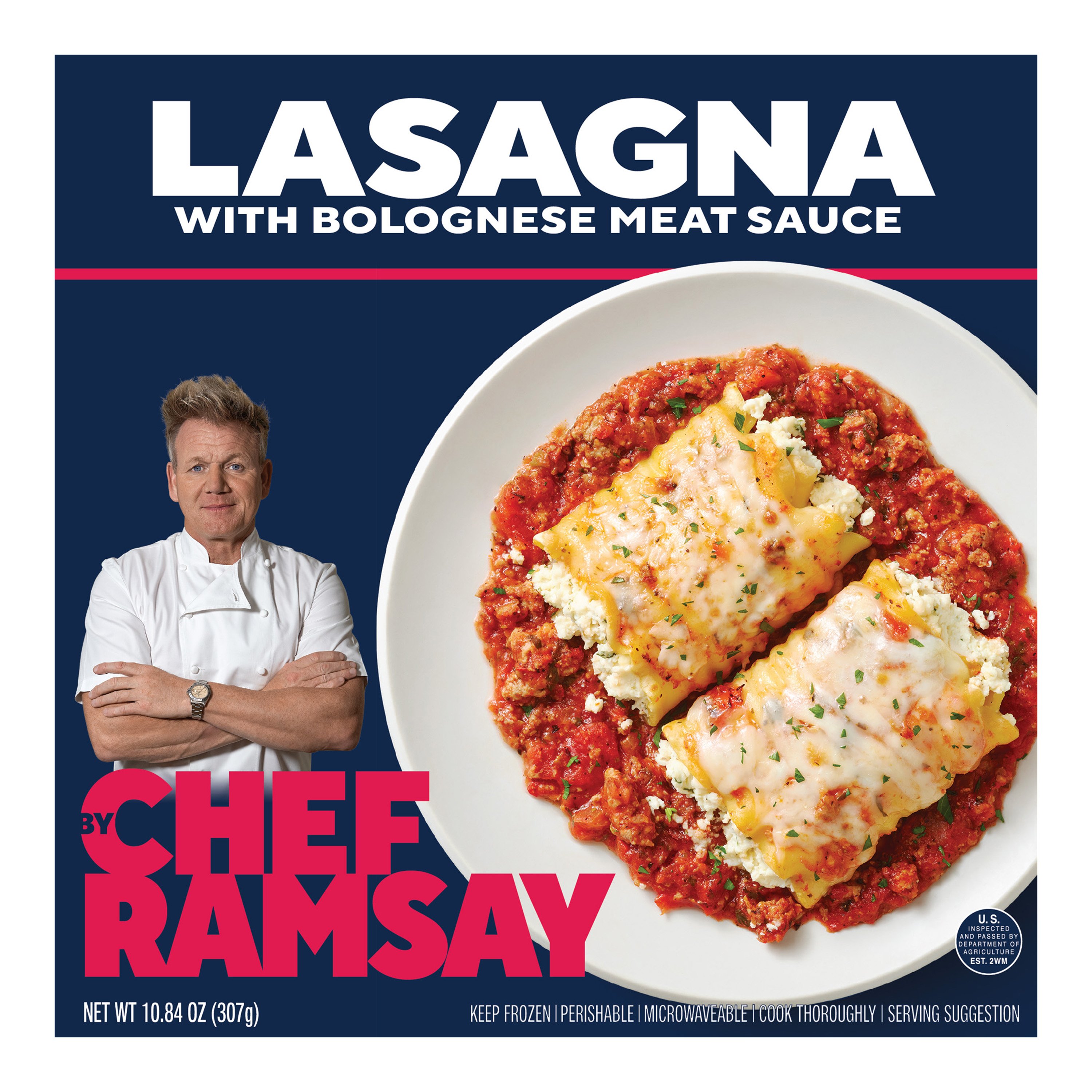
Lasagna
Summary
This lasagna is heavily processed, containing multiple additives such as xanthan gum and modified corn starch, which contribute to its ultra-processed nature. While it includes beneficial ingredients like ricotta and mozzarella cheese, the presence of refined sugar and a high processing level limit its healthiness. The product's nutritional profile is further impacted by its high energy content and moderate sodium levels.
At a glance
Key ingredients 23
Ricotta cheeseGood
Ricotta cheese is a dairy product rich in protein and calcium, beneficial for bone health. It is made from whey, a byproduct of cheese production, and typically contains less fat than other cheeses. The presence of gums like xanthan, locust bean, and guar gum may raise concerns for some individuals with sensitivities.
Risks
Contains gums that may cause digestive issues in sensitive individuals.
Benefits
Provides high-quality protein and calcium, supporting muscle and bone health.
Extra fancy durum flourNeutral
Durum flour is a refined wheat product used for pasta, providing a good source of carbohydrates. It is enriched with vitamins and minerals like niacin and iron, which are added back after processing. While it offers energy, it lacks the fiber and nutrients found in whole grains.
Risks
Refined flour may contribute to blood sugar spikes and lacks fiber.
Benefits
Enriched with essential vitamins and minerals, providing energy.
Low moisture part skim mozzarella cheeseGood
Mozzarella cheese is a good source of protein and calcium, with lower fat content due to being part skim. It is made using pasteurized milk and cheese cultures, ensuring safety and quality. Its lower moisture content extends shelf life and enhances flavor.
Risks
Contains lactose, which may be problematic for lactose-intolerant individuals.
Benefits
Provides protein and calcium, supporting bone health and muscle function.
Modified corn starchNeutral
Modified corn starch is used as a thickening agent in processed foods. It is derived from corn and undergoes chemical modification to enhance its properties. While it is generally safe, it offers little nutritional value.
Risks
May cause digestive issues in some individuals when consumed in large amounts.
Romano cheeseGood
Romano cheese is a hard cheese known for its strong flavor, providing protein and calcium. Made from pasteurized cow's milk, it is aged to develop its distinct taste. Its high sodium content may be a concern for those monitoring salt intake.
Risks
High sodium content may contribute to increased blood pressure.
Benefits
Rich in protein and calcium, supporting bone health.
Dried whole eggGood
Dried whole egg is a convenient source of high-quality protein and essential nutrients like choline. It is made by dehydrating eggs, preserving their nutritional content while extending shelf life. Eggs are a complete protein source, providing all essential amino acids.
Risks
May cause allergic reactions in individuals with egg allergies.
Benefits
Provides complete protein and essential nutrients like choline.
Parmesan cheeseGood
Parmesan cheese is a hard, aged cheese rich in protein and calcium, beneficial for bone health. It is made from pasteurized cow's milk and aged to develop its flavor and texture. Its high sodium content should be considered by those on a low-sodium diet.
Risks
High sodium content may be a concern for individuals with hypertension.
Benefits
Rich in protein and calcium, supporting bone and muscle health.
Black pepperGood
Black pepper is a spice that enhances flavor and contains piperine, which may improve nutrient absorption. It is a natural product with antioxidant properties. Its use in small amounts poses no significant health risks.
Benefits
Contains piperine, which may enhance nutrient absorption and has antioxidant properties.
ParsleyGood
Parsley is a herb rich in vitamins A, C, and K, offering antioxidant benefits. It is used to enhance flavor and provide nutritional value. Its high vitamin K content supports bone health and blood clotting.
Benefits
Rich in vitamins and antioxidants, supporting overall health.
TomatoesGood
Tomatoes are a rich source of vitamins C and K, potassium, and the antioxidant lycopene. They are used in cooking for their flavor and nutritional benefits. Lycopene has been linked to reduced risk of heart disease and cancer.
Benefits
Rich in vitamins and lycopene, supporting heart health and reducing cancer risk.
Calcium chlorideNeutral
Calcium chloride is used as a firming agent in canned tomatoes. It is a salt that helps maintain texture during processing. While generally recognized as safe, it offers no significant nutritional benefits.
See more about Calcium chloride →Citric acidNeutral
Citric acid is a natural preservative and flavor enhancer found in citrus fruits. It is used to add acidity and preserve freshness in processed foods. While generally safe, excessive consumption may cause tooth enamel erosion.
Risks
Excessive consumption may lead to tooth enamel erosion.
Benefits
Acts as a natural preservative and flavor enhancer.
OnionsGood
Onions are a flavorful vegetable rich in vitamins, minerals, and antioxidants. They contain quercetin, which has anti-inflammatory properties. Onions are used in cooking for their flavor and health benefits.
Benefits
Rich in antioxidants and quercetin, supporting immune health.
Ground porkNeutral
Ground pork is a source of protein and essential nutrients like B vitamins and zinc. It is used in cooking for its flavor and nutritional content. The fat content may vary, affecting its health impact.
Risks
High saturated fat content may contribute to heart disease if consumed in excess.
Benefits
Provides protein and essential nutrients like B vitamins and zinc.
Ground beefNeutral
Ground beef is a protein-rich meat providing essential nutrients like iron and B vitamins. It is used in cooking for its flavor and nutritional value. The fat content can vary, influencing its health impact.
Risks
High saturated fat content may increase heart disease risk if consumed in excess.
Benefits
Rich in protein, iron, and B vitamins, supporting muscle and blood health.
CeleryGood
Celery is a low-calorie vegetable rich in vitamins, minerals, and antioxidants. It is used in cooking for its flavor and nutritional benefits. Celery contains apigenin, which has anti-inflammatory properties.
Benefits
Rich in antioxidants and apigenin, supporting overall health.
Extra virgin olive oilVery Good
Extra virgin olive oil is a high-quality monounsaturated fat with anti-inflammatory properties. It contains antioxidants that support heart health. Cold-pressed extraction preserves beneficial compounds.
Benefits
Rich in monounsaturated fats that support heart health and provide anti-inflammatory properties. Contains antioxidants like vitamin E and polyphenols that may reduce oxidative stress.
Garlic pureeGood
Garlic puree is made from crushed garlic, known for its flavor and health benefits. It contains allicin, which has antimicrobial and cardiovascular benefits. Garlic is used in cooking for its potent flavor and potential health effects.
Benefits
Contains allicin, which may support cardiovascular health and has antimicrobial properties.
Corn starchNeutral
Corn starch is a common thickening agent derived from corn. It is used in cooking to improve texture and consistency. While it is generally safe, it provides little nutritional value.
Risks
May cause digestive issues in some individuals when consumed in large amounts.
CarrotsGood
Carrots are a nutritious vegetable rich in beta-carotene, fiber, and antioxidants. They are used in cooking for their sweet flavor and health benefits. Beta-carotene is converted to vitamin A, supporting vision and immune health.
Benefits
Rich in beta-carotene and fiber, supporting vision and digestive health.
SaltNeutral
Salt is used to enhance flavor and preserve food. It is essential for maintaining fluid balance and nerve function. Excessive intake can lead to high blood pressure and cardiovascular issues.
Risks
High sodium intake may contribute to hypertension and cardiovascular disease.
Benefits
Essential for fluid balance and nerve function.
SugarBad
Sugar is a refined carbohydrate used to enhance sweetness in foods. It provides quick energy but lacks essential nutrients. Excessive consumption is linked to obesity, diabetes, and dental issues.
Risks
High intake may lead to obesity, diabetes, and dental problems.
Benefits
Provides quick energy but lacks nutritional benefits.
SpicesNeutral
Spices are used to enhance flavor and may offer various health benefits depending on the type. They are natural products with potential antioxidant properties. The specific health impact depends on the individual spices used.
Benefits
May provide antioxidant benefits depending on the specific spices used.
Processing
Ultra-Processed Foods
Get the full breakdown in the Scout app
Scan any product to see lab results, healthy alternatives, and your personalized analysis.
Download on theApp Store