
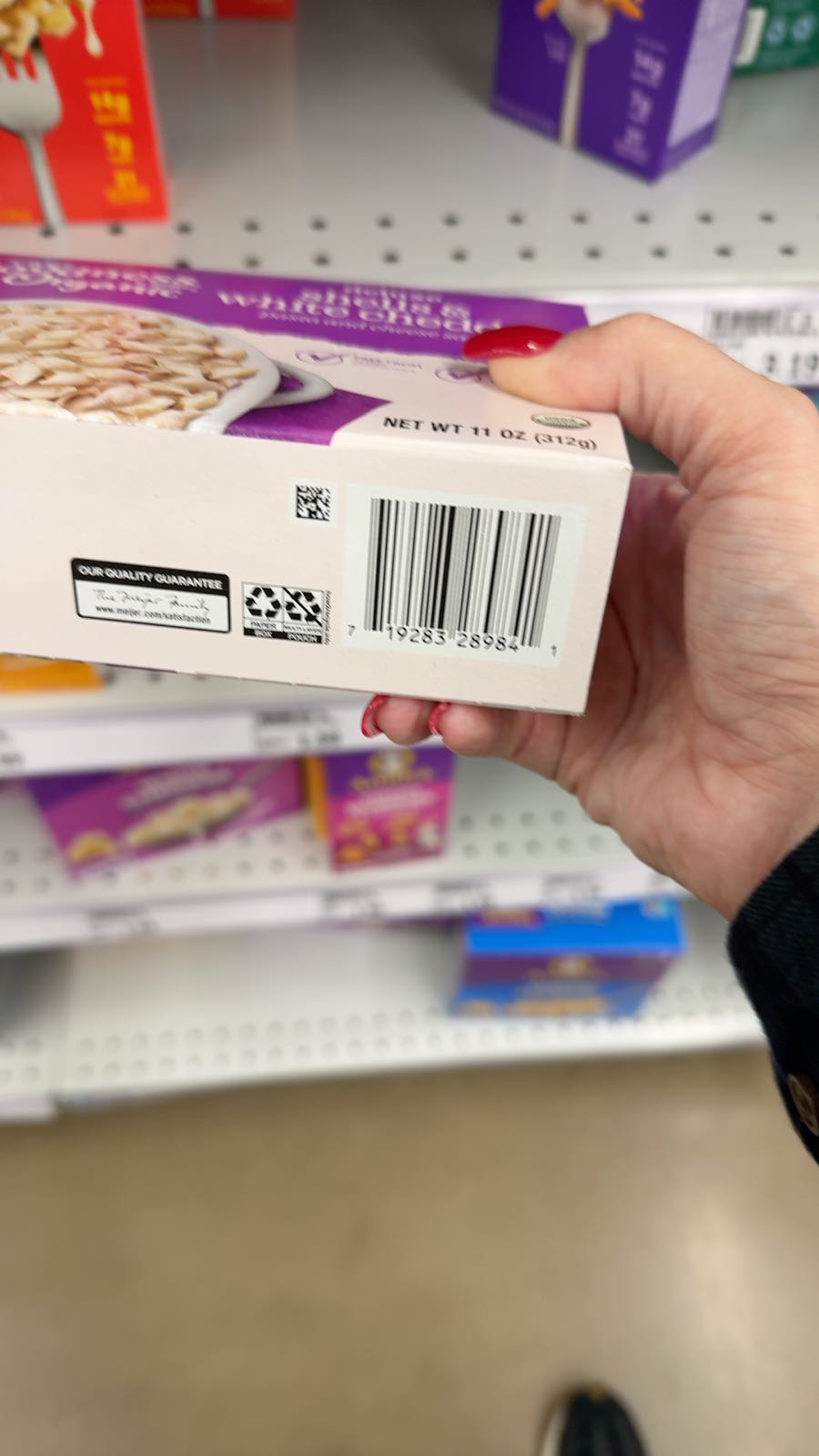


ORGANIC SHELLS & WHITE CHEDDAR PASTA WITH CHEESE SAUCE
Analysis updated October 2026 · How Scout scores
At a glance
Summary
This product contains beneficial ingredients like organic durum wheat semolina, organic whey, and organic cheddar cheese, which provide quality nutrients. However, it is heavily processed, containing additives such as sodium phosphate and natural flavors, which can contribute to high sodium intake and lack transparency. The presence of organic sunflower oil, a seed oil, further impacts the healthiness due to its high omega-6 fatty acid content, which can promote inflammation.
Key ingredients 12
Organic durum wheat semolinaGood
Organic durum wheat semolina is a high-quality source of carbohydrates and protein. Being organic, it is free from synthetic pesticides and fertilizers. It provides essential nutrients and energy for the body.
Risks
Contains gluten, which may cause issues for individuals with celiac disease or gluten sensitivity.
Benefits
Provides a good source of energy and essential nutrients like protein and fiber.
Organic wheyGood
Organic whey is a high-quality protein derived from milk. It contains all essential amino acids and is easily digestible. Being organic, it is free from synthetic hormones and antibiotics.
Risks
May cause allergic reactions in individuals with dairy allergies.
Benefits
Excellent source of protein that supports muscle growth and repair.
Organic cheddar cheeseGood
Organic cheddar cheese is a rich source of calcium and protein. It is made from organic milk, ensuring no synthetic hormones or antibiotics are used. Cheese cultures and enzymes contribute to its nutritional profile.
Risks
High in saturated fats, which should be consumed in moderation to avoid cardiovascular issues.
Benefits
Provides calcium for bone health and protein for muscle maintenance.
SaltNeutral
Salt is used to enhance flavor and preserve food. It is a common ingredient in processed foods. Excessive consumption can lead to health issues like hypertension.
Risks
High sodium intake is linked to increased blood pressure and cardiovascular disease.
Benefits
Essential for maintaining fluid balance and nerve function in the body.
Organic wheat flourNeutral
Organic wheat flour is a basic ingredient used in many foods. It is free from synthetic pesticides and fertilizers. Provides carbohydrates and some protein.
Risks
Contains gluten, which may cause issues for individuals with celiac disease or gluten sensitivity.
Benefits
Provides energy and some essential nutrients.
Organic nonfat dry milkNeutral
Organic nonfat dry milk is a dehydrated form of milk that retains most nutrients. It is free from synthetic hormones and antibiotics. Provides protein and calcium.
Risks
May cause allergic reactions in individuals with dairy allergies.
Benefits
Good source of calcium and protein without added fat.
Organic cornstarchNeutral
Organic cornstarch is used as a thickening agent in foods. It is derived from organic corn, ensuring no GMOs or synthetic pesticides. Provides carbohydrates but lacks significant nutrients.
Benefits
Useful for thickening sauces and improving texture.
Lactic acid powderNeutral
Lactic acid powder is used to add acidity and preserve food. It is generally recognized as safe and is naturally occurring. Provides no significant nutritional value.
Benefits
Helps preserve food and enhance flavor.
Citric acidNeutral
Citric acid is used as a preservative and flavor enhancer. It is naturally found in citrus fruits and is generally recognized as safe. Provides no significant nutritional value.
Benefits
Helps preserve food and enhance flavor.
Natural flavorsBad
Natural flavors are often used to enhance taste but lack transparency in their composition. They can contain a variety of chemicals derived from natural sources. The lack of disclosure can be concerning for those with allergies or sensitivities.
Risks
Potential allergen risk due to undisclosed ingredients.
Sodium phosphateBad
Sodium phosphate is used as an emulsifier and preservative in processed foods. It can contribute to high sodium intake. Excessive consumption may lead to health issues.
Risks
High intake can lead to imbalances in phosphate levels and affect kidney function.
Organic sunflower oilVery Bad
Organic sunflower oil is a seed oil high in omega-6 fatty acids. Despite being organic, it is still processed and can contribute to inflammation. High omega-6 content is a concern for health.
Risks
High omega-6 content may promote inflammation when consumed in excess.
Processing
Ultra-Processed Foods
Get the full breakdown in the Scout appTake Scout shopping
Scan any product to see lab results, healthy alternatives, and your personalized analysis.
Download on theApp Store GET IT ONGoogle Play