

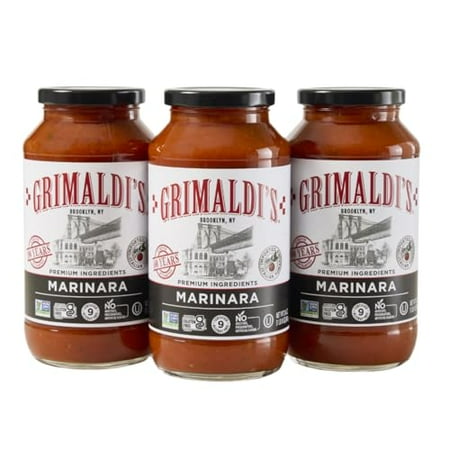


At a glance
Summary
This pasta product contains beneficial ingredients like tomato puree, diced tomatoes, and durum wheat semolina, which provide vitamins, antioxidants, and protein. However, the presence of refined sugar and soybean oil, a highly processed seed oil, detracts from its healthiness. The product is moderately processed, which limits its score despite some nutritious components.
Key ingredients 14
Tomato PureeGood
Tomato puree is a concentrated source of tomatoes, providing a rich supply of vitamins and antioxidants. It is minimally processed, retaining most of the nutritional benefits of fresh tomatoes. The puree is a good source of lycopene, which has been linked to reduced risk of certain diseases.
Benefits
Rich in vitamins A and C, and antioxidants like lycopene, which may support heart health and reduce inflammation.
Diced TomatoesGood
Diced tomatoes are a minimally processed ingredient that retains the nutritional profile of fresh tomatoes. They are a good source of vitamins and antioxidants. The presence of fiber and lycopene contributes to their health benefits.
Benefits
Provides vitamins A and C, fiber, and lycopene, which may support immune function and reduce oxidative stress.
Dried OnionGood
Dried onion is a dehydrated form of onion that retains much of its nutritional value, including vitamins and antioxidants. It is minimally processed and adds flavor without significant calories. Onions contain quercetin, an antioxidant that may reduce inflammation.
Benefits
Provides antioxidants and vitamins that may support immune health and reduce inflammation.
SpicesGood
Spices are natural flavor enhancers that can provide various health benefits depending on the specific spices used. They are minimally processed and can contain antioxidants and anti-inflammatory compounds. Spices like turmeric and black pepper are known for their health-promoting properties.
Benefits
May provide antioxidants and anti-inflammatory benefits, enhancing overall health.
Dried GarlicGood
Dried garlic retains the health benefits of fresh garlic, including its antioxidant and anti-inflammatory properties. It is minimally processed and can support heart health. Garlic contains allicin, which has been linked to reduced blood pressure and cholesterol levels.
Benefits
Rich in antioxidants and may support cardiovascular health by reducing blood pressure and cholesterol.
NiacinGood
Niacin, also known as vitamin B3, is essential for energy metabolism and maintaining healthy skin and nerves. It is often added to foods to enhance nutritional value. Niacin can help lower cholesterol levels and improve heart health.
Benefits
Supports energy metabolism and may help lower cholesterol levels, promoting heart health.
IronGood
Iron is a crucial mineral for oxygen transport in the blood and energy production. It is often added to foods to prevent deficiencies, especially in populations at risk. Adequate iron intake supports immune function and cognitive development.
Risks
Excessive iron intake can lead to toxicity, but this is rare from food sources alone.
Benefits
Essential for oxygen transport and energy production, supporting overall health and vitality.
Thiamin MononitrateGood
Thiamin mononitrate is a form of vitamin B1, essential for energy metabolism and nerve function. It is commonly added to foods to prevent deficiencies. Thiamin supports carbohydrate metabolism and is crucial for brain health.
Benefits
Supports energy metabolism and nerve function, contributing to overall health.
RiboflavinGood
Riboflavin, or vitamin B2, is important for energy production and cellular function. It is often added to foods to enhance nutritional content. Riboflavin supports skin health and helps convert food into energy.
Benefits
Essential for energy production and maintaining healthy skin and eyes.
SaltNeutral
Salt is a common seasoning used to enhance flavor but provides no additional nutritional benefits. It is a refined product and lacks trace minerals found in unrefined salts. Excessive consumption can lead to health issues such as hypertension.
Risks
Excessive intake can contribute to high blood pressure and cardiovascular diseases.
Durum Wheat SemolinaNeutral
Standard formulation ingredient — neither beneficial nor harmful at typical use.
Risks
Contains gluten, which may be a concern for individuals with celiac disease or gluten sensitivity.
Benefits
Provides complex carbohydrates and protein, supporting energy levels and muscle maintenance.
Folic AcidNeutral
Standard formulation ingredient — neither beneficial nor harmful at typical use.
Benefits
Supports DNA synthesis and cell division, crucial for fetal development and overall health.
SugarBad
Refined sugar is a source of empty calories and can contribute to various health issues when consumed in excess. It is highly processed and lacks nutritional benefits. Excessive intake is linked to obesity, diabetes, and heart disease.
Risks
High consumption can lead to weight gain, increased risk of type 2 diabetes, and dental cavities.
Soybean OilVery Bad
Soybean oil is a seed oil high in omega-6 fatty acids, which can promote inflammation if consumed in excess. It is highly processed and often extracted using chemical solvents. The imbalance of omega-6 to omega-3 fatty acids is a concern for heart health.
Risks
High omega-6 content may promote inflammation and increase the risk of chronic diseases when consumed in large amounts.
Processing
Processed Foods
Get the full breakdown in the Scout appTake Scout shopping
Scan any product to see lab results, healthy alternatives, and your personalized analysis.
Download on theApp Store GET IT ONGoogle Play