


At a glance
Summary
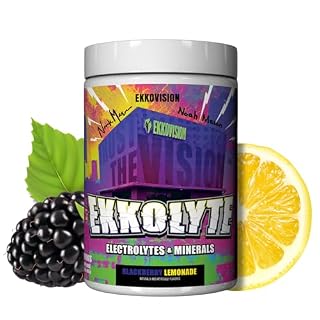
This electrolyte supplement uses a clean sweetener blend of allulose, Reb-M, and monk fruit extract, which are natural non-caloric sweeteners. The product avoids artificial dyes and sweeteners, which are common concerns in similar products. However, the use of 'natural flavors' introduces some uncertainty due to the lack of transparency in their composition, slightly impacting the overall score.
Key ingredients 6
Monk Fruit ExtractGood
Beneficial ingredient — whole-food or functional value in this product class.
Benefits
Monk fruit extract provides a natural, calorie-free sweetening option, suitable for those reducing sugar consumption.
AlluloseNeutral
Standard formulation ingredient — neither beneficial nor harmful at typical use.
Risks
Excessive consumption may lead to gastrointestinal discomfort in some individuals.
Benefits
Allulose provides sweetness without the calories, making it a useful ingredient for those managing calorie intake.
Reb-MNeutral
Reb-M is a steviol glycoside derived from the stevia plant, used as a natural sweetener. It is known for its high sweetness intensity and minimal aftertaste compared to other stevia extracts. It is processed to isolate the specific glycoside, which is considered safe for consumption.
Benefits
Reb-M offers a natural, zero-calorie sweetening option, beneficial for reducing sugar intake.
Citric AcidNeutral
Citric acid is a natural acid found in citrus fruits, commonly used as a preservative and flavor enhancer. It is produced through fermentation processes in commercial applications. It helps maintain product stability and enhances flavor.
Risks
Excessive consumption may cause dental erosion or gastrointestinal discomfort.
Benefits
Citric acid enhances flavor and preserves freshness in food products.
Silicon DioxideNeutral
Silicon dioxide is an anti-caking agent used to prevent clumping in powdered products. It is naturally occurring and considered safe for consumption in small amounts. It is widely used in the food industry for its functional properties.
Benefits
Silicon dioxide helps maintain the free-flowing nature of powdered products, ensuring consistent quality.
Natural FlavorsBad
Natural flavors are a broad category of flavoring agents derived from natural sources but can be highly processed. They often lack transparency regarding their specific composition. The term 'natural' does not necessarily imply health benefits or minimal processing.
Risks
Potential allergens or sensitivities may be present due to undisclosed ingredients.
Processing
Processed Foods
Get the full breakdown in the Scout appTake Scout shopping
Scan any product to see lab results, healthy alternatives, and your personalized analysis.
Download on theApp Store GET IT ONGoogle Play