


sugar free electrolyte concentrate (lemon hydration)
Analysis updated July 2026 · How Scout scores
At a glance
Summary
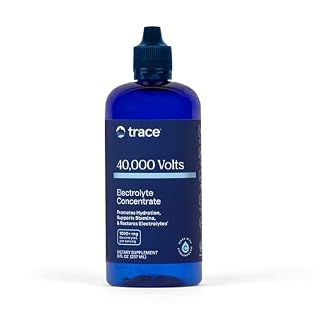
This sugar-free electrolyte concentrate features high-quality ingredients like magnesium glycinate, sodium citrate, and potassium citrate, which are beneficial for hydration and muscle function. The use of stevia as a natural sweetener is a positive aspect, avoiding artificial sweeteners. However, the presence of 'natural flavour' introduces some concern due to its lack of transparency, although it is not a major red flag in this context.
Key ingredients 9
Magnesium GlycinateVery Good
Magnesium glycinate is a highly bioavailable form of magnesium, crucial for muscle and nerve function. It is known for its calming effects and is less likely to cause digestive upset compared to other forms. It is a premium ingredient in supplements.
Benefits
Supports muscle relaxation, nerve function, and overall well-being.
Sodium CitrateGood
Sodium citrate acts as an electrolyte and helps maintain pH balance. It is beneficial for hydration and muscle function. It is a well-tolerated ingredient in electrolyte supplements.
Risks
Excessive intake may lead to sodium imbalance.
Benefits
Supports hydration and electrolyte balance, crucial for muscle function.
Potassium CitrateGood
Potassium citrate is an important electrolyte that supports heart and muscle function. It helps prevent kidney stones and balances acidity in the body. It is a high-quality ingredient in electrolyte supplements.
Risks
High doses may cause hyperkalemia, especially in individuals with kidney issues.
Benefits
Essential for maintaining electrolyte balance and supporting cardiovascular health.
WaterNeutral
Water is a neutral ingredient that serves as a base for the solution. It is essential for dissolving other ingredients and facilitating hydration. No significant processing concerns are associated with water in this context.
See more about Water →Citric AcidNeutral
Citric acid is used as a preservative and to add a sour taste. It is naturally found in citrus fruits and is generally recognized as safe. It can enhance flavor without significant health concerns.
Risks
Excessive consumption may cause tooth enamel erosion.
Stevia ExtractNeutral
Stevia extract is a natural, zero-calorie sweetener derived from the stevia plant. It is used to provide sweetness without calories or sugar. It is generally considered safe and does not affect blood sugar levels.
Benefits
Provides sweetness without calories, beneficial for those managing sugar intake.
Natural FlavourBad
Natural flavour is a vague term that can encompass a wide range of substances. It lacks transparency and may include additives not disclosed on the label. This lack of specificity is a concern for those monitoring ingredient quality.
Risks
Potential for undisclosed additives or allergens.
Sodium BenzoateBad
Synthetic preservative that can form benzene in the presence of vitamin C.
Risks
May form benzene, a carcinogen, when combined with vitamin C.
Potassium SorbateBad
Synthetic preservative — flagged in daily-use products.
See more about Potassium Sorbate →Processing
Processed Culinary Ingredients
Get the full breakdown in the Scout appTake Scout shopping
Scan any product to see lab results, healthy alternatives, and your personalized analysis.
Download on theApp Store GET IT ONGoogle Play