
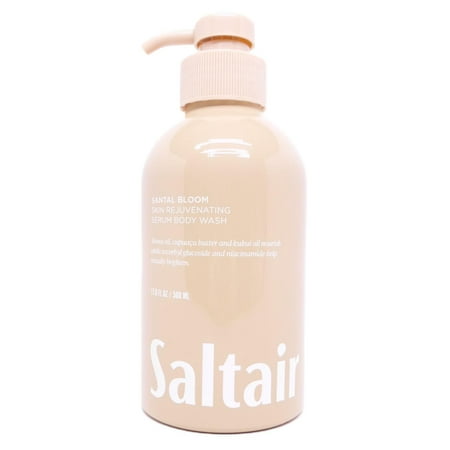
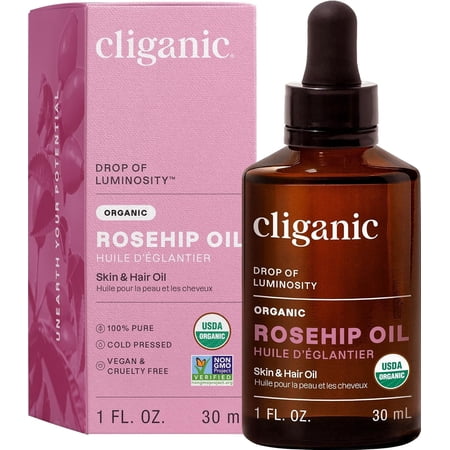
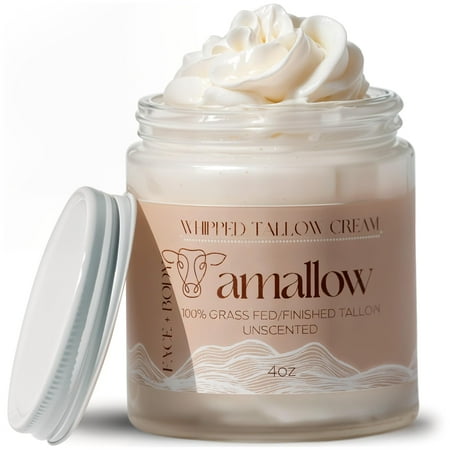
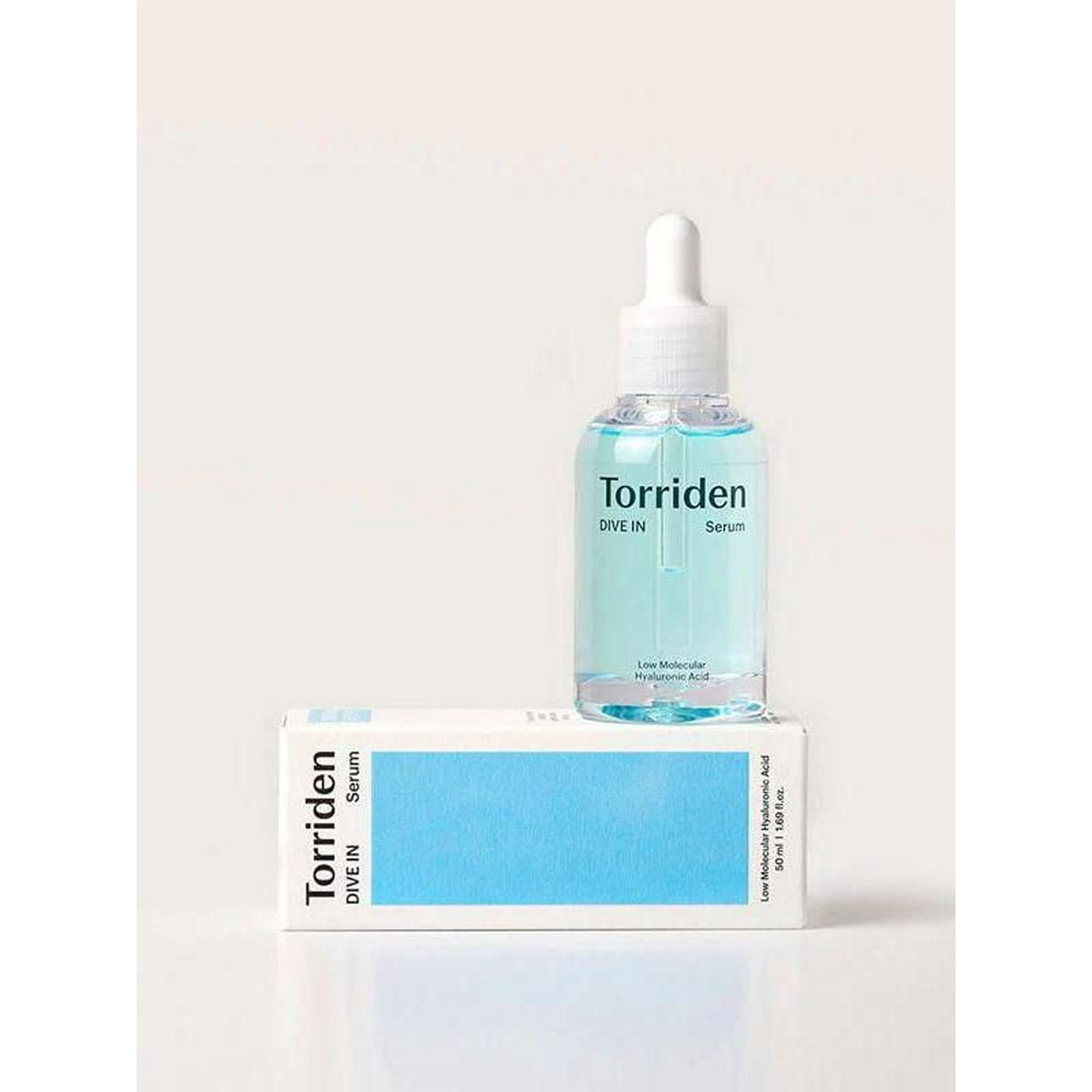
Saltair Skin Rejuvenating Serum Body Wash - Sental Bloom - 17 fl. oz. (500mL)
Analysis updated August 2026 · How Scout scores
At a glance
Summary
This body wash contains beneficial ingredients like Theobroma Grandiflorum Seed Butter and Niacinamide, which provide hydration and improve skin texture. However, it also includes Sodium C14-C16 Olefin Sulfonate, which can be harsh on the skin, and Phenoxyethanol, a preservative that may cause irritation. The presence of 'Fragrance' adds to potential allergen concerns, impacting the overall safety and cleanliness of the formulation.
Key ingredients 29
Theobroma Grandiflorum Seed ButterVery Good
Theobroma Grandiflorum Seed Butter, also known as Cupuaçu butter, is a natural emollient. It is rich in fatty acids and provides excellent moisturizing properties. It helps improve skin elasticity and hydration.
Risks
Minimal risk of allergic reactions.
Benefits
Deeply moisturizes and nourishes the skin.
Aleurites Moluccana Seed OilVery Good
Aleurites Moluccana Seed Oil, also known as Kukui nut oil, is rich in essential fatty acids. It is known for its moisturizing and soothing properties. It helps to repair and protect the skin barrier.
Risks
Minimal risk of allergic reactions.
Benefits
Moisturizes and soothes dry, irritated skin.
Ascorbyl GlucosideVery Good
Ascorbyl Glucoside is a stable form of Vitamin C used for its antioxidant properties. It helps brighten the skin and reduce signs of aging. It is less irritating than pure Vitamin C.
Risks
Minimal risk of irritation compared to other forms of Vitamin C.
Benefits
Brightens skin and provides antioxidant protection.
Sodium PCAVery Good
Sodium PCA is a natural component of the skin's natural moisturizing factor. It helps maintain skin hydration by attracting moisture. It is non-irritating and suitable for all skin types.
Benefits
Helps maintain skin hydration and softness.
Olea Europaea (Olive) Fruit OilVery Good
Olive oil is rich in antioxidants and essential fatty acids. It provides deep moisturization and helps protect the skin barrier. It is well-tolerated and beneficial for dry skin.
Risks
Minimal risk of allergic reactions.
Benefits
Deeply moisturizes and protects the skin.
Helianthus Annuus (Sunflower) Seed OilVery Good
Sunflower seed oil is a non-comedogenic oil rich in Vitamin E. It helps moisturize and soothe the skin without clogging pores. It is suitable for all skin types and provides antioxidant benefits.
Risks
Minimal risk of allergic reactions.
Benefits
Moisturizes and provides antioxidant protection.
Argania Spinosa Kernel OilVery Good
Argan oil is rich in essential fatty acids and Vitamin E. It provides deep moisturization and helps improve skin elasticity. It is suitable for all skin types and offers antioxidant benefits.
Risks
Minimal risk of allergic reactions.
Benefits
Deeply moisturizes and improves skin elasticity.
Plumeria Acutifolia Flower ExtractGood
Plumeria Acutifolia Flower Extract is used for its fragrance and potential antioxidant properties. It can help soothe and refresh the skin. It is generally well-tolerated in cosmetic formulations.
Risks
Potential for allergic reactions in sensitive individuals.
Benefits
Provides a pleasant fragrance and may offer antioxidant benefits.
NiacinamideGood
Niacinamide is a form of Vitamin B3 that offers multiple skin benefits. It helps improve skin texture, reduce redness, and enhance barrier function. It is well-tolerated and suitable for most skin types.
Risks
Rarely causes mild irritation in sensitive skin.
Benefits
Improves skin texture and reduces redness.
Magnesium PCAGood
Magnesium PCA is a mineral salt that helps maintain skin hydration. It is known for its soothing and anti-inflammatory properties. It is generally well-tolerated in skincare formulations.
Benefits
Helps soothe and hydrate the skin.
Zinc PCAGood
Zinc PCA is known for its sebum-regulating and antimicrobial properties. It helps reduce acne and control oil production. It is suitable for oily and acne-prone skin.
Benefits
Helps control oil production and reduce acne.
Lithospermum Erythrorhizon Root ExtractGood
This extract is used for its anti-inflammatory and soothing properties. It helps calm irritated skin and reduce redness. It is generally well-tolerated in skincare formulations.
Risks
Potential for allergic reactions in sensitive individuals.
Benefits
Calms and soothes irritated skin.
Glycyrrhiza Uralensis (Licorice) Root ExtractGood
Licorice root extract is known for its skin brightening and anti-inflammatory properties. It helps reduce hyperpigmentation and soothe irritated skin. It is suitable for sensitive skin types.
Risks
Potential for allergic reactions in sensitive individuals.
Benefits
Brightens skin and reduces inflammation.
Sodium HyaluronateGood
Sodium Hyaluronate is a form of hyaluronic acid known for its excellent hydrating properties. It helps retain moisture in the skin, making it plump and smooth. It is suitable for all skin types and is non-irritating.
Benefits
Deeply hydrates and plumps the skin.
WaterNeutral
Water is a common solvent used in cosmetic formulations. It helps dissolve other ingredients and provides a base for the product. It does not have any direct benefits or risks.
Benefits
Provides a medium for other ingredients to be delivered to the skin.
Cocamidopropyl BetaineNeutral
Cocamidopropyl Betaine is a mild surfactant derived from coconut oil. It is used to create foam and cleanse the skin. It is generally considered safe but can cause irritation in some individuals.
Risks
Potential skin irritation or allergic reactions in sensitive individuals.
Benefits
Provides gentle cleansing and foaming properties.
Angelica Gigas Root ExtractNeutral
Angelica Gigas Root Extract is used for its potential antioxidant properties. It may help protect the skin from environmental damage. Its effects in skincare are not well-documented.
Risks
Limited research on its effects in skincare.
Benefits
May offer antioxidant protection.
Manganese PCANeutral
Manganese PCA is used for its potential antioxidant and moisturizing properties. It helps maintain skin hydration and may protect against oxidative stress. Its effects in skincare are not well-documented.
Risks
Limited research on its effects in skincare.
Benefits
May help maintain skin hydration.
Gardenia Jasminoides Fruit ExtractNeutral
Gardenia Jasminoides Fruit Extract is used for its fragrance and potential antioxidant properties. It may help soothe the skin and provide a pleasant scent. Its effects in skincare are not well-documented.
Risks
Potential for allergic reactions in sensitive individuals.
Benefits
May offer antioxidant benefits and a pleasant fragrance.
Sodium Cocoyl IsethionateNeutral
Sodium Cocoyl Isethionate is a mild surfactant derived from coconut oil. It is used for its cleansing and foaming properties. It is generally considered safe and non-irritating.
Risks
Low risk of irritation compared to harsher surfactants.
Benefits
Provides gentle cleansing and foaming properties.
PEG-150 DistearateNeutral
PEG-150 Distearate is used as a thickener and emulsifier in cosmetic formulations. It helps improve product texture and stability. It is generally considered safe but can be contaminated with impurities.
Risks
Potential contamination with impurities during manufacturing.
Benefits
Improves product texture and stability.
Citric AcidNeutral
Citric Acid is used to adjust the pH of cosmetic formulations. It can also provide mild exfoliation and antioxidant benefits. It is generally well-tolerated but can cause irritation in sensitive skin.
Risks
May cause irritation in sensitive skin.
Benefits
Helps adjust pH and provides mild exfoliation.
Tetrasodium Glutamate DiacetateNeutral
Tetrasodium Glutamate Diacetate is a chelating agent used to enhance the efficacy of preservatives. It helps stabilize formulations and improve product shelf life. It is generally considered safe in cosmetic products.
Benefits
Enhances preservative efficacy and stabilizes formulations.
MaltodextrinNeutral
Maltodextrin is used as a binding and stabilizing agent in cosmetic formulations. It helps improve product texture and consistency. It is generally considered safe and non-irritating.
Benefits
Improves product texture and consistency.
Sodium C14-C16 Olefin SulfonateBad
Sodium C14-C16 Olefin Sulfonate is a surfactant used for its cleansing properties. It can be harsh on the skin, stripping away natural oils. It is considered less irritating than SLS but still poses a risk of irritation.
Risks
May cause skin dryness and irritation.
Benefits
Effective at removing dirt and oil from the skin.
Candida Bombicola/Glucose/Methyl Rapeseedate FermentBad
Processed additive flagged under Scout's ingredient doctrine.
Risks
Low risk of irritation or allergic reactions.
Benefits
Enhances skin hydration and texture.
PhenoxyethanolBad
Phenoxyethanol is a preservative used to prevent microbial growth. It can cause skin irritation and allergic reactions in some individuals. It is considered safer than parabens but still poses a risk.
Risks
May cause skin irritation and allergic reactions.
Benefits
Prevents microbial growth and extends product shelf life.
Sodium BenzoateBad
Synthetic preservative that can form benzene in the presence of vitamin C.
Risks
May cause irritation in sensitive individuals.
Benefits
Prevents microbial growth and extends product shelf life.
Fragrance (Parfum)Very Bad
Fragrance is used to provide a pleasant scent to cosmetic products. It can cause skin irritation and allergic reactions in sensitive individuals. It is often a mixture of undisclosed chemicals, which can be concerning.
Risks
May cause skin irritation and allergic reactions.
Benefits
Provides a pleasant scent to the product.
Processing
Processed Foods
Get the full breakdown in the Scout appTake Scout shopping
Scan any product to see lab results, healthy alternatives, and your personalized analysis.
Download on theApp Store GET IT ONGoogle Play