




Creating
Analysis updated July 2026 · How Scout scores
At a glance
Summary
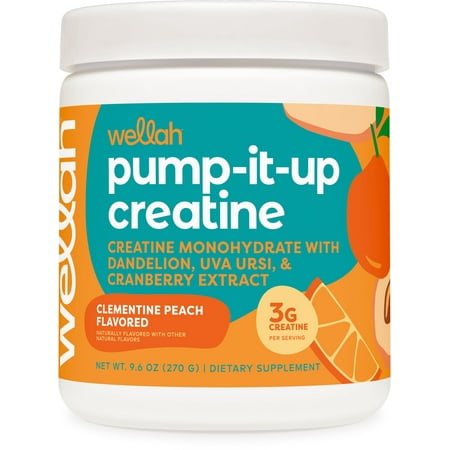
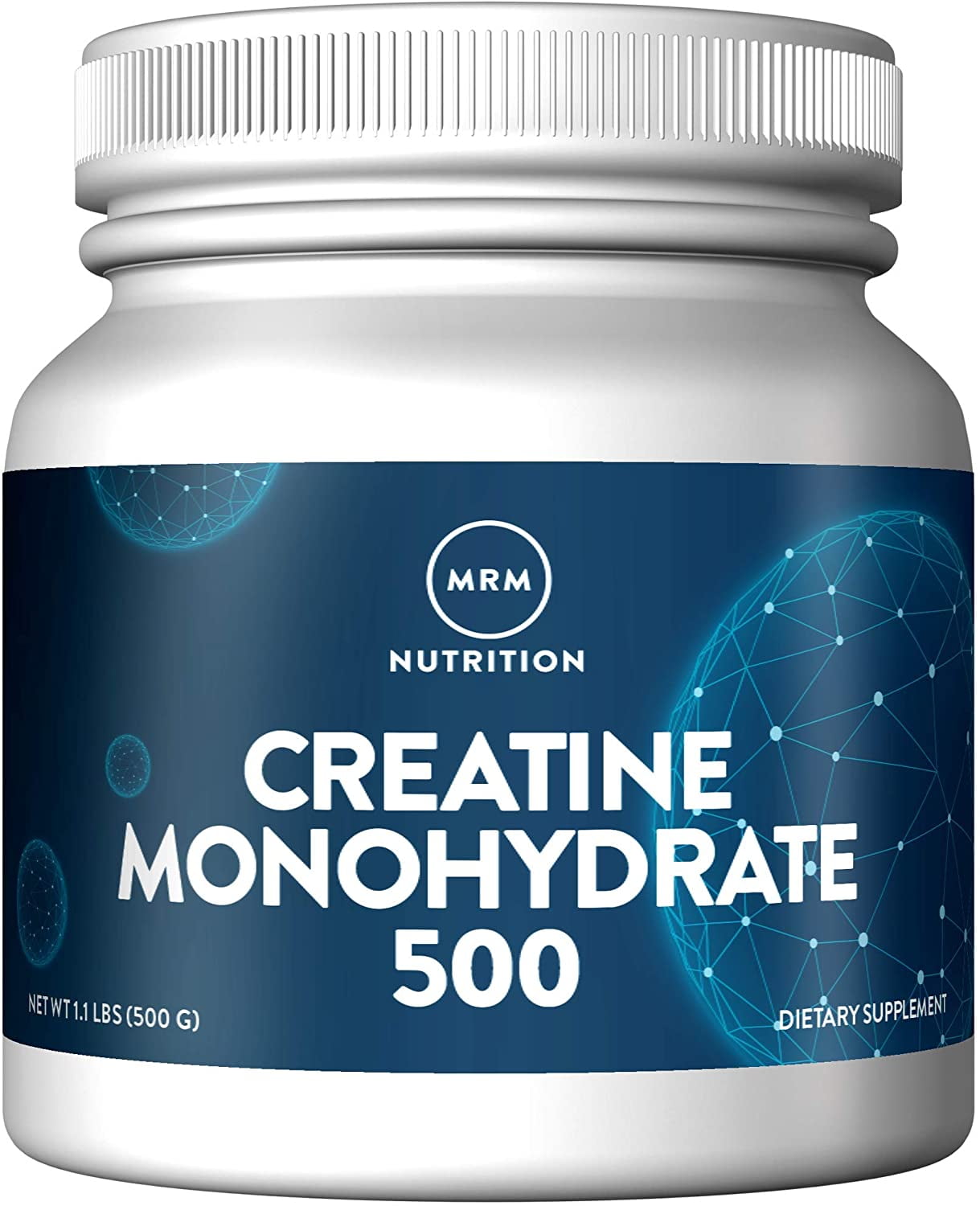
This creatine supplement includes beneficial ingredients like creatine monohydrate and fulvic mineral complex, which support muscle performance and nutrient absorption. However, the presence of artificial flavors and sucralose, an artificial sweetener, detracts from its overall health profile due to potential concerns about their long-term health effects. The use of natural colorant blue spirulina is a positive aspect, but the inclusion of artificial additives impacts the overall score.
Key ingredients 10
Creatine MonohydrateVery Good
Creatine monohydrate is a highly effective supplement for increasing muscle mass, strength, and exercise performance. It is one of the most researched sports supplements with a strong safety profile. Its purity and effectiveness make it a staple in athletic and bodybuilding communities.
Benefits
Supports muscle growth, enhances strength, and improves exercise performance.
Fulvic Mineral ComplexGood
Fulvic mineral complex is known for its potential to enhance nutrient absorption and support detoxification. It contains trace minerals that can contribute to overall health. Its natural origin and potential health benefits make it a valuable addition to supplements.
Benefits
May improve nutrient absorption and support detoxification processes.
Blue SpirulinaGood
Blue spirulina is a natural colorant derived from algae, known for its antioxidant properties. It provides a vibrant color without the use of artificial dyes. Its natural origin and potential health benefits make it a preferable choice for coloring.
Benefits
Rich in antioxidants and provides natural color.
Citric AcidNeutral
Citric acid is commonly used as a preservative and flavor enhancer in food products. It is naturally found in citrus fruits and is generally recognized as safe. Its role in this product is primarily functional, contributing to flavor and preservation.
Risks
Excessive consumption may cause gastrointestinal discomfort in sensitive individuals.
Malic AcidNeutral
Malic acid is used to enhance flavor and improve the taste profile of supplements. It is naturally present in many fruits and is considered safe for consumption. Its primary function in this product is to improve palatability.
Risks
High doses may cause digestive upset in some individuals.
Calcium SilicateNeutral
Calcium silicate is used as an anti-caking agent to prevent clumping in powdered products. It is generally recognized as safe and does not contribute any significant nutritional value. Its role is purely functional, ensuring product consistency.
See more about Calcium Silicate →Silicon DioxideNeutral
Silicon dioxide is commonly used as an anti-caking agent in food products. It is considered safe and does not affect the nutritional profile of the product. Its primary function is to maintain the free-flowing nature of powders.
See more about Silicon Dioxide →Natural FlavorsBad
Natural flavors are often used to enhance taste but can be vague in terms of their actual composition. They may contain a variety of compounds, some of which could be synthetic. The lack of transparency in their composition can be concerning for consumers seeking clean labels.
Risks
Potential for undisclosed synthetic additives or allergens.
Artificial FlavorsBad
Artificial flavors are synthetic compounds used to mimic natural flavors, often raising health concerns due to their chemical nature. They can contribute to an artificial taste and may have unknown long-term health effects. Their inclusion is generally discouraged in health-focused products.
Risks
May contain synthetic chemicals with potential health risks.
SucraloseBad
Sucralose is an artificial sweetener used to provide sweetness without calories. While it is FDA-approved, concerns exist about its potential impact on gut health and insulin response. Its artificial nature and potential health impacts make it less desirable in health supplements.
Risks
May affect gut microbiota and insulin sensitivity.
Benefits
Provides sweetness without adding calories.
Processing
Ultra-Processed Foods
Get the full breakdown in the Scout appTake Scout shopping
Scan any product to see lab results, healthy alternatives, and your personalized analysis.
Download on theApp Store GET IT ONGoogle PlayAmazon pricing & content
Amazon price as of . Product prices and availability are accurate as of the date/time indicated and are subject to change. Any price and availability information displayed on Amazon.com at the time of purchase will apply to the purchase of this product.
CERTAIN CONTENT THAT APPEARS ON THIS SITE COMES FROM AMAZON. THIS CONTENT IS PROVIDED “AS IS” AND IS SUBJECT TO CHANGE OR REMOVAL AT ANY TIME.