


At a glance
Summary
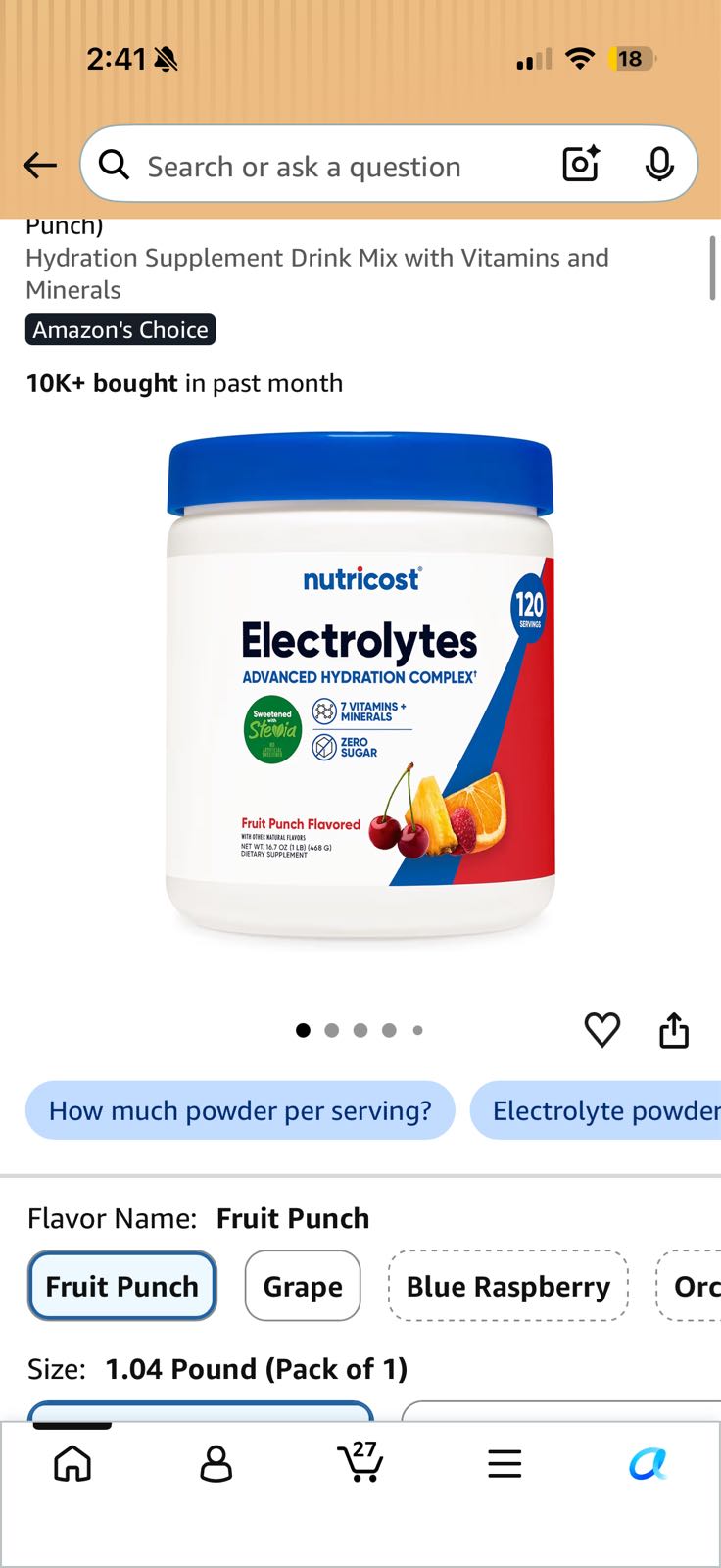
This electrolyte supplement contains beneficial minerals such as potassium, calcium, magnesium, and zinc, which are essential for hydration and overall health. The use of natural flavors is a minor concern due to the lack of transparency, but the product avoids artificial sweeteners and dyes, maintaining a clean formulation. The inclusion of stevia as a natural sweetener is a positive aspect, contributing to a well-balanced electrolyte blend.
Key ingredients 13
Vitamin B5Good
Vitamin B5, also known as pantothenic acid, is essential for synthesizing coenzyme A, which is crucial for fatty acid metabolism. It supports energy production and is vital for maintaining healthy skin and hair. This vitamin is generally well-tolerated and beneficial for overall health.
Benefits
Supports energy metabolism and contributes to the synthesis of essential coenzymes.
PotassiumGood
Potassium is a vital mineral that helps maintain fluid balance, nerve function, and muscle contractions. It is crucial for cardiovascular health and can help lower blood pressure. Potassium is an essential electrolyte that supports hydration and overall health.
Risks
Excessive intake can lead to hyperkalemia, which may cause heart issues.
Benefits
Essential for maintaining electrolyte balance and supporting heart health.
CalciumGood
Calcium is essential for bone health and plays a critical role in muscle function and nerve signaling. It is necessary for maintaining strong bones and teeth. Adequate calcium intake is important for preventing osteoporosis.
Risks
Excessive calcium intake can lead to kidney stones and impaired absorption of other minerals.
Benefits
Supports bone health and is crucial for muscle and nerve function.
MagnesiumGood
Magnesium is a crucial mineral involved in over 300 biochemical reactions in the body, including energy production and muscle function. It supports cardiovascular health and helps regulate blood pressure. Magnesium is important for maintaining normal muscle and nerve function.
Risks
High doses can cause diarrhea and abdominal cramping.
Benefits
Supports muscle and nerve function and is essential for energy production.
ZincGood
Zinc is an essential trace element that supports immune function, wound healing, and DNA synthesis. It plays a role in cell division and growth. Zinc is important for maintaining a healthy immune system and overall health.
Risks
Excessive zinc intake can lead to nausea and interfere with copper absorption.
Benefits
Supports immune function and is essential for DNA synthesis and cell growth.
L-malic acidNeutral
L-malic acid is a naturally occurring compound found in fruits and is used as a flavor enhancer and acidity regulator. It is generally recognized as safe and is commonly used in food products. L-malic acid contributes to the tart taste of fruits and is used in supplements for its potential energy-boosting properties.
Benefits
May support energy production and enhance flavor.
Citric acidNeutral
Citric acid is a natural preservative and flavoring agent found in citrus fruits. It is commonly used to enhance flavor and preserve freshness in food and beverages. Citric acid is generally recognized as safe and is widely used in the food industry.
Risks
Excessive consumption may cause tooth enamel erosion.
Benefits
Enhances flavor and acts as a natural preservative.
Reb MNeutral
Reb M is a steviol glycoside derived from the stevia plant, used as a natural, zero-calorie sweetener. It is considered safe and does not significantly impact blood sugar levels. Reb M is a preferred stevia extract due to its reduced bitterness compared to other steviol glycosides.
Benefits
Provides sweetness without calories or significant impact on blood sugar.
Calcium silicateNeutral
Calcium silicate is an anti-caking agent used to prevent clumping in powdered products. It is generally recognized as safe and is commonly used in food processing. Calcium silicate helps maintain the free-flowing nature of powdered supplements.
Benefits
Prevents clumping and maintains product consistency.
Grape powderNeutral
Grape powder is derived from grapes and used for flavoring and potential antioxidant benefits. It is a natural ingredient that can contribute to the flavor profile of products. Grape powder may provide some antioxidant properties due to its polyphenol content.
Benefits
May offer antioxidant benefits and enhances flavor.
SteviaNeutral
Stevia is a natural sweetener derived from the leaves of the Stevia rebaudiana plant. It is calorie-free and does not affect blood sugar levels, making it a popular sugar substitute. Stevia is widely used for its sweetness without the caloric impact of sugar.
Benefits
Provides sweetness without calories or impact on blood sugar levels.
Dicalcium phosphateNeutral
Dicalcium phosphate is used as a dietary supplement and a source of calcium and phosphorus. It is commonly used in food processing as a leavening agent and to enhance nutritional content. Dicalcium phosphate is generally recognized as safe and contributes to bone health.
Benefits
Provides calcium and phosphorus, supporting bone health.
Natural flavorsBad
Natural flavors are a broad category that can include a variety of substances derived from natural sources. They are often used to enhance taste but lack transparency regarding their specific composition. The use of natural flavors can be concerning due to potential allergens and lack of disclosure.
Risks
Potential allergens and lack of transparency in ingredient composition.
Benefits
Enhances the flavor profile of products.
Processing
Processed Culinary Ingredients
Get the full breakdown in the Scout appTake Scout shopping
Scan any product to see lab results, healthy alternatives, and your personalized analysis.
Download on theApp Store GET IT ONGoogle Play