


At a glance
Summary
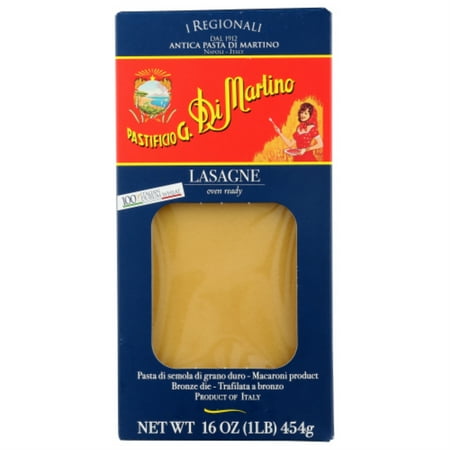
This lasagna product contains a mix of beneficial ingredients such as minced beef, tomato sauce, and olive oil, which contribute to its nutritional value. However, it is a processed food with added ingredients like semolina and enriched flour, which slightly detract from its overall healthiness. The presence of these processed components limits the score, despite the inclusion of high-quality ingredients.
Key ingredients 17
Olive oilVery Good
Olive oil is a high-quality source of monounsaturated fats and antioxidants. It supports heart health and has anti-inflammatory properties. Extra virgin olive oil is preferred for its higher nutrient content.
Benefits
Rich in healthy fats and antioxidants that support cardiovascular health.
Minced beefGood
Minced beef is a rich source of protein and essential nutrients like iron and B vitamins. It supports muscle growth and maintenance. Grass-fed beef is preferred for higher omega-3 content and better fat profile.
Risks
Excessive consumption of red meat may be linked to health issues such as heart disease.
Benefits
Rich in protein and essential nutrients, supporting muscle health and energy levels.
Tomato sauceGood
Tomato sauce is rich in lycopene, an antioxidant that may reduce the risk of certain diseases. It is typically made from cooked tomatoes, enhancing lycopene absorption. Homemade or low-sugar versions are preferable.
Risks
Commercial tomato sauces may contain added sugars and preservatives.
Benefits
Provides antioxidants like lycopene, which support heart health and may reduce cancer risk.
OnionGood
Onions are a natural source of vitamins, minerals, and antioxidants. They contain quercetin, which has anti-inflammatory properties. Onions add flavor and nutritional value to dishes.
Benefits
Rich in antioxidants and compounds that support immune health.
GarlicGood
Garlic is known for its potential health benefits, including antimicrobial and cardiovascular support. It contains allicin, which may help reduce blood pressure. Fresh garlic is more beneficial than processed forms.
Risks
May cause digestive discomfort in some individuals.
Benefits
Supports heart health and has antimicrobial properties.
Black pepperGood
Black pepper is a spice that adds flavor and contains piperine, which may enhance nutrient absorption. It has antioxidant properties. Freshly ground pepper is more beneficial than pre-ground.
Benefits
Enhances flavor and may improve nutrient absorption.
Italian herbsGood
Italian herbs like basil, oregano, and thyme add flavor and contain antioxidants. They may have anti-inflammatory and antimicrobial properties. Fresh herbs are more nutrient-dense than dried.
Benefits
Rich in antioxidants and may support immune health.
NiacinGood
Beneficial ingredient — whole-food or functional value in this product class.
Benefits
Supports energy metabolism and helps prevent vitamin B3 deficiency.
RiboflavinGood
Essential B vitamin — beneficial micronutrient.
Benefits
Supports energy production and helps prevent vitamin B2 deficiency.
Lasagna sheetsNeutral
Lasagna sheets are a staple in pasta dishes, providing carbohydrates. They are typically made from durum wheat, which is a good source of energy. However, they are refined and lack significant nutritional benefits beyond energy provision.
Risks
Refined carbohydrates can contribute to blood sugar spikes if consumed in excess.
Benefits
Provides a source of energy through carbohydrates.
SaltNeutral
Salt is used to enhance flavor and preserve food. It is a source of sodium, an essential mineral. Excessive intake can lead to health issues like hypertension.
Risks
High sodium intake is associated with increased blood pressure and cardiovascular risk.
Benefits
Essential for maintaining fluid balance and nerve function.
SemolinaNeutral
Semolina is a coarse flour made from durum wheat, used in pasta making. It provides carbohydrates and some protein. It is less refined than all-purpose flour but lacks significant nutritional benefits.
Risks
May contribute to blood sugar spikes if consumed in excess.
Benefits
Provides energy through carbohydrates and some protein.
Ferrous sulfateNeutral
Ferrous sulfate is an iron supplement used to fortify foods and prevent anemia. It is essential for oxygen transport in the blood. Fortification is important in diets lacking sufficient iron.
Risks
Excessive iron intake can cause gastrointestinal issues.
Benefits
Prevents iron deficiency anemia and supports oxygen transport.
Thiamin mononitrateNeutral
Thiamin mononitrate is a form of vitamin B1 used to fortify foods. It supports energy metabolism and nerve function. Fortification helps prevent deficiencies in processed foods.
Benefits
Supports energy metabolism and nerve health.
Folic acidNeutral
Folic acid is a synthetic form of vitamin B9 used to fortify foods. It is crucial for DNA synthesis and cell division. Fortification helps prevent neural tube defects in pregnancy.
Risks
Excessive intake may mask vitamin B12 deficiency.
Benefits
Supports DNA synthesis and prevents neural tube defects.
Durum wheat semolinaNeutral
Durum wheat semolina is a coarse flour used in pasta making, providing carbohydrates and some protein. It is less refined than all-purpose flour but lacks significant nutritional benefits.
Risks
May contribute to blood sugar spikes if consumed in excess.
Benefits
Provides energy through carbohydrates and some protein.
Durum wheat flourNeutral
Durum wheat flour is used in pasta making, providing carbohydrates and some protein. It is less refined than all-purpose flour but lacks significant nutritional benefits.
Risks
May contribute to blood sugar spikes if consumed in excess.
Benefits
Provides energy through carbohydrates and some protein.
Processing
Processed Foods
Get the full breakdown in the Scout appTake Scout shopping
Scan any product to see lab results, healthy alternatives, and your personalized analysis.
Download on theApp Store GET IT ONGoogle PlayAmazon pricing & content
CERTAIN CONTENT THAT APPEARS ON THIS SITE COMES FROM AMAZON. THIS CONTENT IS PROVIDED “AS IS” AND IS SUBJECT TO CHANGE OR REMOVAL AT ANY TIME.