


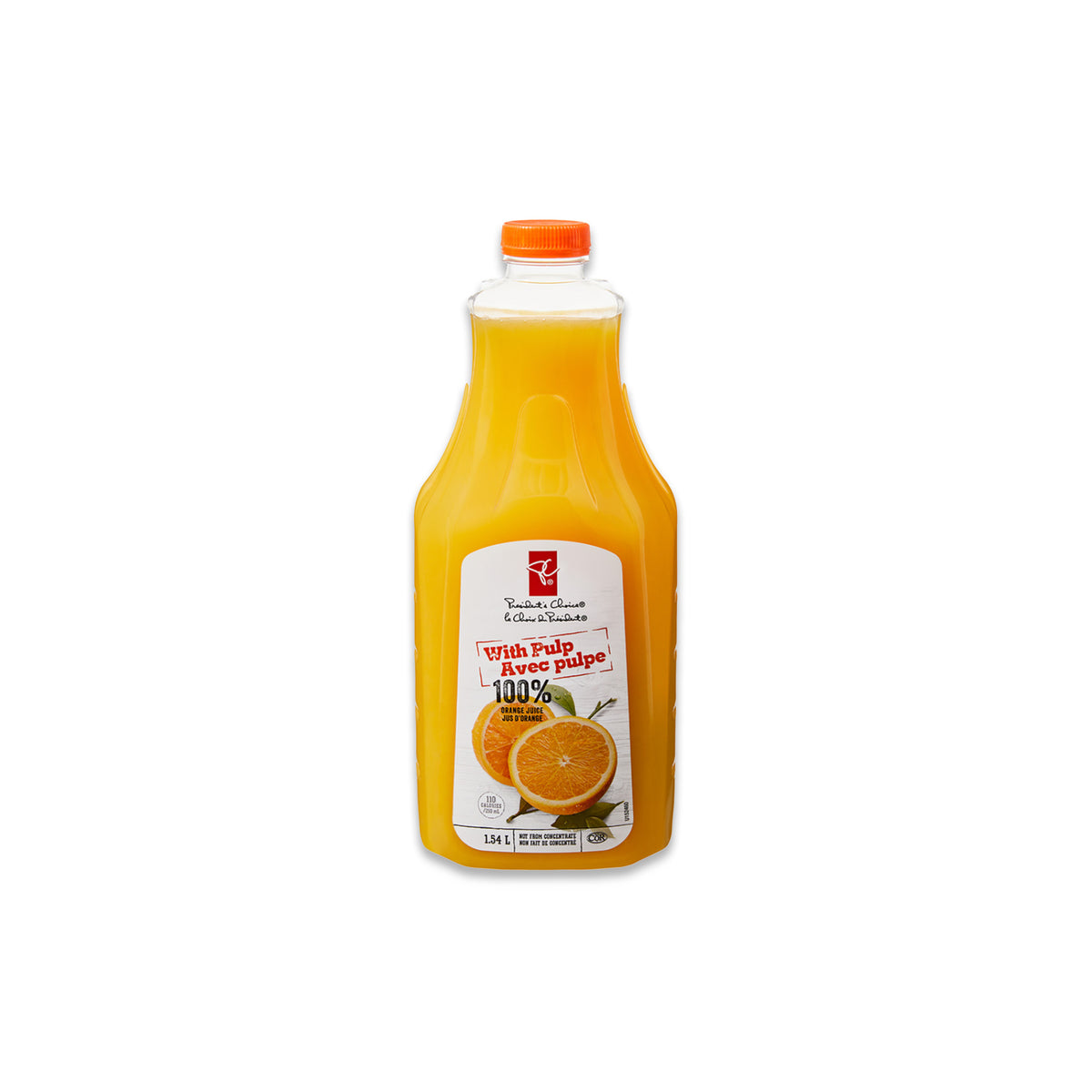


At a glance
Summary
This beverage contains a mix of natural fruit juice concentrates and beneficial vitamins, which contribute positively to its nutritional profile. However, the presence of 'natural flavors' introduces some uncertainty due to the lack of transparency about their specific composition. The product is moderately processed, which limits its score despite the absence of major harmful ingredients.
Key ingredients 10
Fruit Juice ConcentratesGood
Fruit juice concentrates from apple, orange, and mango provide natural sugars and some vitamins. They are less processed than artificial sweeteners and contribute to the flavor profile. However, they can be high in natural sugars, which should be consumed in moderation.
Risks
High natural sugar content may contribute to increased calorie intake if consumed in excess.
Benefits
Provides natural sugars and some vitamins, contributing to the overall flavor and nutritional profile.
Magnesium LactateGood
Magnesium lactate is a source of magnesium, an essential mineral important for muscle and nerve function. It is well-absorbed and can help maintain adequate magnesium levels. It is generally considered safe when consumed in appropriate amounts.
Risks
Excessive intake may lead to digestive issues such as diarrhea.
Benefits
Supports muscle and nerve function and helps maintain adequate magnesium levels.
Ascorbic AcidGood
Ascorbic acid, also known as vitamin C, is an essential nutrient that acts as an antioxidant. It supports immune function and skin health. It is commonly added to beverages to enhance nutritional value.
Benefits
Acts as an antioxidant and supports immune function and skin health.
Beta-CaroteneGood
Beta-carotene is a precursor to vitamin A and acts as an antioxidant. It is beneficial for eye health and immune function. It is often used as a natural colorant in food products.
Benefits
Supports eye health and immune function and acts as an antioxidant.
Vitamin E AcetateGood
Vitamin E acetate is a form of vitamin E, an antioxidant that protects cells from damage. It supports skin health and immune function. It is commonly added to food products to enhance nutritional value.
Benefits
Acts as an antioxidant and supports skin health and immune function.
Sparkling WaterNeutral
Sparkling water is simply carbonated water and is generally considered neutral. It provides hydration without any calories or sugars. There are no significant health impacts associated with its consumption.
See more about Sparkling Water →Citric AcidNeutral
Citric acid is a natural acid found in citrus fruits and is used as a preservative and flavor enhancer. It is generally recognized as safe and is commonly used in food products. It can enhance the tartness and flavor of beverages.
Risks
Excessive consumption may cause dental erosion over time.
Benefits
Enhances flavor and acts as a preservative in food products.
Malic AcidNeutral
Malic acid is a naturally occurring acid found in fruits and is used to enhance flavor. It is generally recognized as safe and contributes to the tartness of the product. It is commonly used in food and beverages for its flavor-enhancing properties.
Benefits
Enhances flavor and provides a tart taste to food and beverages.
Stevia ExtractNeutral
Stevia extract is a natural, zero-calorie sweetener derived from the stevia plant. It is considered safe and does not significantly impact blood sugar levels. It is a popular alternative to artificial sweeteners.
Benefits
Provides sweetness without calories and does not impact blood sugar levels.
Natural FlavorsBad
Natural flavors are a catch-all term for flavoring agents derived from natural sources. They lack transparency and can include a wide range of substances. The lack of specific information about their composition can be concerning for some consumers.
Risks
Potential for undisclosed allergens or additives that may cause reactions in sensitive individuals.
Processing
Processed Foods
Get the full breakdown in the Scout appTake Scout shopping
Scan any product to see lab results, healthy alternatives, and your personalized analysis.
Download on theApp Store GET IT ONGoogle Play