


At a glance
Summary
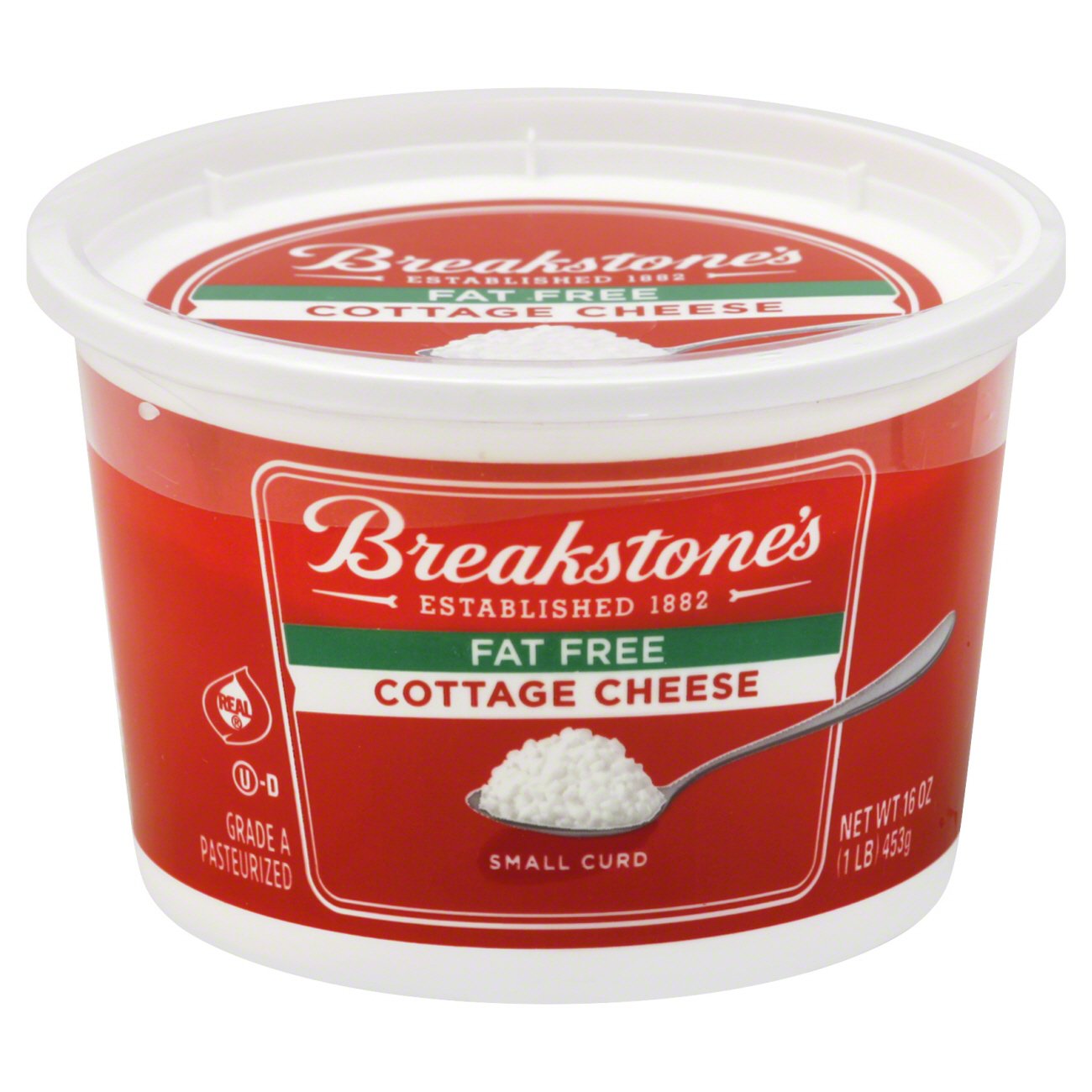
This fat-free cottage cheese is a processed food with a moderate level of processing. It contains beneficial cultured pasteurized skim milk, which provides protein and calcium, but also includes modified food starch and xanthan gum, which are highly processed additives used for texture and stability. These additives, while common in processed foods, detract from the overall healthiness of the product.
Key ingredients 6
Cultured Pasteurized Skim MilkGood
Cultured pasteurized skim milk is a primary ingredient in cottage cheese, providing a source of protein and calcium. The culturing process enhances digestibility and adds beneficial probiotics. Skim milk is low in fat, making it suitable for low-fat diets.
Benefits
Provides high-quality protein and calcium, essential for bone health. Contains probiotics that may support gut health.
WheyNeutral
Whey is a byproduct of cheese production and is used to enhance protein content. It is a complete protein source with all essential amino acids. However, it is not a primary ingredient and is used in small amounts.
Risks
May cause digestive issues in individuals with lactose intolerance.
Benefits
Rich in essential amino acids, supporting muscle repair and growth.
SaltNeutral
Salt is used for flavor enhancement and preservation in cottage cheese. It is a common culinary ingredient but does not provide additional nutritional benefits. Excessive consumption can lead to health issues such as hypertension.
Risks
High sodium intake is associated with increased risk of hypertension and cardiovascular diseases.
Calcium PhosphateNeutral
Calcium phosphate is used as a mineral supplement to enhance calcium content. It is generally recognized as safe and contributes to bone health. However, it is not naturally occurring in the product.
Risks
Excessive intake may lead to imbalances in mineral absorption.
Benefits
Provides additional calcium, supporting bone health and strength.
Xanthan GumNeutral
Fermentation-derived thickener, well tolerated at food-use levels.
Risks
May cause digestive discomfort such as bloating and gas in some individuals.
Modified Food StarchBad
Modified food starch is used as a thickening agent and stabilizer in processed foods. It is highly processed and can contribute to the glycemic load of the product. It lacks nutritional value and is primarily used for texture.
Risks
May contribute to blood sugar spikes due to its high glycemic index.
Processing
Processed Foods
Get the full breakdown in the Scout appTake Scout shopping
Scan any product to see lab results, healthy alternatives, and your personalized analysis.
Download on theApp Store GET IT ONGoogle Play