

At a glance
Summary
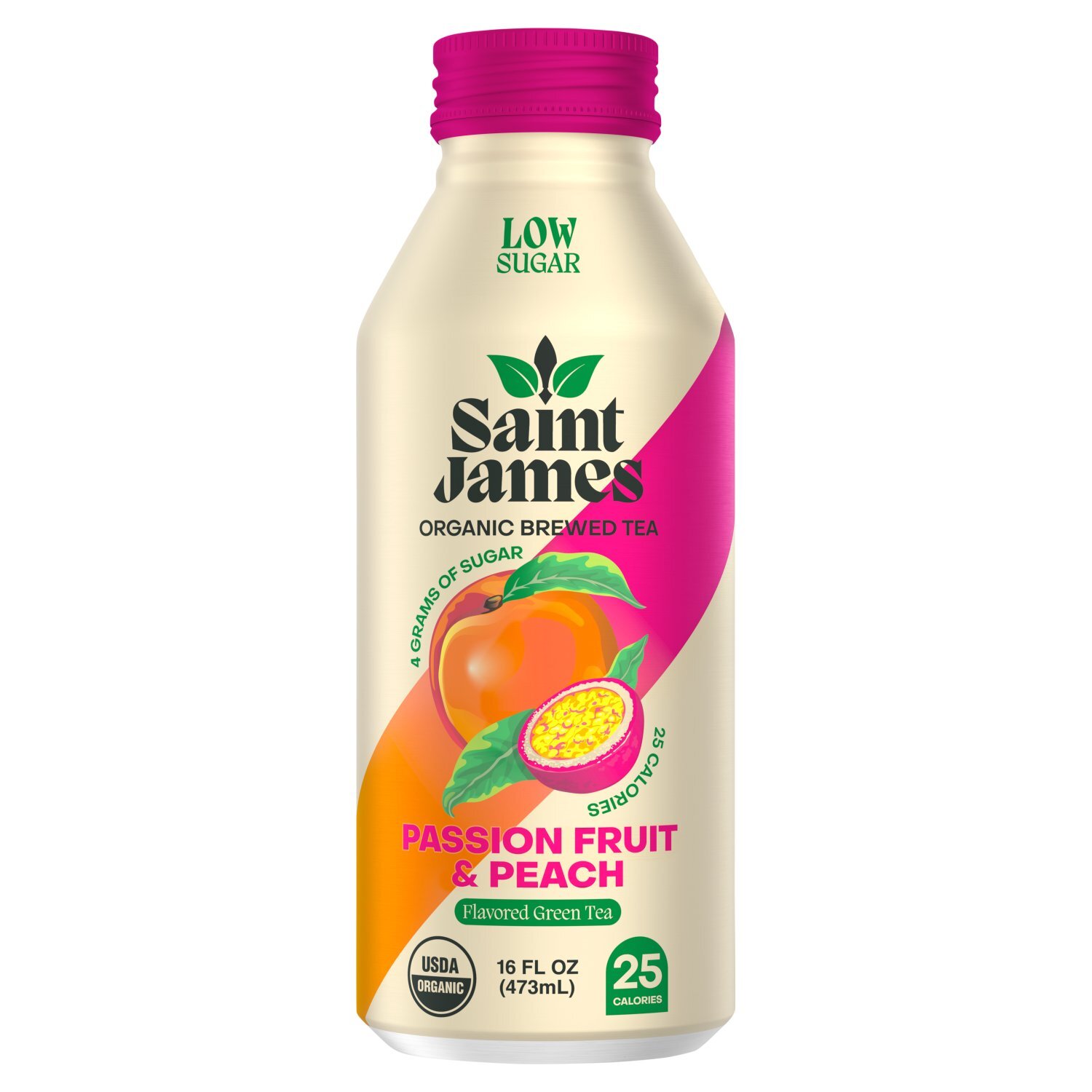
This beverage contains beneficial ingredients like black tea and caffeine from green tea, which provide antioxidants and natural energy. However, the presence of agave nectar, a sweetener with high fructose content, and the use of natural flavors, which can be highly processed, contribute to a moderate level of processing. These factors, along with the processed nature of the product, influence its overall rating.
Key ingredients 9
Black TeaGood
Black tea is rich in antioxidants, particularly flavonoids, which can support heart health and reduce inflammation. It is a natural source of caffeine, which can enhance alertness and cognitive function. The quality of black tea can vary based on its origin and processing.
Risks
Excessive consumption may lead to caffeine-related side effects such as insomnia or jitteriness.
Benefits
Contains antioxidants that may reduce the risk of chronic diseases and improve cardiovascular health.
Caffeine From Green TeaGood
Caffeine from green tea provides a natural source of energy and alertness. It is often associated with improved mental focus and metabolic benefits. The presence of green tea also suggests additional antioxidants.
Risks
Excessive caffeine intake can lead to side effects such as insomnia or increased heart rate.
Benefits
Enhances alertness and may support metabolic health.
Pyridoxine HydrochlorideGood
Pyridoxine hydrochloride is a form of Vitamin B6, essential for protein metabolism and cognitive development. It supports immune function and neurotransmitter synthesis. As a water-soluble vitamin, it is generally safe with low toxicity risk.
Benefits
Supports brain health and immune function.
CyanocobalaminGood
Cyanocobalamin is a synthetic form of Vitamin B12, crucial for nerve function and red blood cell formation. It is particularly important for vegetarians and vegans who may lack B12 in their diet. This form is widely used in supplements and fortified foods.
Benefits
Essential for energy production and neurological health.
WaterNeutral
Water is a neutral ingredient that serves as the base for the beverage. It is essential for hydration and does not contribute any calories or nutrients. The quality of water can vary based on its source and treatment.
See more about Water →Citric AcidNeutral
Citric acid is commonly used as a preservative and flavor enhancer in beverages. It is naturally found in citrus fruits and is generally recognized as safe. In processed foods, it helps maintain freshness and enhances flavor.
Benefits
Helps preserve the product and enhance its flavor profile.
Stevia Leaf ExtractNeutral
Stevia leaf extract is a natural, zero-calorie sweetener derived from the Stevia plant. It is considered safe and does not significantly impact blood sugar levels. It is often used as a sugar substitute in various products.
Benefits
Provides sweetness without calories, making it suitable for low-calorie diets.
Agave NectarBad
Agave nectar is a sweetener with a high fructose content, which can have negative health impacts when consumed in excess. It is often marketed as a natural sweetener, but its high fructose levels can contribute to metabolic issues. Compared to other sweeteners, it may have a lower glycemic index but still poses health concerns.
Risks
High fructose content may lead to insulin resistance and liver issues when consumed in large amounts.
Benefits
Provides a sweet flavor with a lower glycemic index than table sugar.
Natural FlavorBad
Natural flavors are often used to enhance taste but can be highly processed and lack transparency. They are derived from natural sources but may contain additives and solvents. The lack of specific ingredient disclosure can be concerning for consumers seeking transparency.
Risks
Potential for undisclosed additives and processing agents.
Benefits
Enhances the flavor of the product without adding calories.
Processing
Processed Foods
Get the full breakdown in the Scout appTake Scout shopping
Scan any product to see lab results, healthy alternatives, and your personalized analysis.
Download on theApp Store GET IT ONGoogle Play