


At a glance
Summary
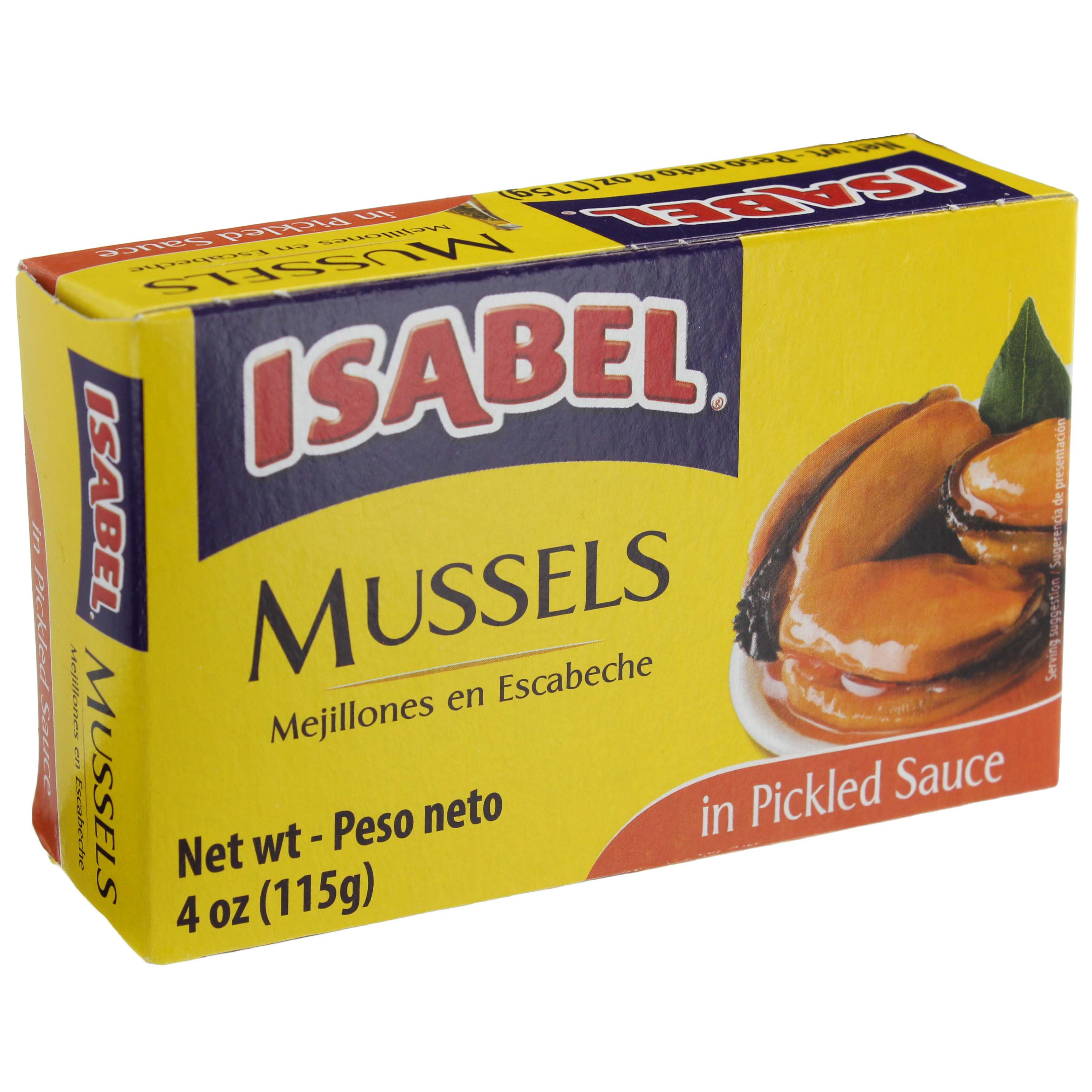
This product contains beneficial mussels, which are a good source of protein and essential nutrients. However, it is heavily penalized due to the use of vegetable oils, which are high in omega-6 fatty acids and can promote inflammation, and the inclusion of natural flavors, which lack transparency. The high level of processing further limits its score, despite the presence of some nutritious ingredients.
Key ingredients 5
MusselsGood
Mussels are a high-quality source of protein and essential nutrients like omega-3 fatty acids. They are typically low in contaminants compared to larger fish. Mussels also provide important minerals such as zinc and iron.
Risks
Potential allergen for individuals with shellfish allergies.
Benefits
Rich in omega-3 fatty acids, which support heart and brain health. High in protein and essential minerals like zinc and iron.
VinegarNeutral
Vinegar is used as a preservative and flavor enhancer in many foods. It is produced through the fermentation of ethanol by acetic acid bacteria. While it adds tanginess, it does not provide significant nutritional value.
Benefits
May aid in digestion and provide a tangy flavor to foods.
SaltNeutral
Salt is used to enhance flavor and preserve food. It is a natural mineral composed primarily of sodium chloride. While essential for bodily functions, excessive intake can lead to health issues.
Risks
Excessive consumption can lead to high blood pressure and other cardiovascular issues.
Benefits
Essential for maintaining fluid balance and nerve function in the body.
Natural FlavorsBad
Natural flavors are often used to enhance taste but lack transparency in their composition. They can contain a variety of chemical compounds derived from natural sources. The lack of disclosure can be concerning for those with allergies or sensitivities.
Risks
Potential allergen risk due to undisclosed ingredients and lack of transparency.
Vegetable OilVery Bad
Vegetable oils such as soy or sunflower oil are high in omega-6 fatty acids, which can promote inflammation when consumed in excess. These oils are often extracted using high heat and chemicals, which can degrade their nutritional quality. The high omega-6 content can disrupt the balance of fatty acids in the diet.
Risks
High omega-6 content may promote inflammation and contribute to chronic diseases when consumed in excess.
Processing
Ultra-Processed Foods
Get the full breakdown in the Scout appTake Scout shopping
Scan any product to see lab results, healthy alternatives, and your personalized analysis.
Download on theApp Store GET IT ONGoogle Play