

At a glance
Summary
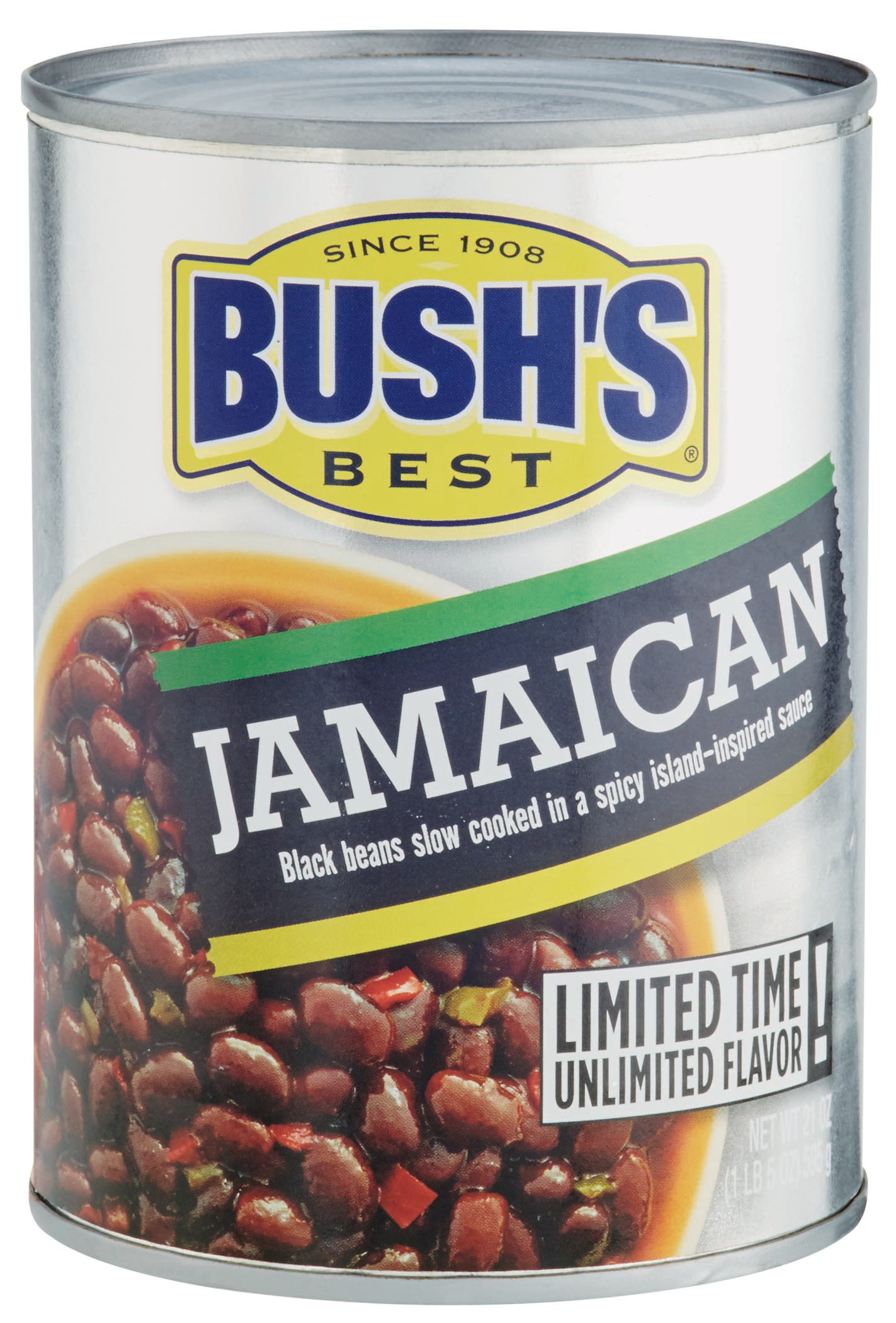
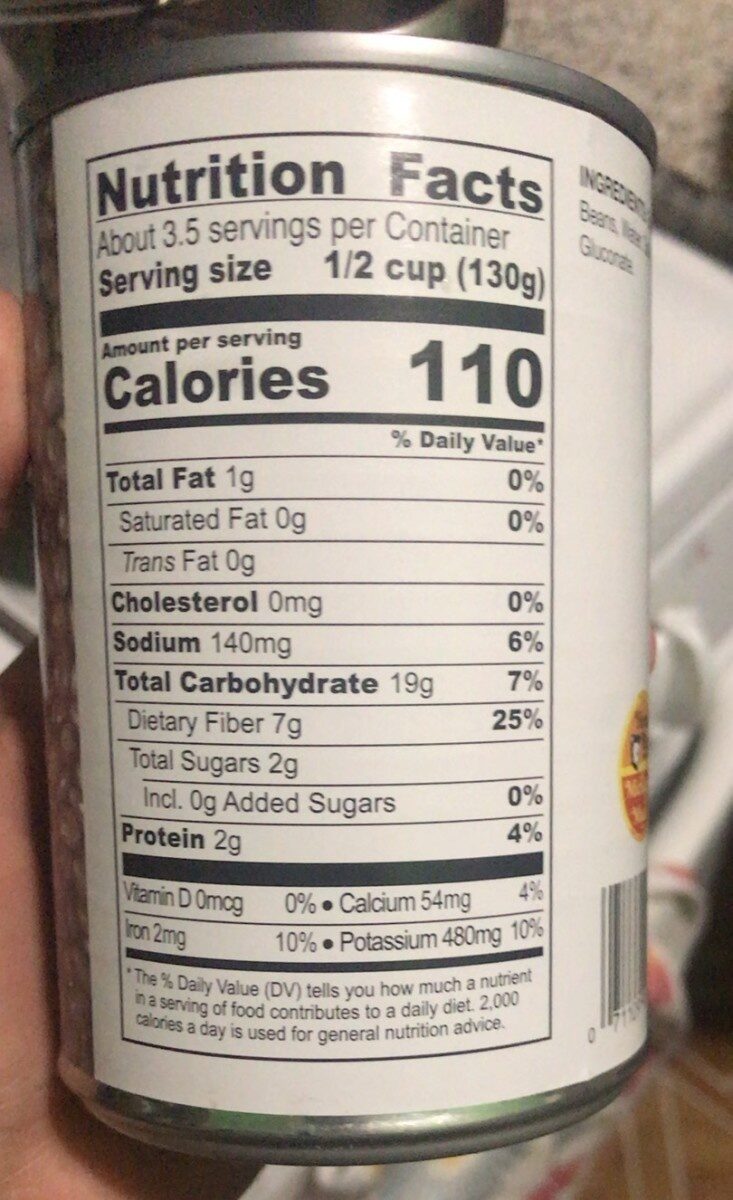
This product contains beneficial ingredients like black beans and tomato puree, which provide protein, fiber, and antioxidants. However, it is heavily processed and includes added sugar and natural flavors, which are less desirable due to their lack of nutritional benefits and high processing level. The presence of these processed ingredients limits its overall healthiness despite some positive nutritional aspects.
Key ingredients 17
Prepared black beansGood
Black beans are a good source of protein and fiber, contributing to satiety and digestive health. They are minimally processed and retain most of their natural nutrients. Compared to other legumes, they offer a balanced nutrient profile with low fat content.
Benefits
Rich in protein and fiber, supporting digestive health and providing essential nutrients like iron and magnesium.
Tomato pureeGood
Tomato puree is rich in vitamins A and C and provides antioxidants like lycopene. It is made by cooking and straining tomatoes, preserving most of their nutrients. Compared to fresh tomatoes, it offers a concentrated source of nutrients.
Benefits
Provides antioxidants and vitamins that support immune function and reduce oxidative stress.
HoneyGood
Traditional whole-food sweetener with trace enzymes and antioxidants.
Risks
Excessive consumption can contribute to high sugar intake and related health issues.
Benefits
Contains trace nutrients and antioxidants, offering a natural alternative to refined sugar.
TurmericGood
Beneficial ingredient — whole-food or functional value in this product class.
Benefits
Contains curcumin, which may have anti-inflammatory and antioxidant effects.
Garlic powderGood
Concentrated whole-food seasoning.
Benefits
May provide some health benefits due to allicin, which supports heart health.
WaterNeutral
Water is used as a solvent and carrier for other ingredients. It is essential for hydration but does not contribute additional nutrients. In canned foods, it helps maintain texture and consistency.
See more about Water →Red bell pepperNeutral
Red bell peppers add flavor and color, containing vitamins A and C. They are used in small quantities, contributing minimally to the overall nutritional profile. Compared to other vegetables, they are less impactful in processed forms.
Benefits
Contains vitamins A and C, which support immune health and skin health.
Green bell pepperNeutral
Green bell peppers provide flavor and a small amount of vitamins and minerals. They are included in minor amounts, thus having limited nutritional impact. In comparison to red bell peppers, they have a slightly different nutrient profile.
Benefits
Provides some vitamins and minerals, contributing to overall nutrient intake.
Jalapeno powderNeutral
Jalapeno powder adds spice and flavor without significant nutritional contribution. It is used in small amounts, primarily for taste enhancement. Compared to fresh jalapenos, the powder form is more concentrated in flavor.
Benefits
Adds flavor and may provide minor amounts of capsaicin, which has potential metabolic benefits.
Onion powderNeutral
Onion powder is used for flavoring and contains some vitamins and minerals. It is a dehydrated form of onion, retaining some of its original nutrients. Compared to fresh onions, it is more concentrated but used in smaller amounts.
Benefits
Provides flavor and minor amounts of nutrients like vitamin C.
OnionNeutral
Onions add flavor and contain vitamins and antioxidants. They are used in small quantities, contributing minimally to the overall nutritional profile. Compared to onion powder, fresh onions offer more moisture and texture.
Benefits
Contains antioxidants and vitamins that support immune health.
SpiceNeutral
Spices are used for flavor enhancement and may contain beneficial compounds. The specific spices are not listed, making it difficult to assess their individual health impacts. Compared to whole spices, blends may offer less nutritional value.
Benefits
May provide flavor and minor health benefits depending on the specific spices used.
SaltNeutral
Salt is used for flavor and preservation but should be consumed in moderation. Excessive intake can lead to health issues like hypertension. Compared to other preservatives, it is a natural option but requires careful consumption.
Risks
High sodium intake can increase the risk of hypertension and cardiovascular disease.
Benefits
Enhances flavor and acts as a natural preservative.
MolassesNeutral
Molasses is a byproduct of sugar refining and contains some vitamins and minerals. It is used for flavoring and color but in small amounts, limiting its nutritional impact. Compared to refined sugar, it offers a slightly better nutrient profile.
Risks
Excessive consumption can contribute to high sugar intake.
Benefits
Contains trace minerals like iron and calcium, offering a marginally better option than refined sugar.
SugarBad
Refined sugar is added for sweetness but provides empty calories with no nutritional benefits. Excessive consumption can lead to health issues like obesity and diabetes. It is a common additive in processed foods, contributing to high sugar intake.
Risks
High intake of refined sugar can increase the risk of obesity, type 2 diabetes, and heart disease.
Natural flavorBad
Natural flavors are added to enhance taste but are highly processed and lack transparency. They can contain a variety of compounds, making it difficult to assess their health impact. Compared to whole food ingredients, they offer no nutritional benefits.
Risks
Potential allergens and unknown compounds may pose health risks for sensitive individuals.
Brown sugarBad
Processed additive flagged under Scout's ingredient doctrine.
Risks
High intake can lead to health issues like obesity and diabetes.
Benefits
Provides a richer flavor and slightly more minerals than white sugar.
Processing
Ultra-Processed Foods
Get the full breakdown in the Scout appTake Scout shopping
Scan any product to see lab results, healthy alternatives, and your personalized analysis.
Download on theApp Store GET IT ONGoogle Play