

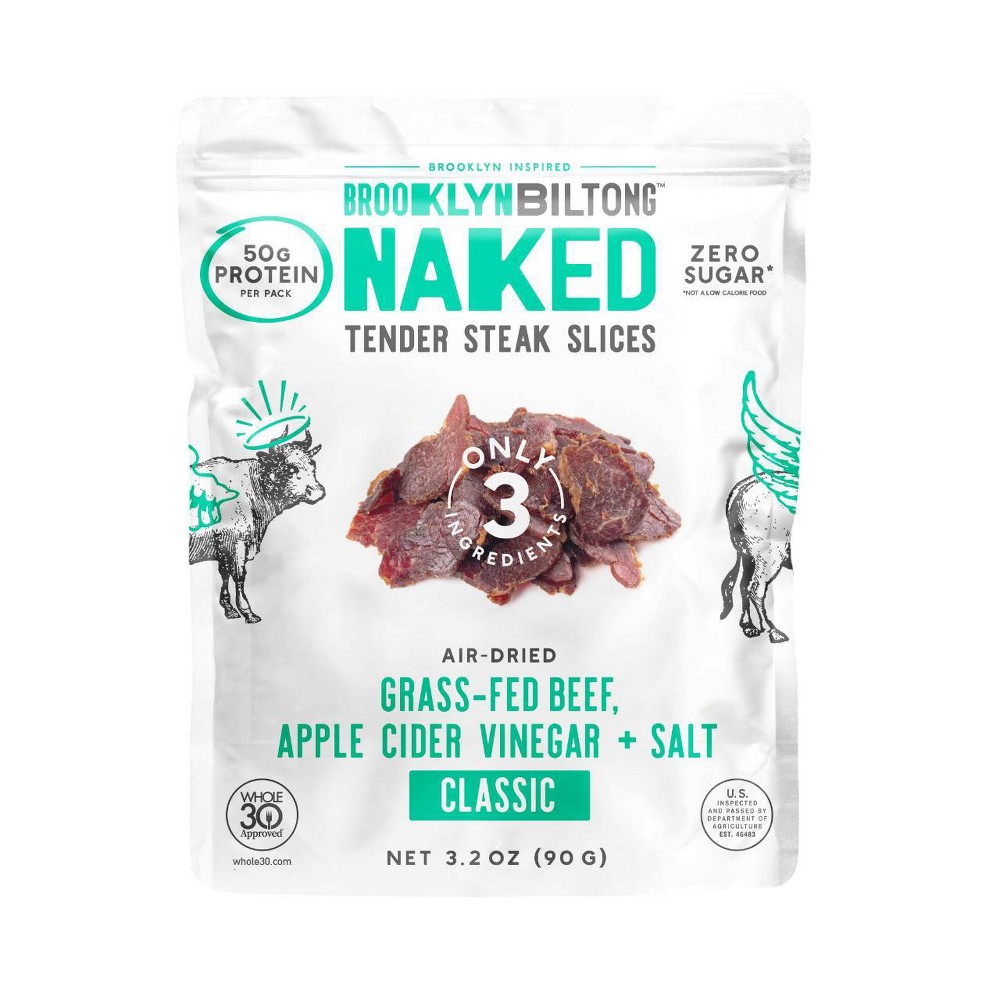

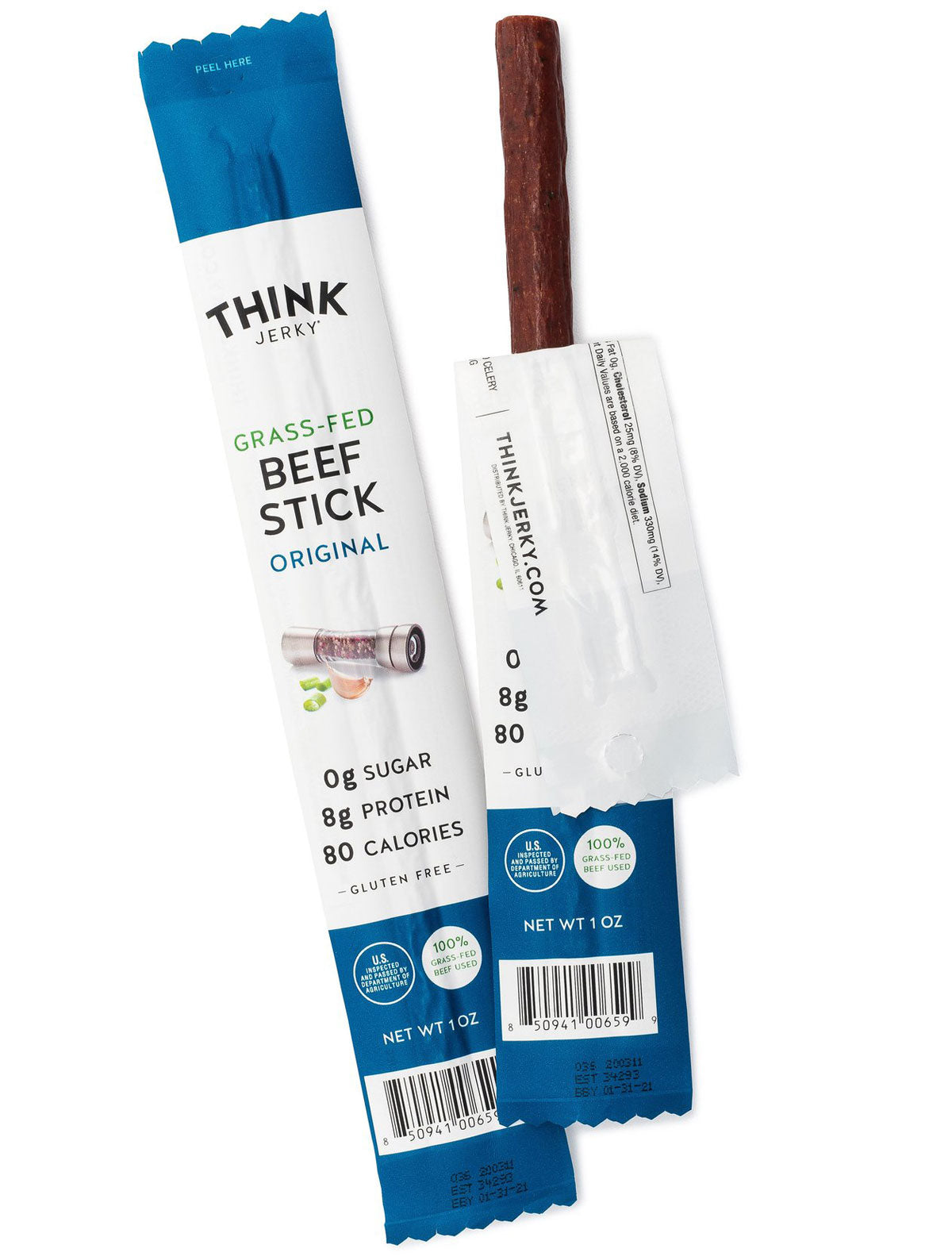

TRADITIONAL BILTONG PREMIUM CUTS OF TENDER BEEF
Analysis updated August 2026 · How Scout scores
At a glance
Summary
This biltong product features high-quality ingredients such as grass-fed beef, sea salt, and spices, which contribute to its nutritional value and flavor. However, it is classified as ultra-processed due to the inclusion of Worcestershire powder and citric acid, which limits its score despite the absence of harmful additives. The processing level imposes a cap on the score, reflecting the impact of processing on the overall healthiness of the product.
Key ingredients 8
Grass Fed BeefVery Good
Grass-fed beef is a high-quality protein source with a rich amino acid profile. It contains higher levels of omega-3 fatty acids and antioxidants compared to grain-fed beef. The grass-fed label indicates better animal welfare and environmental practices.
Benefits
Rich in protein and essential nutrients like iron and vitamin B12, supporting muscle health and energy levels.
Sea SaltGood
Sea salt is a minimally processed source of sodium and trace minerals. It is often preferred over refined salt due to its natural mineral content. The use of sea salt can enhance flavor while providing essential electrolytes.
Risks
High sodium intake can contribute to hypertension and cardiovascular issues if consumed in excess.
Benefits
Provides essential electrolytes and trace minerals that support hydration and nerve function.
CorianderGood
Coriander is a spice that adds flavor and aroma to foods. It contains antioxidants and may have anti-inflammatory properties. The use of coriander can enhance the sensory profile of the product.
Benefits
Rich in antioxidants and may support digestive health and reduce inflammation.
PepperGood
Pepper is a common spice that adds heat and flavor to dishes. It contains piperine, which may enhance nutrient absorption. The use of pepper can improve the taste and potential health benefits of the product.
Benefits
May improve digestion and enhance the absorption of nutrients.
RosemaryGood
Rosemary is an herb known for its aromatic properties and potential health benefits. It contains antioxidants and may have anti-inflammatory effects. The inclusion of rosemary can enhance flavor and provide health benefits.
Benefits
Rich in antioxidants and may support cognitive health and reduce inflammation.
VinegarNeutral
Vinegar is used as a preservative and flavor enhancer in food products. It is a natural ingredient that can help in food preservation by lowering pH levels. The acetic acid in vinegar may have antimicrobial properties.
Risks
Excessive consumption may lead to digestive discomfort due to its acidity.
Benefits
May aid in food preservation and enhance flavor without adding calories.
Worcestershire PowderNeutral
Worcestershire powder is a blend of various ingredients used for flavoring. It includes natural components like tomato and vinegar, but also contains salt and citric acid. The combination provides a complex flavor profile.
Risks
Contains salt and citric acid, which may contribute to sodium intake and acidity.
Benefits
Enhances flavor complexity with a mix of savory and tangy notes.
Citric AcidNeutral
Citric acid is a natural preservative and flavor enhancer. It is commonly used to add acidity and preserve freshness in food products. The presence of citric acid helps maintain product stability.
Risks
Excessive consumption may cause dental erosion or digestive discomfort.
Benefits
Helps preserve freshness and enhances flavor without adding calories.
Processing
Ultra-Processed Foods
Get the full breakdown in the Scout appTake Scout shopping
Scan any product to see lab results, healthy alternatives, and your personalized analysis.
Download on theApp Store GET IT ONGoogle Play