
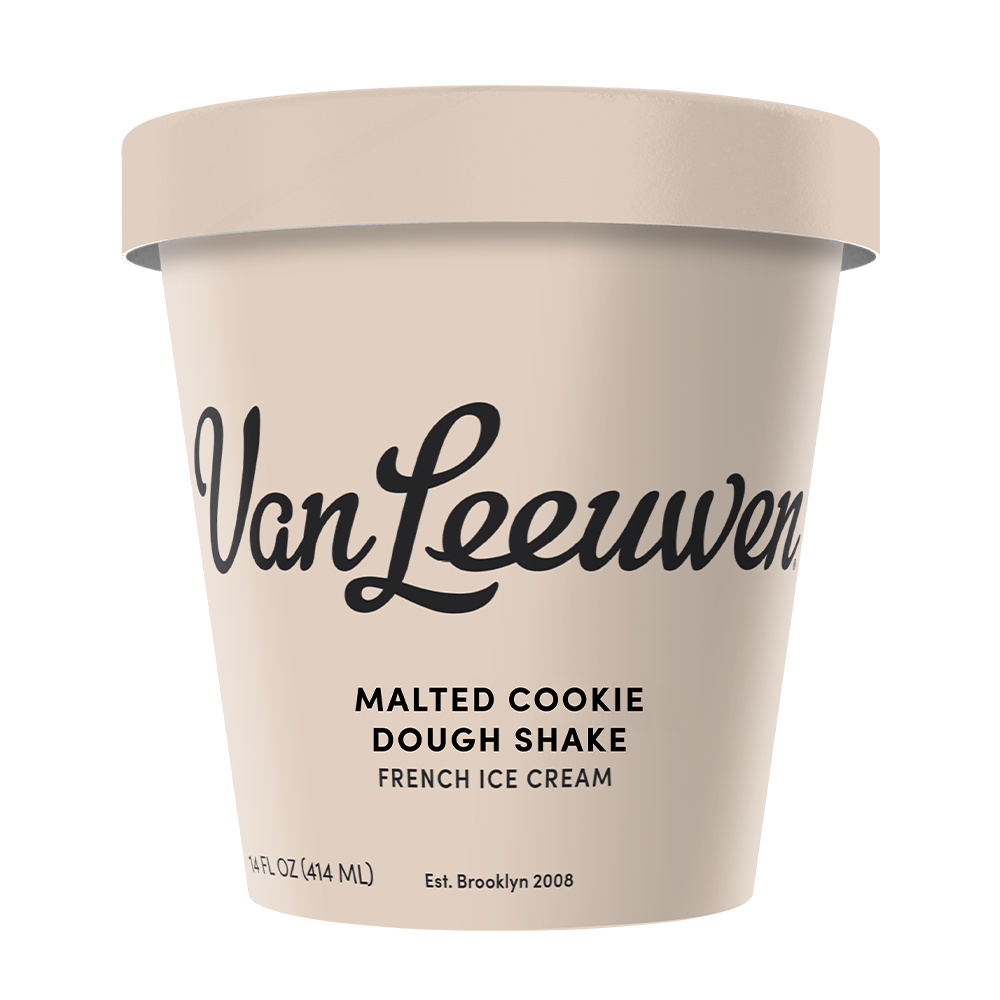



Malted Cookie Dough Shake French Ice Cream
Summary
This ice cream is heavily processed, containing multiple additives and refined ingredients like cane sugar and canola oil, which are linked to health concerns such as inflammation and excessive calorie intake. Despite the presence of some high-quality ingredients like cream and cocoa beans, the overall processing level and inclusion of seed oils significantly impact its healthiness. The product's high sugar content and ultra-processed nature further limit its nutritional value.
At a glance
Key ingredients 19
CreamVery Good
Cream is a high-quality source of dairy fat, providing essential fatty acids and fat-soluble vitamins. It is minimally processed and often comes from grass-fed cows, which enhances its nutritional profile. Compared to plant-based alternatives, cream offers a richer taste and better nutrient absorption.
Risks
High in saturated fat, which may contribute to heart disease if consumed in excess.
Benefits
Rich in fat-soluble vitamins like A, D, E, and K, and provides a creamy texture and flavor to foods.
MilkGood
Milk is a nutritious source of calcium, protein, and essential vitamins. It is typically pasteurized to ensure safety and quality. Compared to non-dairy alternatives, milk offers a complete amino acid profile and better bioavailability of nutrients.
Risks
Lactose intolerance can cause digestive issues in some individuals.
Benefits
Provides calcium and vitamin D, which are crucial for bone health.
Cane SugarBad
Cane sugar is a refined sweetener that can contribute to excessive calorie intake and weight gain. It is processed to remove impurities, resulting in a high glycemic index. Unlike natural sweeteners, cane sugar offers no nutritional benefits.
Risks
High consumption can lead to obesity, type 2 diabetes, and dental cavities.
Benefits
Provides quick energy but lacks essential nutrients.
Egg YolksVery Good
Egg yolks are a rich source of essential nutrients, including choline, vitamins, and healthy fats. They are minimally processed and often come from pasture-raised hens, enhancing their nutritional value. Compared to egg whites, yolks provide more vitamins and minerals.
Risks
High in cholesterol, which may be a concern for individuals with specific health conditions.
Benefits
Rich in choline, which supports brain health, and contains antioxidants like lutein and zeaxanthin.
Wheat FlourNeutral
Wheat flour is a staple ingredient in baking, providing structure and texture to baked goods. It is typically refined, which removes the bran and germ, reducing its nutritional content. Whole wheat alternatives offer more fiber and nutrients.
Risks
Contains gluten, which can cause issues for those with celiac disease or gluten sensitivity.
Benefits
Provides carbohydrates for energy but lacks significant nutritional benefits when refined.
Cocoa BeansVery Good
Cocoa beans are rich in antioxidants and flavonoids, which support heart health and reduce inflammation. They are minimally processed to retain their beneficial compounds. Compared to processed chocolate, cocoa beans offer more health benefits.
Benefits
High in antioxidants that may improve heart health and reduce inflammation.
Cocoa ButterGood
Cocoa butter is a natural fat extracted from cocoa beans, providing a rich source of healthy fats. It is minimally processed and retains beneficial compounds. Compared to hydrogenated fats, cocoa butter is a healthier option.
Risks
High in saturated fat, which may contribute to heart disease if consumed in excess.
Benefits
Contains healthy fats that support skin health and provide a smooth texture to foods.
Malted BarleyGood
Malted barley is a source of complex carbohydrates and provides a unique flavor to foods. It is processed through malting, which enhances its nutritional profile by increasing enzyme activity. Compared to refined grains, malted barley offers more nutrients and fiber.
Risks
Contains gluten, which can cause issues for those with celiac disease or gluten sensitivity.
Benefits
Provides complex carbohydrates and fiber, supporting digestive health.
Canola OilVery Bad
Canola oil is a highly processed seed oil with a high omega-6 fatty acid content, which can promote inflammation. It is often extracted using chemical solvents, which may leave residues. Compared to healthier oils like olive or coconut, canola oil is less beneficial.
Risks
High omega-6 content may promote inflammation when consumed in excess.
Coconut OilGood
Coconut oil is a source of medium-chain triglycerides (MCTs), which are easily metabolized for energy. It is minimally processed and retains beneficial compounds. Compared to seed oils, coconut oil offers more health benefits.
Risks
High in saturated fat, which may contribute to heart disease if consumed in excess.
Benefits
Contains MCTs that support energy metabolism and may aid in weight management.
MolassesNeutral
Molasses is a byproduct of sugar refining, providing a rich source of minerals like iron and calcium. It is less processed than refined sugar and retains some nutrients. Compared to refined sugar, molasses offers more nutritional value.
Risks
High in sugar, which can contribute to weight gain and dental cavities if consumed in excess.
Benefits
Provides trace minerals like iron and calcium, offering some nutritional benefits.
Tapioca FlourNeutral
Tapioca flour is a gluten-free starch extracted from cassava root, used as a thickener and binder. It is minimally processed and provides a neutral flavor. Compared to wheat flour, it is suitable for gluten-free diets but lacks significant nutrients.
Benefits
Provides a gluten-free alternative for thickening and binding in recipes.
Vanilla ExtractGood
Vanilla extract is derived from vanilla beans and provides a natural flavoring with antioxidant properties. It is minimally processed and enhances the flavor profile of foods. Compared to artificial vanilla flavoring, it offers more health benefits.
Benefits
Contains antioxidants that may reduce oxidative stress and enhance flavor.
Sea SaltGood
Unrefined sea salt — a minimally processed, natural source of sodium and essential trace minerals, and a legitimate whole-food seasoning. Treated as a positive ingredient.
Risks
Excessive sodium intake can lead to high blood pressure and cardiovascular issues.
Benefits
Provides essential sodium and trace minerals, enhancing flavor.
Sunflower LecithinNeutral
Sunflower lecithin is an emulsifier derived from sunflower seeds, used to stabilize food products. It is less processed than soy lecithin and free from GMOs. Compared to synthetic emulsifiers, it is a more natural option.
Benefits
Acts as a natural emulsifier, improving texture and consistency in foods.
Soy LecithinNeutral
Soy lecithin is an emulsifier derived from soybeans, used to improve texture and shelf life. It is processed to remove allergens and impurities. Compared to synthetic emulsifiers, it is a more natural option but may contain GMOs.
Risks
May contain GMOs unless specified as non-GMO.
Benefits
Acts as an emulsifier, enhancing texture and consistency in foods.
Baking SodaNeutral
Baking soda is a leavening agent used to help baked goods rise. It is a simple chemical compound with no significant processing. Compared to other leavening agents, it is widely used and effective.
Benefits
Provides leavening properties, improving the texture of baked goods.
SaltNeutral
Salt is a common seasoning used to enhance flavor and preserve foods. It is minimally processed and provides essential sodium. Compared to sea salt, it is often iodized to prevent iodine deficiency.
Risks
Excessive sodium intake can lead to high blood pressure and cardiovascular issues.
Benefits
Provides essential sodium, enhancing flavor and preserving foods.
Vanilla BeanVery Good
Vanilla bean is a natural flavoring derived from the vanilla orchid, rich in antioxidants. It is minimally processed and provides a complex flavor profile. Compared to artificial vanilla, it offers more health benefits and a richer taste.
Benefits
Contains antioxidants that may reduce oxidative stress and enhance flavor.
Processing
Ultra-Processed Foods
Get the full breakdown in the Scout app
Scan any product to see lab results, healthy alternatives, and your personalized analysis.
Download on theApp Store