


At a glance
Summary
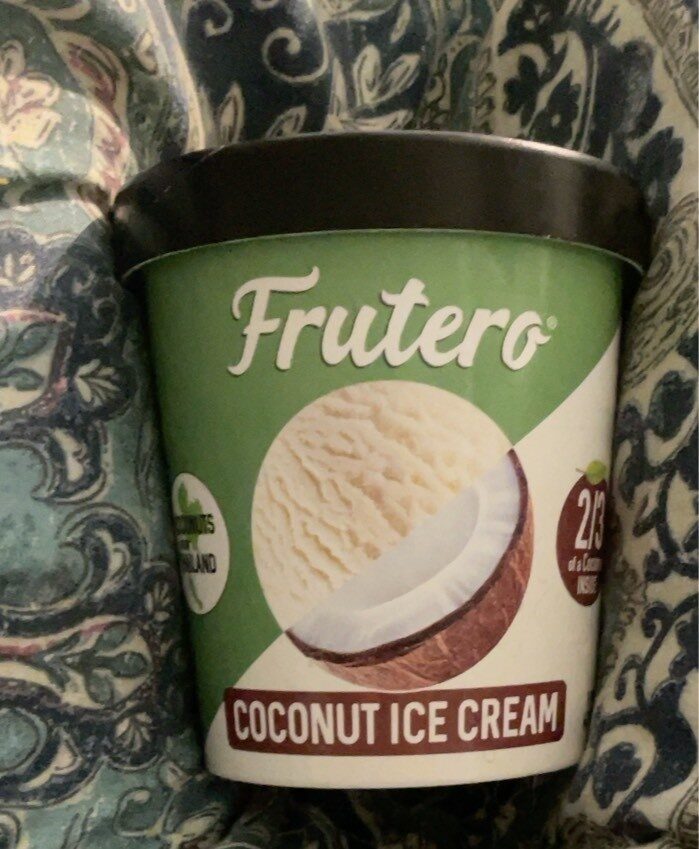
This coconut ice cream features a relatively clean ingredient list with beneficial components like coconut, cream, and milk, which provide healthy fats and essential nutrients. However, the presence of 'natural flavor' and gums such as xanthan and locust bean gum introduces moderate processing concerns. While the product is processed, it avoids major harmful ingredients, allowing it to score reasonably well within its category.
Key ingredients 8
CoconutGood
Coconut is a natural source of healthy fats, particularly medium-chain triglycerides (MCTs). These fats are easily digestible and can provide a quick source of energy. Coconut also contains antioxidants and has antimicrobial properties.
Risks
Some individuals may have allergies to coconut, which can cause adverse reactions.
Benefits
Rich in MCTs that support energy metabolism and may aid in weight management. Contains antioxidants that can help reduce oxidative stress.
CreamGood
Cream is a source of high-quality saturated fats and fat-soluble vitamins. It provides a rich texture and flavor to foods. When sourced from grass-fed cows, it contains higher levels of omega-3 fatty acids and conjugated linoleic acid (CLA).
Risks
High in calories and saturated fats, which can contribute to weight gain if consumed in excess.
Benefits
Provides fat-soluble vitamins like A, D, E, and K. Grass-fed cream offers additional omega-3s and CLA, which have health benefits.
MilkGood
Milk is a source of high-quality protein and essential nutrients like calcium and vitamin D. It supports bone health and muscle function. When sourced from grass-fed cows, it may contain higher levels of beneficial fatty acids.
Risks
Lactose intolerance can cause digestive issues for some individuals.
Benefits
Rich in calcium and vitamin D, supporting bone health. Provides high-quality protein for muscle maintenance.
WaterNeutral
Water is used as a solvent and to adjust the texture of the product. It is a neutral ingredient with no direct nutritional impact. Its presence helps in achieving the desired consistency of the ice cream.
See more about Water →Nonfat MilkNeutral
Nonfat milk provides protein and calcium without the fat content of whole milk. It is often used to enhance the nutritional profile of low-fat products. However, it lacks the fat-soluble vitamins present in whole milk.
Risks
May not provide the same satiety as full-fat milk due to the absence of fat.
Benefits
Offers protein and calcium, supporting bone health without added fat.
Xanthan GumNeutral
Xanthan gum is a common food additive used as a thickener and stabilizer. It is produced through fermentation of sugars by bacteria. It helps improve the texture and consistency of products.
Risks
Excessive consumption may cause digestive discomfort in some individuals.
Benefits
Improves texture and stability of food products without significant nutritional impact.
Locust Bean GumNeutral
Locust bean gum is a natural thickening agent derived from carob seeds. It is used to improve the texture and consistency of foods. It is generally recognized as safe and has minimal impact on nutrition.
Benefits
Provides texture enhancement without significant nutritional benefits.
Natural FlavorBad
Natural flavors are added to enhance taste but can be derived from complex chemical processes. They lack transparency regarding their specific sources and potential allergens. The term 'natural' does not necessarily mean healthier or less processed.
Risks
Potential allergens and sensitivities due to undisclosed ingredients.
Processing
Processed Foods
Get the full breakdown in the Scout appTake Scout shopping
Scan any product to see lab results, healthy alternatives, and your personalized analysis.
Download on theApp Store GET IT ONGoogle Play