

At a glance
Summary
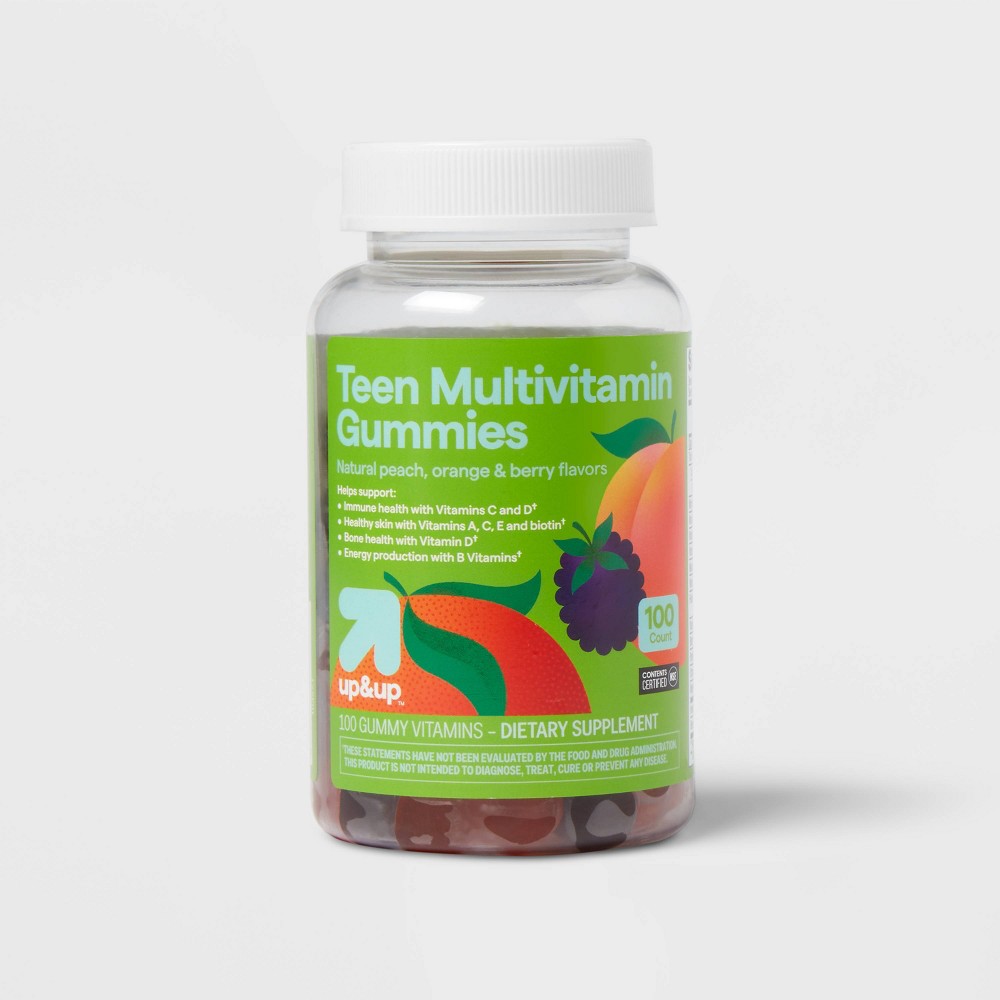
This multivitamin gummy contains glucose syrup and sugar as primary ingredients, which are highly processed and contribute to empty calories. The presence of palm oil and natural flavors adds to the concerns due to potential health and transparency issues. While the product provides essential vitamins, the formulation includes several additives and lacks the clean label seen in higher-quality supplements.
Key ingredients 14
WaterNeutral
Water is a neutral ingredient used as a solvent and to provide moisture. It does not contribute any calories or nutrients. It is essential for hydration but does not have specific health impacts in this context.
See more about Water →Gelatin (Porcine)Neutral
Gelatin is a protein derived from animal collagen, used as a gelling agent. It is generally considered safe and provides some amino acids, but its nutritional contribution is minimal in small amounts. It may not be suitable for vegetarians or those avoiding pork products.
Risks
May cause allergic reactions in sensitive individuals and is not suitable for vegetarians.
Benefits
Provides some amino acids that can support joint health.
Citric AcidNeutral
Citric acid is a natural acid found in citrus fruits, used as a preservative and flavor enhancer. It is generally recognized as safe and can aid in mineral absorption. However, excessive consumption may cause dental erosion.
Risks
Excessive consumption may lead to dental erosion.
Benefits
Can enhance flavor and aid in mineral absorption.
Paprika ExtractNeutral
Part of Colors. These natural colorants are used to enhance the visual appeal of the product. They are generally considered safe and preferable to artificial dyes. However, caramel color may contain trace amounts of contaminants formed during processing.
Risks
Caramel color may contain trace amounts of contaminants like 4-MEI.
Benefits
Natural colorants provide visual appeal without synthetic additives.
Radish ConcentrateNeutral
Part of Colors. These natural colorants are used to enhance the visual appeal of the product. They are generally considered safe and preferable to artificial dyes. However, caramel color may contain trace amounts of contaminants formed during processing.
Risks
Caramel color may contain trace amounts of contaminants like 4-MEI.
Benefits
Natural colorants provide visual appeal without synthetic additives.
CarrotNeutral
Part of Colors. These natural colorants are used to enhance the visual appeal of the product. They are generally considered safe and preferable to artificial dyes. However, caramel color may contain trace amounts of contaminants formed during processing.
Risks
Caramel color may contain trace amounts of contaminants like 4-MEI.
Benefits
Natural colorants provide visual appeal without synthetic additives.
Hibiscus ConcentrateNeutral
Part of Colors. These natural colorants are used to enhance the visual appeal of the product. They are generally considered safe and preferable to artificial dyes. However, caramel color may contain trace amounts of contaminants formed during processing.
Risks
Caramel color may contain trace amounts of contaminants like 4-MEI.
Benefits
Natural colorants provide visual appeal without synthetic additives.
Lactic AcidNeutral
Lactic acid is used as a preservative and acidity regulator. It is generally recognized as safe and can aid in digestion. It is naturally found in fermented foods and contributes to a tangy flavor.
Benefits
Can aid in digestion and provide a tangy flavor.
PectinNeutral
Pectin is a natural fiber used as a gelling agent in food products. It is derived from fruits and is generally considered safe. It can aid in digestion and provide a source of dietary fiber.
Benefits
Provides dietary fiber that can aid in digestion.
Glucose SyrupBad
Glucose syrup is a highly processed sweetener with a high glycemic index, which can lead to rapid spikes in blood sugar levels. It is often derived from corn and lacks nutritional value, contributing to empty calories. Its excessive consumption is linked to obesity and metabolic disorders.
Risks
High glycemic index may lead to insulin resistance and increased risk of type 2 diabetes.
SugarBad
Sugar is a common sweetener that can contribute to tooth decay and weight gain when consumed in excess. It provides empty calories without essential nutrients. High sugar intake is associated with increased risk of chronic diseases such as obesity and heart disease.
Risks
Excessive consumption can lead to obesity, type 2 diabetes, and cardiovascular disease.
Palm Oil And Carnauba WaxBad
Palm oil is a saturated fat that can contribute to heart disease if consumed in excess, and its production raises environmental concerns. Carnauba wax is used as a glazing agent and is generally considered safe, but it offers no nutritional benefits.
Risks
Palm oil consumption may increase cholesterol levels and contribute to heart disease.
Benefits
Carnauba wax provides a glossy finish but has no nutritional benefits.
Caramel ColorBad
Part of Colors. These natural colorants are used to enhance the visual appeal of the product. They are generally considered safe and preferable to artificial dyes. However, caramel color may contain trace amounts of contaminants formed during processing.
Risks
Caramel color may contain trace amounts of contaminants like 4-MEI.
Benefits
Natural colorants provide visual appeal without synthetic additives.
Natural FlavorsBad
Natural flavors are a catch-all term for flavoring agents derived from natural sources but can be highly processed. They lack transparency and may contain additives that are not disclosed. This lack of specificity can be concerning for those with allergies or dietary restrictions.
Risks
Potential allergens and undisclosed additives may pose risks to sensitive individuals.
Processing
Processed Foods
Get the full breakdown in the Scout appTake Scout shopping
Scan any product to see lab results, healthy alternatives, and your personalized analysis.
Download on theApp Store GET IT ONGoogle Play