



At a glance
Summary
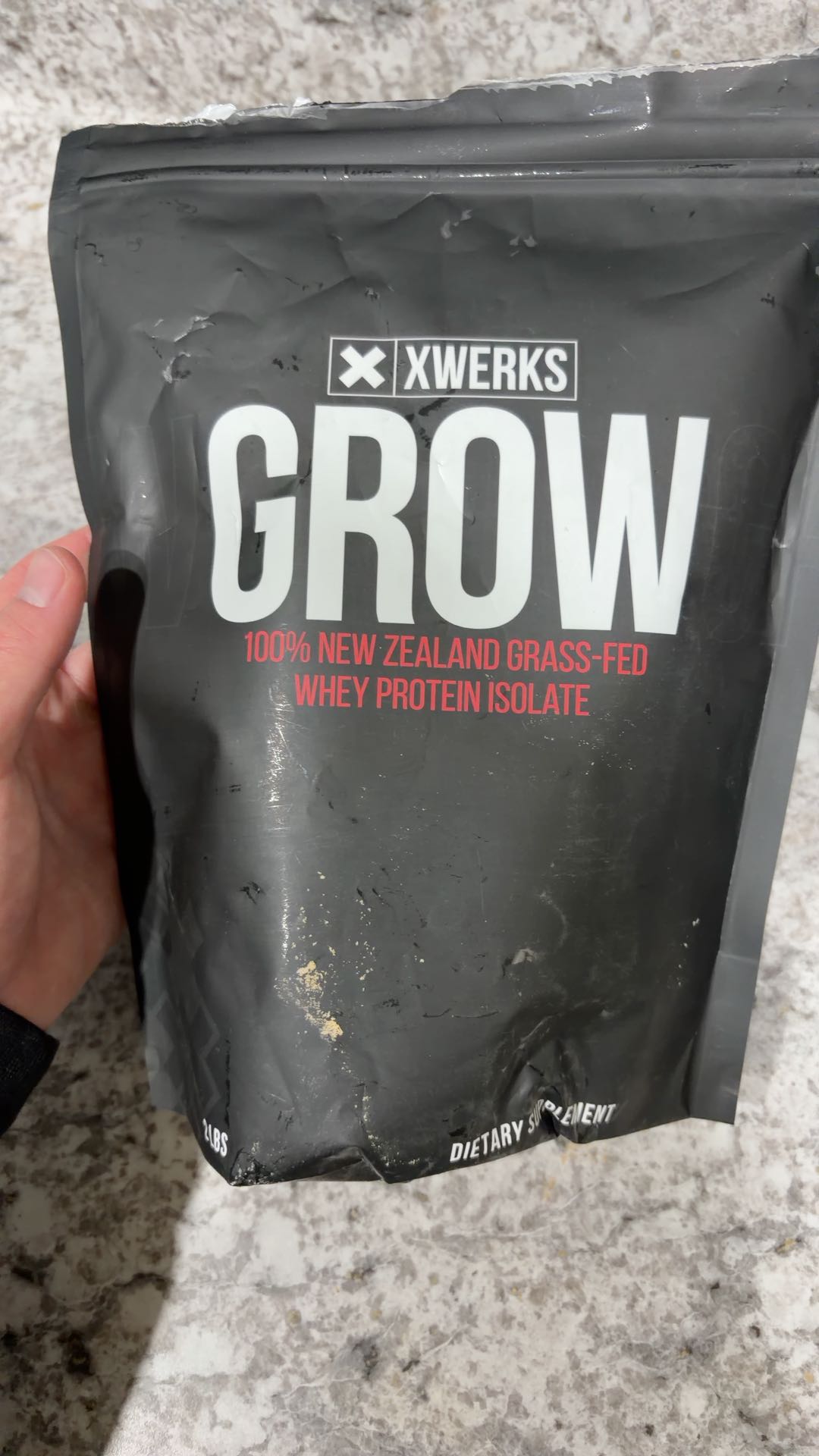
This protein powder features a clean formulation with pea protein and beneficial ingredients like chicory root fiber and various vitamins and minerals. The use of natural flavors is a minor concern due to lack of transparency, but the absence of artificial sweeteners, dyes, and harmful additives contributes positively to its score. The product is moderately processed, but the overall ingredient quality and lack of major red flags make it a healthy choice within its category.
Key ingredients 13
Chicory Root FiberGood
Chicory root fiber is a prebiotic fiber that supports digestive health. It helps in promoting the growth of beneficial gut bacteria. It can also aid in improving bowel regularity.
Risks
Excessive consumption may cause digestive discomfort such as bloating or gas.
Benefits
Supports gut health by promoting beneficial bacteria and improving digestion.
Cocoa PowderGood
Cocoa powder is rich in antioxidants and can contribute to heart health. Alkalized cocoa may have reduced antioxidant levels compared to natural cocoa. It adds flavor and potential health benefits to the product.
Risks
Alkalized cocoa may have reduced antioxidant content compared to non-alkalized cocoa.
Benefits
Contains flavonoids that support cardiovascular health and provide antioxidant benefits.
Sea SaltGood
Beneficial ingredient — whole-food or functional value in this product class.
Risks
Excessive sodium intake can lead to high blood pressure and cardiovascular issues.
Benefits
Provides essential minerals and enhances flavor with minimal processing.
Tricalcium PhosphateGood
Tricalcium phosphate is a source of calcium, essential for bone health. It is used to fortify foods and improve calcium intake. It is generally recognized as safe when consumed in appropriate amounts.
Risks
Excessive intake may lead to hypercalcemia, affecting kidney function.
Benefits
Supports bone health by providing a bioavailable source of calcium.
Magnesium PhosphateGood
Magnesium phosphate provides magnesium, crucial for muscle and nerve function. It helps in maintaining normal blood pressure and bone health. It is a beneficial mineral supplement in the diet.
Risks
High doses may cause digestive issues such as diarrhea.
Benefits
Supports muscle function, nerve health, and bone strength.
Potassium CitrateGood
Potassium citrate is used to regulate acidity and provide potassium, an essential electrolyte. It helps in maintaining fluid balance and proper muscle function. It is beneficial for cardiovascular health.
Risks
Excessive intake can lead to hyperkalemia, affecting heart function.
Benefits
Supports cardiovascular health and helps maintain electrolyte balance.
Sodium AscorbateGood
Sodium ascorbate is a form of vitamin C, an antioxidant that supports immune function. It is less acidic than ascorbic acid, making it gentler on the stomach. It contributes to collagen synthesis and skin health.
Risks
High doses may cause gastrointestinal discomfort.
Benefits
Boosts immune function and supports skin health through collagen production.
Zinc GluconateGood
Zinc gluconate is a form of zinc that supports immune function and wound healing. It is easily absorbed and helps in maintaining skin health. It is an essential mineral for overall health.
Risks
Excessive intake can lead to nausea and interfere with copper absorption.
Benefits
Enhances immune function and supports skin health and wound healing.
D-Alpha-Tocopheryl AcetateGood
D-alpha-tocopheryl acetate is a form of vitamin E, an antioxidant that protects cells from oxidative damage. It supports skin health and immune function. It is a beneficial addition to the diet for its protective properties.
Risks
High doses may interfere with blood clotting.
Benefits
Provides antioxidant protection and supports skin and immune health.
Pea ProteinNeutral
Pea protein is a plant-based protein source with a decent amino acid profile. It is less complete compared to animal-based proteins but is a good alternative for vegans. It is generally well-tolerated and hypoallergenic.
Benefits
Provides a plant-based protein source that is rich in iron and easy to digest.
Monkfruit ExtractNeutral
Monkfruit extract is a natural sweetener with zero calories. It is derived from the monk fruit and is considered safe for consumption. It provides sweetness without affecting blood sugar levels.
Benefits
Offers a natural, calorie-free sweetening option without impacting blood sugar.
Organic Cane SugarBad
Processed additive flagged under Scout's ingredient doctrine.
Risks
Excessive consumption can lead to increased calorie intake and potential weight gain.
Benefits
Provides a natural source of sweetness with minimal processing.
Natural FlavorsBad
Natural flavors are a catch-all term for flavoring agents derived from natural sources. They lack transparency and can include a wide range of substances. The lack of specificity makes it difficult to assess their health impact.
Risks
Potential for undisclosed additives or allergens that may cause reactions in sensitive individuals.
Processing
Processed Foods
Get the full breakdown in the Scout appTake Scout shopping
Scan any product to see lab results, healthy alternatives, and your personalized analysis.
Download on theApp Store GET IT ONGoogle Play