


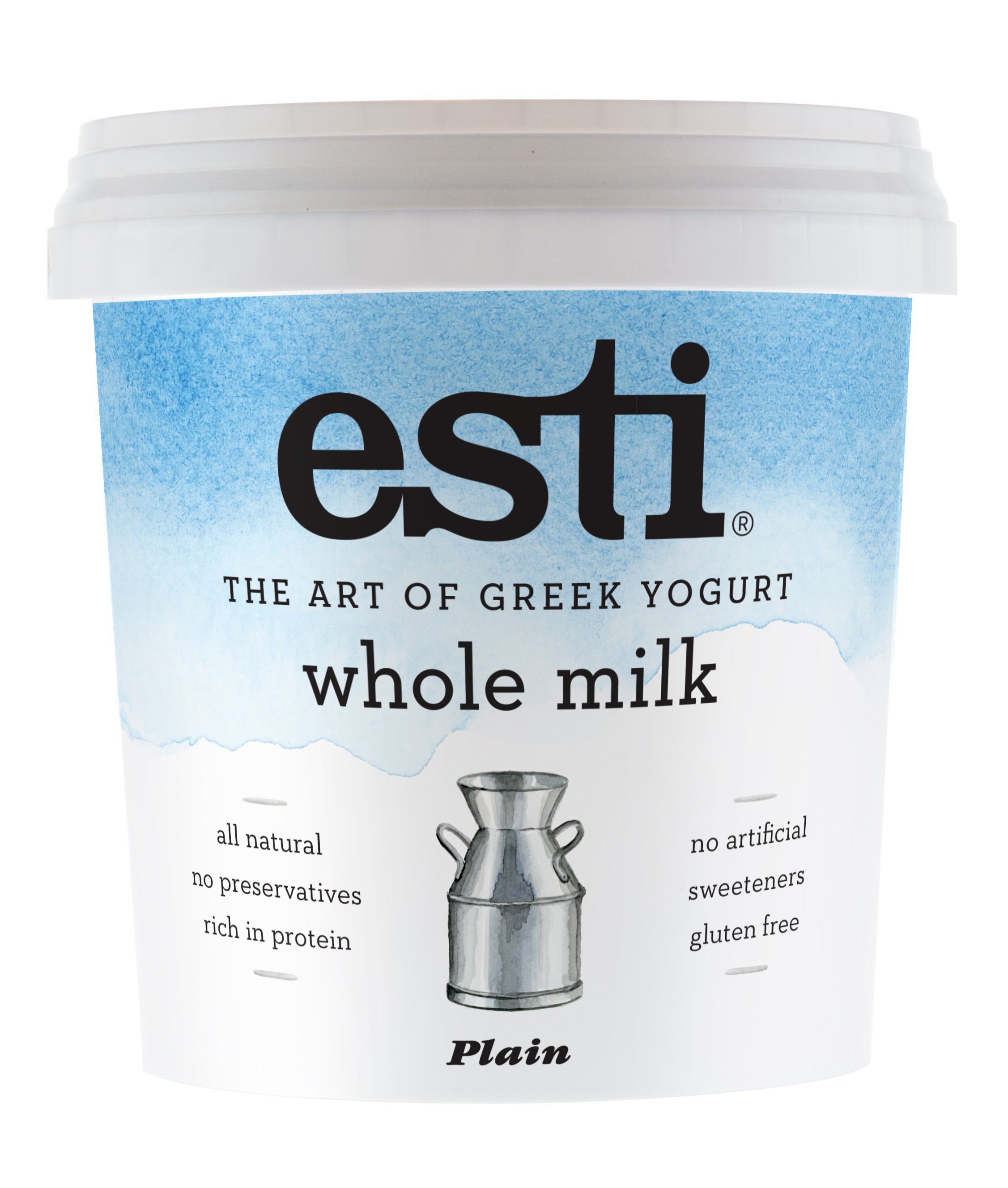


At a glance
Summary
This product contains beneficial ingredients like yogurt and live active cultures, which support gut health and provide essential nutrients. However, the presence of added cane sugar, a refined sweetener, detracts from its nutritional profile. The product is moderately processed, which limits its score despite the overall clean ingredient list.
Key ingredients 11
Live Active CulturesVery Good
Live Active Cultures are beneficial bacteria that promote a healthy gut microbiome. They are added to yogurt to enhance probiotic content. These cultures improve digestion and immune function.
Benefits
Supports gut health and boosts the immune system. Enhances nutrient absorption.
YogurtGood
Yogurt is a fermented dairy product rich in probiotics, which support gut health. It is made from milk and live cultures, providing beneficial bacteria. The fermentation process enhances nutrient absorption and digestion.
Risks
Some individuals may be lactose intolerant and experience digestive discomfort.
Benefits
Contains probiotics that improve gut flora and digestion. Provides calcium and protein essential for bone health.
Grade A Pasteurized MilkGood
Grade A Pasteurized Milk is a high-quality dairy product that provides essential nutrients like calcium and vitamin D. Pasteurization ensures safety by eliminating harmful bacteria. It is a primary source of protein and calcium.
Risks
Lactose intolerance can cause digestive issues for some individuals.
Benefits
Rich in calcium and vitamin D, supporting bone health. Provides high-quality protein necessary for muscle maintenance.
Grade A Milk Protein ConcentrateGood
Milk Protein Concentrate is a concentrated source of dairy proteins, offering a complete amino acid profile. It is derived from milk through filtration processes. This ingredient enhances the protein content of the product.
Risks
May cause allergic reactions in individuals with milk allergies.
Benefits
Provides a high-quality protein source that supports muscle growth and repair. Contains essential amino acids.
S. ThermophilusGood
S. Thermophilus is a probiotic bacterium used in yogurt fermentation. It aids in lactose digestion and enhances yogurt texture. This bacterium contributes to the probiotic benefits of yogurt.
Benefits
Improves lactose digestion and supports gut health. Contributes to the creamy texture of yogurt.
L. BulgaricusGood
L. Bulgaricus is a probiotic strain essential for yogurt fermentation. It helps in breaking down lactose and improving gut health. This bacterium is known for its role in traditional yogurt making.
Benefits
Enhances gut health and aids in lactose digestion. Contributes to the tangy flavor of yogurt.
L. AcidophilusGood
L. Acidophilus is a well-known probiotic that supports digestive health. It is commonly added to yogurt to boost its probiotic content. This bacterium helps maintain a balanced gut microbiome.
Benefits
Promotes a healthy digestive system and enhances immune function. Supports the balance of gut bacteria.
BifidusGood
Bifidus is a probiotic strain that aids in digestion and supports immune health. It is often included in yogurt for its beneficial effects on gut flora. This bacterium helps reduce gastrointestinal discomfort.
Benefits
Improves gut health and supports the immune system. Helps alleviate digestive issues.
L. CaseiGood
L. Casei is a probiotic bacterium that enhances gut health and digestion. It is included in yogurt to increase its probiotic benefits. This strain is known for its ability to survive in the digestive tract.
Benefits
Supports digestive health and boosts the immune system. Contributes to the overall probiotic content of yogurt.
HoneyGood
Traditional whole-food sweetener with trace enzymes and antioxidants.
Risks
Excessive consumption can contribute to increased calorie intake and potential weight gain.
Benefits
Contains antioxidants and trace nutrients that may offer minor health benefits.
Cane SugarBad
Cane Sugar is a refined sugar used to sweeten foods. It provides empty calories without significant nutritional benefits. Excessive consumption can lead to health issues like obesity and diabetes.
Risks
High intake of refined sugars can contribute to weight gain and increase the risk of metabolic diseases.
Processing
Processed Foods
Get the full breakdown in the Scout appTake Scout shopping
Scan any product to see lab results, healthy alternatives, and your personalized analysis.
Download on theApp Store GET IT ONGoogle Play