
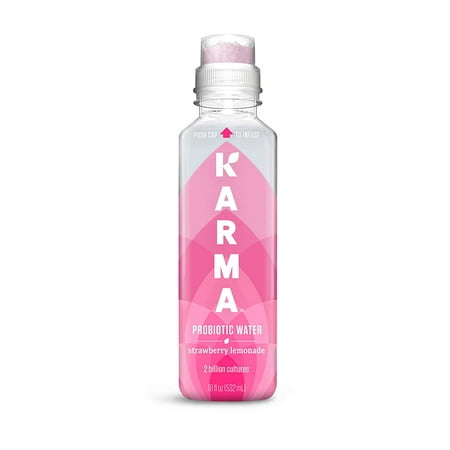

Karma Probiotic Water Strawberry Lemonade 18 fl oz. 1 Count Bottle
Analysis updated August 2026 · How Scout scores
At a glance
Summary
This probiotic water contains beneficial ingredients such as Bacillus coagulans, which supports gut health, and several vitamins that contribute to overall wellness. However, the presence of cane sugar and natural flavors, which lack transparency, slightly detracts from its health profile. Despite being ultra-processed, the product maintains a relatively clean label with minimal additives.
Key ingredients 14
Probiotic CultureVery Good
Probiotic culture, specifically Bacillus coagulans GBI-30 6086, supports gut health and digestion. It is a beneficial bacteria that can improve intestinal flora balance. Regular consumption may enhance immune function.
Benefits
Supports gut health, improves digestion, and may enhance immune function.
NiacinamideGood
Niacinamide, or vitamin B3, is essential for energy metabolism and skin health. It is a water-soluble vitamin that supports cellular function. Adequate intake can improve skin appearance and reduce inflammation.
Benefits
Supports energy metabolism and skin health.
D-Calcium PantothenateGood
D-Calcium pantothenate, or vitamin B5, is important for synthesizing coenzyme A, which is crucial for fatty acid metabolism. It supports adrenal function and energy production. Adequate intake can reduce fatigue and improve stress response.
Benefits
Supports energy production and adrenal function.
D-Alpha-Tocopheryl AcetateGood
D-Alpha-tocopheryl acetate is a form of vitamin E, an antioxidant that protects cells from oxidative damage. It supports immune function and skin health. Adequate intake can reduce the risk of chronic diseases.
Benefits
Acts as an antioxidant, supporting immune function and skin health.
Pyridoxine HydrochlorideGood
Pyridoxine hydrochloride, or vitamin B6, is essential for amino acid metabolism and neurotransmitter synthesis. It supports brain health and mood regulation. Adequate intake can improve cognitive function and reduce depression symptoms.
Benefits
Supports brain health and mood regulation.
Chromium PicolinateGood
Chromium picolinate is a mineral that enhances insulin sensitivity and glucose metabolism. It is often used to support weight management and blood sugar control. Adequate intake can improve metabolic health and reduce the risk of type 2 diabetes.
Benefits
Enhances insulin sensitivity and supports glucose metabolism.
CyanocobalaminGood
Cyanocobalamin, or vitamin B12, is crucial for red blood cell formation and neurological function. It is a water-soluble vitamin that supports energy production. Adequate intake can prevent anemia and improve cognitive health.
Benefits
Supports red blood cell formation and neurological function.
Spring WaterNeutral
Spring water is a neutral ingredient that serves as the base for the beverage. It is typically free from contaminants and provides hydration. No significant health impacts are associated with its consumption.
See more about Spring Water →Citric AcidNeutral
Citric acid is used as a preservative and flavor enhancer in beverages. It is naturally found in citrus fruits and is generally recognized as safe. However, excessive consumption may lead to dental erosion.
Risks
Excessive consumption may lead to dental erosion.
Stevia Rebaudiana Leaf ExtractNeutral
Stevia rebaudiana leaf extract is a natural, zero-calorie sweetener. It is derived from the leaves of the stevia plant and is considered safe for consumption. It does not affect blood sugar levels.
Benefits
Provides sweetness without adding calories or affecting blood sugar levels.
Vegetable JuiceNeutral
Vegetable juice is used for coloring and does not significantly impact the nutritional profile of the product. It is derived from vegetables and is generally considered safe. It provides natural color without artificial dyes.
Benefits
Provides natural color without artificial dyes.
Vitamin A PalmitateNeutral
Standard formulation ingredient — neither beneficial nor harmful at typical use.
Risks
Excessive intake can lead to toxicity, but this is rare with normal consumption.
Benefits
Supports vision, immune function, and skin health.
Cane SugarBad
Cane sugar is a sweetener that can contribute to increased calorie intake and potential weight gain. It is a refined sugar with no essential nutrients. Overconsumption can lead to health issues such as obesity and diabetes.
Risks
Overconsumption can lead to obesity, diabetes, and other metabolic disorders.
Natural FlavorsBad
Natural flavors are a catch-all term for flavoring agents derived from natural sources. They lack transparency and can include a wide range of substances. The lack of specificity can be concerning for those with allergies or sensitivities.
Risks
Potential allergen risk due to lack of transparency in ingredient sourcing.
Processing
Ultra-Processed Foods
Get the full breakdown in the Scout appTake Scout shopping
Scan any product to see lab results, healthy alternatives, and your personalized analysis.
Download on theApp Store GET IT ONGoogle PlayAmazon pricing & content
Amazon price as of . Product prices and availability are accurate as of the date/time indicated and are subject to change. Any price and availability information displayed on Amazon.com at the time of purchase will apply to the purchase of this product.
CERTAIN CONTENT THAT APPEARS ON THIS SITE COMES FROM AMAZON. THIS CONTENT IS PROVIDED “AS IS” AND IS SUBJECT TO CHANGE OR REMOVAL AT ANY TIME.