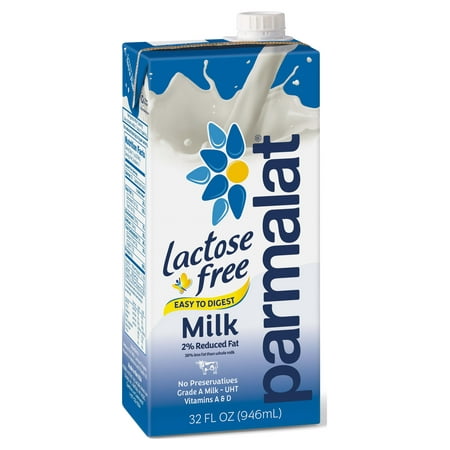
LACTOSE FREE MILK
At a glance
Summary
This lactose-free milk is processed but maintains a clean ingredient list with reduced fat milk, lactase enzyme, and added vitamins. The lactase enzyme makes it suitable for lactose-intolerant individuals, enhancing its accessibility without compromising nutritional value. The absence of harmful additives and the inclusion of beneficial nutrients like vitamin D3 contribute positively to its health profile, although the processing level limits its maximum score. Its plastic packaging can shed microplastics into the food and lowers its score.
Key ingredients 4
Lactase enzymeGood
Lactase enzyme is added to break down lactose, making the milk suitable for lactose-intolerant individuals. It helps in digesting lactose, preventing discomfort associated with lactose intolerance. The enzyme ensures that lactose-intolerant individuals can enjoy milk without adverse effects.
Benefits
Enables lactose-intolerant individuals to consume milk without digestive issues.
Vitamin D3Good
Beneficial ingredient — whole-food or functional value in this product class.
Risks
Excessive intake can lead to vitamin D toxicity, causing hypercalcemia.
Benefits
Enhances calcium absorption and supports bone health.
Reduced fat milkNeutral
Standard formulation ingredient — neither beneficial nor harmful at typical use.
Benefits
Provides essential nutrients like calcium and protein, supporting bone health and muscle maintenance.
Vitamin A palmitateNeutral
Vitamin A palmitate is a synthetic form of vitamin A added to fortify milk. It helps maintain healthy vision and immune function. While beneficial, it is important to consume in moderation to avoid hypervitaminosis A.
Risks
Excessive intake can lead to hypervitaminosis A, a condition caused by vitamin A toxicity.
Benefits
Supports healthy vision and immune function.
Processing
Processed Foods
Get the full breakdown in the Scout appTake Scout shopping
Scan any product to see lab results, healthy alternatives, and your personalized analysis.