

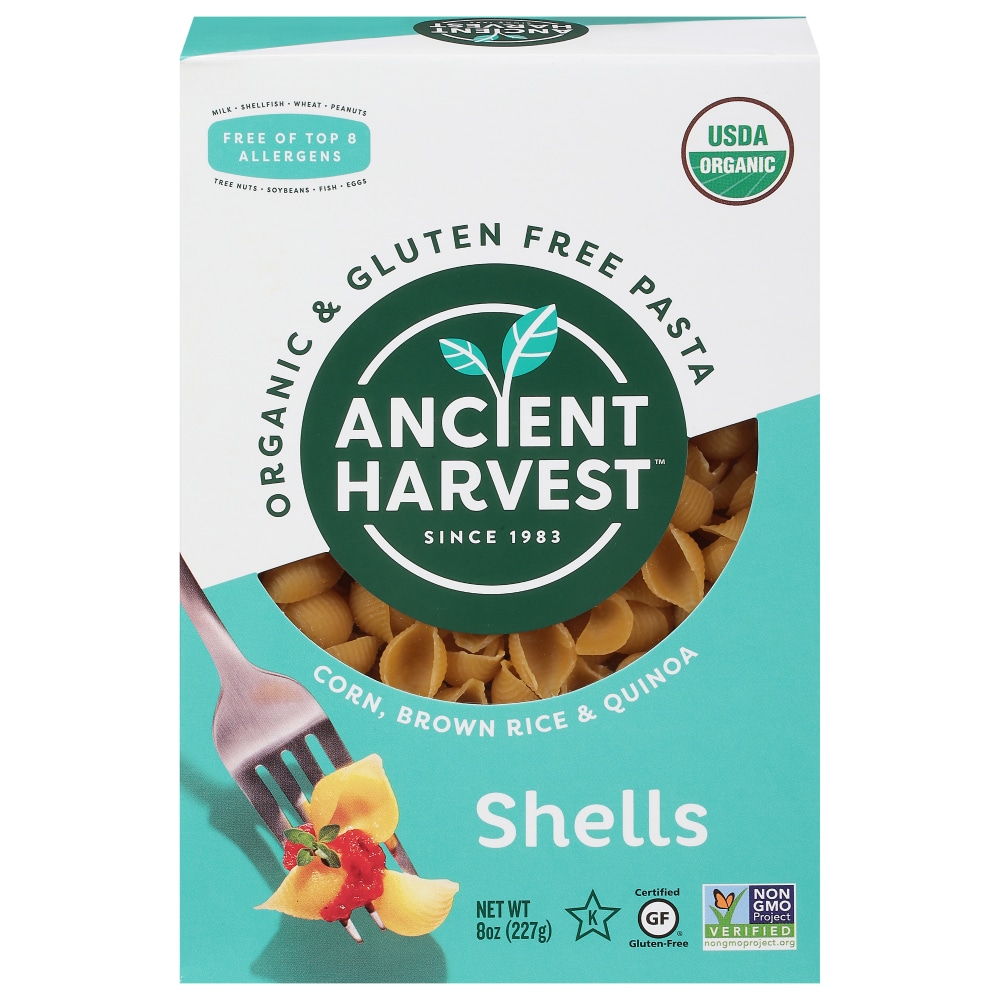



Banza Gluten Free Chickpea Shells & White Cheddar - 5.5oz
Summary
This product features beneficial ingredients like chickpeas and cheddar cheese, which provide protein and essential nutrients. However, it includes disodium phosphate, a processed additive, and is moderately processed overall. The presence of three additives and the processed nature of the product limit its score, despite the nutritional benefits of its primary ingredients.
At a glance
Key ingredients 13
ChickpeasVery Good
Chickpeas are a nutrient-dense legume rich in protein and fiber. They provide essential vitamins and minerals, supporting digestive health and satiety. As a whole food, they are minimally processed and offer a plant-based protein source.
Benefits
Rich in protein and fiber, chickpeas support digestive health and help maintain stable blood sugar levels.
TapiocaNeutral
Tapioca is a starch extracted from cassava root, often used as a thickening agent. It is gluten-free and provides carbohydrates but lacks significant nutritional value. Its processing involves peeling, grating, and drying the cassava root.
Benefits
Provides a gluten-free source of carbohydrates, suitable for those with gluten intolerance.
Pea proteinNeutral
Pea protein is a plant-based protein derived from yellow peas. It is a good source of essential amino acids but may have lower bioavailability compared to animal proteins. The extraction process involves drying and milling the peas to isolate the protein.
Risks
May cause digestive discomfort in some individuals due to its fiber content.
Benefits
Provides a plant-based protein option that is allergen-friendly and supports muscle maintenance.
Xanthan gumNeutral
Xanthan gum is a polysaccharide used as a thickening and stabilizing agent in foods. It is produced through fermentation of sugars by the Xanthomonas campestris bacterium. While it improves texture, it is an additive with no nutritional benefits.
Risks
Excessive consumption may lead to digestive issues such as bloating or gas.
Benefits
Improves texture and stability of food products, enhancing the eating experience.
Cheddar cheeseGood
Cheddar cheese is a dairy product made from cultured pasteurized milk, providing calcium and protein. It undergoes a natural aging process that enhances flavor and nutritional content. As a whole food, it contributes beneficial nutrients to the diet.
Risks
Contains saturated fats and sodium, which should be consumed in moderation.
Benefits
Rich in calcium and protein, supporting bone health and muscle maintenance.
Nonfat milkNeutral
Nonfat milk is milk with the fat removed, providing protein and calcium without the added calories from fat. It is pasteurized to ensure safety and extend shelf life. While it offers essential nutrients, it lacks the fat-soluble vitamins found in whole milk.
Benefits
Provides protein and calcium, supporting bone health without added fat.
ButtermilkNeutral
Buttermilk is a fermented dairy product that is low in fat and rich in probiotics. It is made by adding bacterial cultures to milk, which enhances its nutritional profile. While it supports gut health, it is often used in small quantities in recipes.
Benefits
Contains probiotics that may support digestive health.
SaltNeutral
Salt is a mineral composed primarily of sodium chloride, used to enhance flavor. It is essential for maintaining fluid balance and nerve function but should be consumed in moderation. Excessive intake can lead to health issues such as hypertension.
Risks
High sodium intake may contribute to hypertension and cardiovascular disease.
Benefits
Essential for maintaining fluid balance and nerve function.
Disodium phosphateBad
Disodium phosphate is an inorganic phosphate additive used as an emulsifier and stabilizer. It is highly processed and can contribute to excessive phosphate intake. High phosphate levels are linked to health concerns such as kidney stress and bone mineral disruption.
Risks
May contribute to kidney stress and bone mineral disruption when consumed in excess.
Lactic acidNeutral
Lactic acid is a naturally occurring organic acid used as a preservative and flavoring agent. It is produced through fermentation and is generally recognized as safe. It helps maintain the acidity and flavor of food products.
Benefits
Helps preserve food and enhance flavor without significant health risks.
Cultured whole milkGood
Cultured whole milk is milk that has been fermented with beneficial bacteria, enhancing its probiotic content. It provides essential nutrients such as calcium and vitamin D. The fermentation process improves digestibility and supports gut health.
Risks
Contains saturated fats, which should be consumed in moderation.
Benefits
Rich in probiotics, supporting digestive health and providing essential nutrients.
Citric acidNeutral
Citric acid is a weak organic acid used as a preservative and flavor enhancer. It is naturally found in citrus fruits and is produced through fermentation for commercial use. It helps maintain the acidity and freshness of food products.
Benefits
Enhances flavor and preserves freshness without significant health risks.
Silicon dioxideNeutral
Silicon dioxide is a naturally occurring mineral used as an anti-caking agent in food products. It prevents clumping and ensures smooth texture. It is considered safe for consumption in small amounts.
Benefits
Prevents clumping and maintains product texture without significant health risks.
Processing
Processed Foods
Get the full breakdown in the Scout app
Scan any product to see lab results, healthy alternatives, and your personalized analysis.
Download on theApp Store