


At a glance
Summary
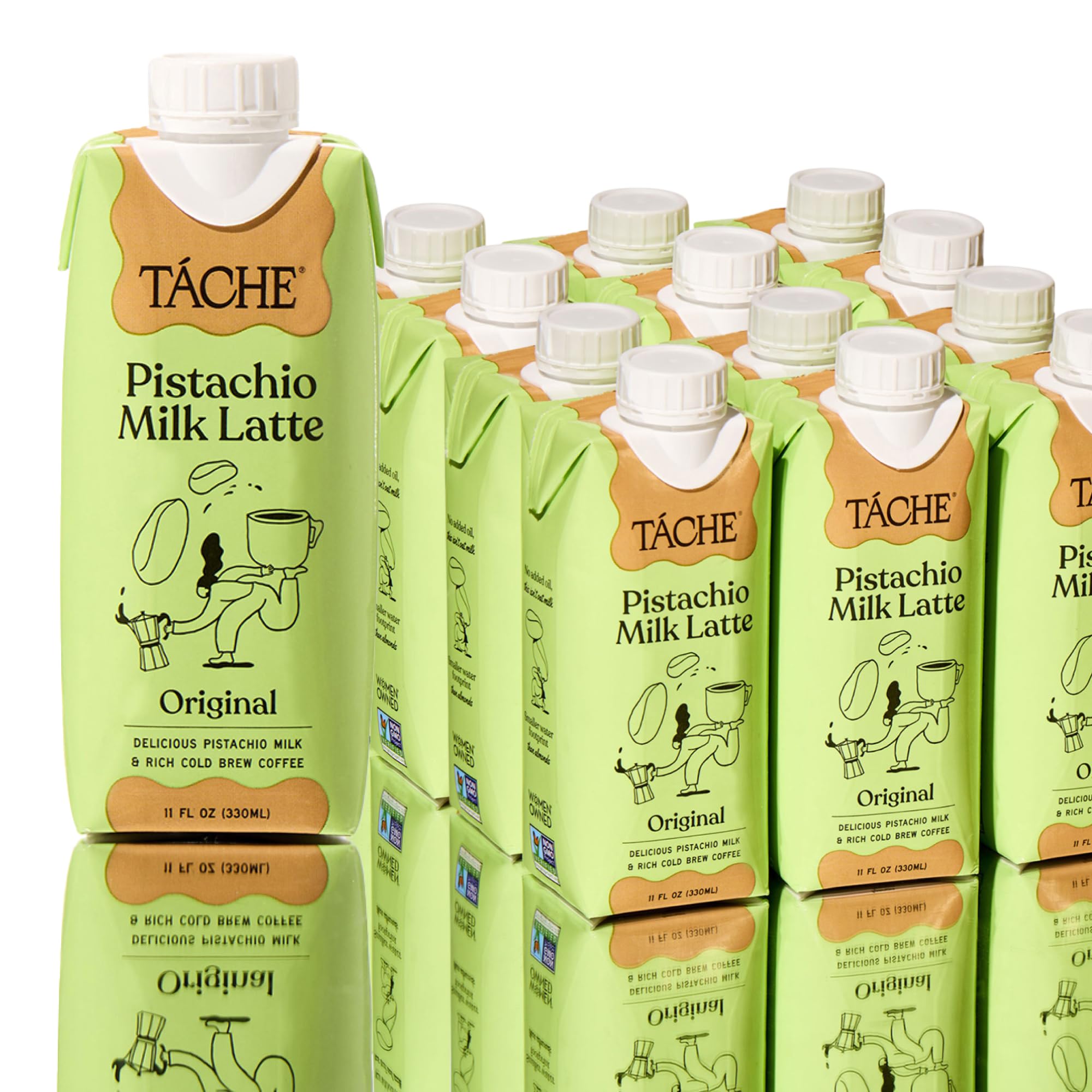
This pistachio milk is ultra-processed, which limits its potential health score. While it contains beneficial ingredients like pistachios and calcium carbonate, the addition of refined sugar and natural flavors detracts from its nutritional quality. The presence of gums and other additives further contributes to its high processing level, impacting its overall healthiness.
Key ingredients 10
PistachiosGood
Pistachios are a good source of healthy fats, protein, and fiber. They contain antioxidants and nutrients like vitamin B6 and potassium. Their inclusion in the milk provides a nutty flavor and nutritional benefits.
Risks
Potential allergen for individuals with nut allergies.
Benefits
Rich in healthy fats and antioxidants, supporting heart health and providing essential nutrients.
Sea SaltGood
Sea salt is a natural source of sodium and trace minerals. It is less processed than table salt and can enhance flavor. It provides essential electrolytes needed for bodily functions.
Risks
Excessive sodium intake can lead to hypertension and cardiovascular issues.
Benefits
Contains trace minerals that support electrolyte balance and overall health.
WaterNeutral
Water is a neutral ingredient used as a base in many beverages. It provides hydration but no additional nutritional benefits. It is essential for dissolving other ingredients and creating the desired consistency.
See more about Water →Gum AcaciaNeutral
Gum acacia is a natural thickener and stabilizer derived from the acacia tree. It is used to improve texture and consistency in food products. It is generally recognized as safe and has minimal impact on health.
Risks
Excessive consumption may cause digestive discomfort.
Benefits
May provide dietary fiber, supporting digestive health.
Gellan GumNeutral
Gellan gum is a gelling agent used to stabilize and thicken products. It is produced through bacterial fermentation and is considered safe in small amounts. It helps maintain the desired texture of the milk.
Risks
May cause digestive issues if consumed in large quantities.
Dipotassium PhosphateNeutral
Dipotassium phosphate is used as an emulsifier and stabilizer in food products. It helps maintain the consistency and shelf life of the product. It is generally recognized as safe when used in moderation.
Risks
Excessive intake may affect kidney function.
Calcium CarbonateNeutral
Standard formulation ingredient — neither beneficial nor harmful at typical use.
Risks
Excessive intake may lead to kidney stones or hypercalcemia.
Benefits
Provides a significant source of calcium, supporting bone and dental health.
Tricalcium PhosphateNeutral
Tricalcium phosphate is used as a calcium fortifier and anti-caking agent. It helps improve the calcium content of the product. It is generally recognized as safe and contributes to bone health.
Risks
Excessive consumption may lead to imbalances in mineral absorption.
Benefits
Provides additional calcium, supporting bone health.
SugarBad
Refined sugar is added for sweetness but contributes empty calories. Excessive consumption can lead to health issues like obesity and diabetes. It lacks nutritional benefits and can overshadow the natural flavors of the product.
Risks
High intake may increase the risk of obesity, diabetes, and dental cavities.
Natural FlavorBad
Natural flavors are often used to enhance taste but can be highly processed. They may contain undisclosed additives and do not provide nutritional value. The term 'natural' can be misleading as it does not guarantee minimal processing.
Risks
Potential for undisclosed additives and allergens.
Processing
Ultra-Processed Foods
Get the full breakdown in the Scout appTake Scout shopping
Scan any product to see lab results, healthy alternatives, and your personalized analysis.
Download on theApp Store GET IT ONGoogle Play