



At a glance
Summary
This Tikka Masala contains a variety of beneficial ingredients such as tomatoes, onions, garlic, and cashews, which contribute to its nutritional profile. However, the presence of refined sugar and the use of olive pomace oil, which is a more processed form of olive oil, slightly detract from its overall healthiness. The product is moderately processed, which limits its score despite the generally clean ingredient list.
Key ingredients 20
TomatoesGood
Tomatoes are a rich source of vitamins and antioxidants, particularly lycopene. They are minimally processed and provide essential nutrients. Their natural sugars and acids contribute to flavor without excessive processing.
Benefits
Rich in vitamins C and K, and antioxidants like lycopene, which may reduce the risk of chronic diseases.
OnionGood
Onions are a natural source of vitamins, minerals, and antioxidants. They are used fresh or minimally processed, retaining most of their nutritional value. Onions add flavor and health benefits to dishes.
Benefits
Contains antioxidants and compounds that may support heart health and reduce inflammation.
CreamGood
Traditional whole-fat dairy ingredient.
Risks
High in saturated fats, which may contribute to heart disease if consumed in large amounts.
Benefits
Provides a rich texture and flavor, and contains fat-soluble vitamins like A and D.
GarlicGood
Garlic is a natural ingredient known for its health benefits and flavor enhancement. It contains compounds like allicin, which have been linked to various health benefits. Garlic is minimally processed, retaining its beneficial properties.
Benefits
May support heart health and immune function due to its antioxidant and anti-inflammatory properties.
CashewsGood
Cashews are a nutrient-dense nut providing healthy fats, protein, and minerals. They are minimally processed and contribute to the creaminess and nutritional profile of the dish. Cashews are a good source of monounsaturated fats.
Risks
May cause allergic reactions in individuals with nut allergies.
Benefits
Rich in healthy fats, protein, and essential minerals like magnesium and zinc.
GingerGood
Ginger is a spice known for its anti-inflammatory and digestive benefits. It is used in its natural form, retaining its beneficial compounds. Ginger adds flavor and potential health benefits to the dish.
Benefits
May aid digestion and reduce inflammation due to its bioactive compounds.
Kashmiri Chili PowderGood
Kashmiri chili powder is a spice that adds color and mild heat to dishes. It is minimally processed and contains antioxidants. The vibrant color indicates the presence of beneficial carotenoids.
Benefits
Provides antioxidants and enhances the visual appeal and flavor of dishes.
CilantroGood
Cilantro is a fresh herb that adds flavor and nutrients to dishes. It is rich in vitamins and antioxidants and is used fresh, retaining its nutritional benefits. Cilantro can enhance the flavor profile of the dish.
Benefits
Rich in vitamins A, C, and K, and may support detoxification processes.
Green ChiliGood
Green chili adds heat and flavor to dishes and is a source of vitamins and antioxidants. It is used fresh or minimally processed, retaining its nutritional value. The capsaicin in chili may have health benefits.
Risks
May cause irritation or discomfort in sensitive individuals.
Benefits
Contains capsaicin, which may boost metabolism and provide anti-inflammatory effects.
Dried Fenugreek LeavesGood
Dried fenugreek leaves add flavor and potential health benefits to dishes. They are rich in vitamins and minerals and are used in a dried form, preserving their nutritional content. Fenugreek leaves are known for their digestive benefits.
Benefits
May aid digestion and provide vitamins and minerals like iron and magnesium.
Ground CorianderGood
Ground coriander is a spice that adds flavor and potential health benefits. It is rich in antioxidants and is used in its ground form, retaining its beneficial properties. Coriander may support digestion and reduce inflammation.
Benefits
Contains antioxidants and may aid digestion and reduce inflammation.
TurmericGood
Turmeric is a spice known for its anti-inflammatory and antioxidant properties. It contains curcumin, which has been studied for its health benefits. Turmeric is used in its natural form, retaining its beneficial compounds.
Benefits
May reduce inflammation and provide antioxidant benefits due to curcumin.
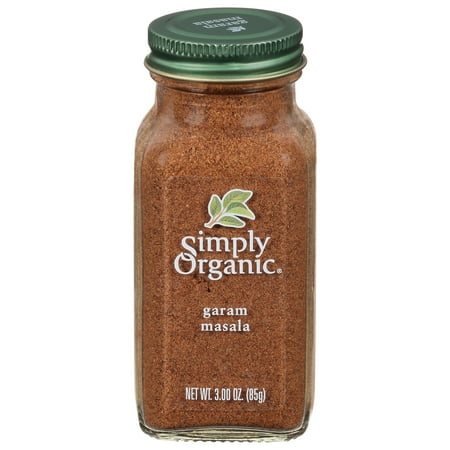
Garam MasalaGood
Garam masala is a spice blend that adds flavor and potential health benefits. It contains a variety of spices, each contributing antioxidants and nutrients. The blend is used in its natural form, enhancing the dish's flavor profile.
Benefits
Provides a range of antioxidants and enhances the flavor and aroma of dishes.
CardamomGood
Cardamom is a spice known for its aromatic flavor and potential health benefits. It is rich in antioxidants and is used in its natural form, retaining its beneficial properties. Cardamom may aid digestion and support oral health.
Benefits
Contains antioxidants and may aid digestion and support oral health.
Olive Pomace OilNeutral
Olive pomace oil is a refined oil extracted from the residue of olive pressing. It is less beneficial than extra virgin olive oil due to its processing. However, it still contains some monounsaturated fats.
Risks
Refined processing may reduce beneficial compounds and introduce unwanted chemicals.
Benefits
Contains monounsaturated fats that can support heart health.
WaterNeutral
Water is used as a solvent and to adjust the consistency of the product. It is a neutral ingredient with no nutritional value. Its presence is essential for the texture and preparation of the dish.
See more about Water →ButterNeutral
Butter is a dairy product that adds flavor and richness to dishes. It contains saturated fats, which should be consumed in moderation. The quality of butter can vary based on the source and processing.
Risks
High in saturated fats, which may contribute to heart disease if consumed in large amounts.
Benefits
Provides a rich flavor and contains fat-soluble vitamins like A and D.
Milk SolidsNeutral
Milk solids are used to enhance the creaminess and nutritional profile of the product. They contain proteins and lactose, which can be beneficial or problematic depending on individual tolerance. The processing of milk solids can affect their nutritional content.
Risks
May cause issues for those with lactose intolerance or dairy allergies.
Benefits
Provides protein and calcium, contributing to the nutritional value of the product.
SaltNeutral
Salt is used to enhance flavor and preserve the product. It is a necessary ingredient in moderation but can contribute to high blood pressure if consumed excessively. The type of salt used can affect its mineral content.
Risks
Excessive consumption can lead to high blood pressure and cardiovascular issues.
Benefits
Enhances flavor and is essential for various bodily functions in moderation.
SugarBad
Refined sugar is added for sweetness but offers no nutritional benefits. It can contribute to health issues like obesity and diabetes when consumed in excess. The presence of sugar in processed foods is often a concern for overall health.
Risks
Excessive consumption can lead to obesity, diabetes, and other metabolic disorders.
Processing
Processed Foods
Get the full breakdown in the Scout appTake Scout shopping
Scan any product to see lab results, healthy alternatives, and your personalized analysis.
Download on theApp Store GET IT ONGoogle PlayAmazon pricing & content
CERTAIN CONTENT THAT APPEARS ON THIS SITE COMES FROM AMAZON. THIS CONTENT IS PROVIDED “AS IS” AND IS SUBJECT TO CHANGE OR REMOVAL AT ANY TIME.