


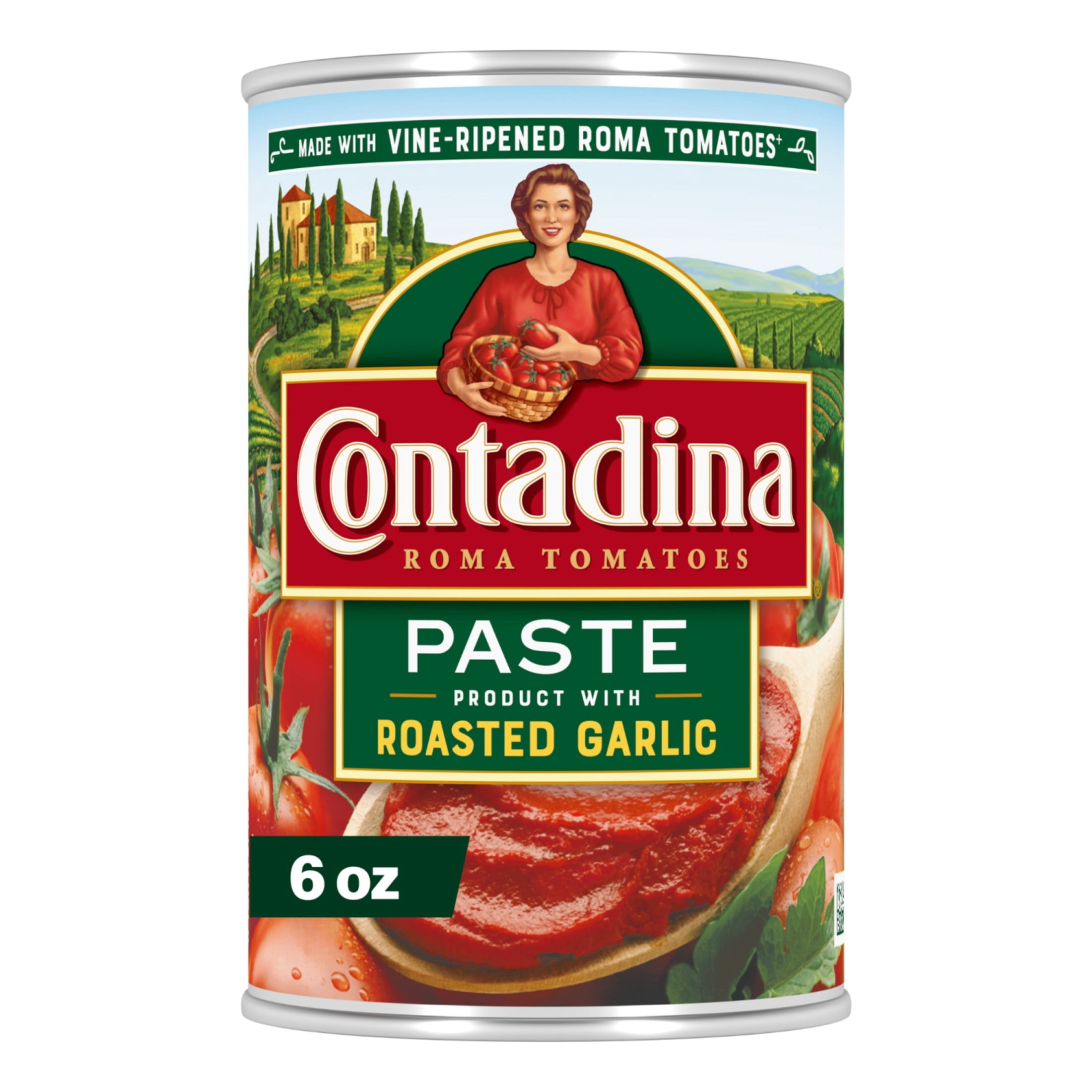


At a glance
Summary
This product contains beneficial ingredients like red pepper and tomatoes, which are rich in vitamins and antioxidants. However, the presence of synthetic preservatives such as potassium sorbate and sodium benzoate indicates a higher level of processing. These preservatives, while generally safe, contribute to the product's processed nature and limit its overall health score.
Key ingredients 5
Red pepperGood
Red peppers are rich in vitamins A and C, providing antioxidant benefits. They are minimally processed and retain most of their natural nutrients. Their vibrant color indicates a high content of beneficial phytonutrients.
Benefits
Rich in vitamins A and C, which support immune function and skin health. Contains antioxidants that may reduce inflammation.
TomatoesGood
Tomatoes are a good source of vitamins C and K, as well as potassium and folate. They are minimally processed in this product, preserving their nutritional value. Lycopene, a powerful antioxidant found in tomatoes, is linked to various health benefits.
Benefits
Contains lycopene, which may reduce the risk of heart disease and certain cancers. Provides essential vitamins and minerals that support overall health.
SaltNeutral
Salt is used as a seasoning and preservative in many foods. It is a refined ingredient without additional trace minerals. While necessary for bodily functions, excessive intake can lead to health issues.
Risks
High sodium intake can contribute to hypertension and cardiovascular disease.
Benefits
Essential for maintaining fluid balance and nerve function in the body.
Potassium sorbateBad
Potassium sorbate is a synthetic preservative used to extend shelf life. It is generally recognized as safe but may cause allergic reactions in sensitive individuals. Its presence indicates a level of processing beyond minimal preservation methods.
Risks
May cause skin irritation or allergic reactions in some individuals.
Benefits
Effectively inhibits the growth of mold and yeast, extending product shelf life.
Sodium benzoateBad
Sodium benzoate is a widely used preservative that prevents microbial growth. It can form benzene, a carcinogen, when combined with vitamin C under certain conditions. Its use reflects a higher level of processing in the product.
Risks
Potential to form benzene, a known carcinogen, when combined with ascorbic acid (vitamin C).
Benefits
Prevents spoilage by inhibiting the growth of bacteria, yeast, and fungi.
Processing
Processed Foods
Get the full breakdown in the Scout appTake Scout shopping
Scan any product to see lab results, healthy alternatives, and your personalized analysis.
Download on theApp Store GET IT ONGoogle Play