
:format(jpg)/d2lnr5mha7bycj.cloudfront.net/product-image/file/large_518d48d3-d489-4028-9859-477dcabd6502.jpg)
At a glance
Summary
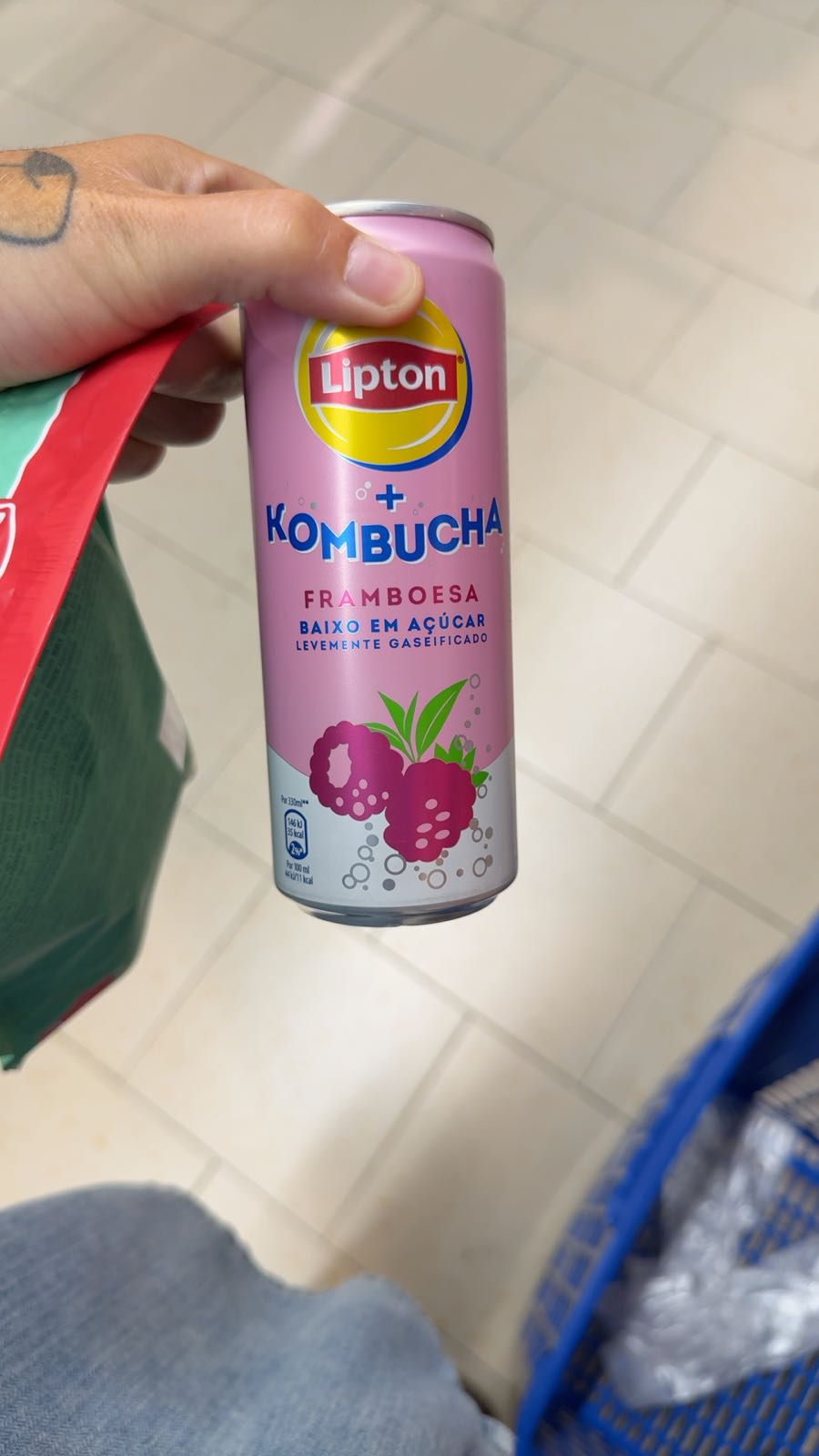
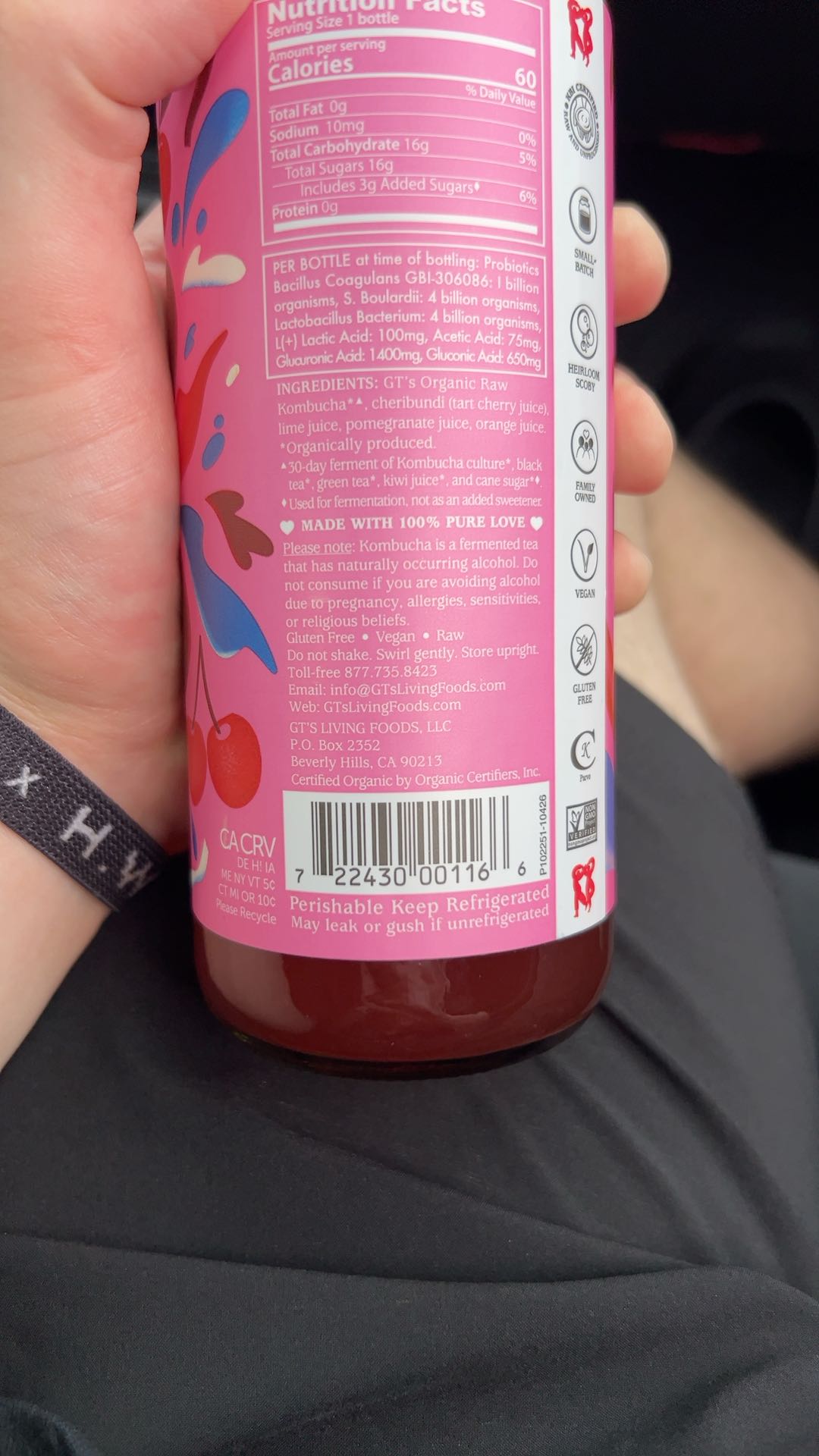
This kombucha beverage contains beneficial ingredients like black tea extract and probiotics, which support gut health and provide antioxidants. However, it includes added sugar and natural flavors, which can detract from its overall healthfulness. The product is moderately processed, which limits its potential score despite the presence of live cultures and other positive elements.
Key ingredients 12
Black Tea ExtractGood
Black tea extract is rich in antioxidants, which can help reduce oxidative stress in the body. It contains polyphenols that may support heart health and improve gut health. The fermentation process in kombucha may enhance these benefits.
Risks
Excessive consumption of black tea can lead to caffeine-related side effects such as insomnia or jitteriness.
Benefits
Rich in antioxidants and polyphenols that support overall health and may improve gut health.
Kombucha PowderGood
Kombucha powder provides probiotics that can support gut health and improve digestion. It is derived from fermented tea, which may enhance its antioxidant properties. The presence of live cultures can contribute to a healthy microbiome.
Risks
Overconsumption may lead to digestive discomfort or bloating in sensitive individuals.
Benefits
Contains probiotics that support gut health and may improve digestion.
Apple Cider VinegarGood
Beneficial ingredient — whole-food or functional value in this product class.
Risks
Excessive consumption can lead to tooth enamel erosion and digestive discomfort.
Benefits
May aid digestion and support weight management in larger quantities.
Ascorbic AcidGood
Vitamin C — beneficial even when serving as a preservative.
Benefits
Acts as an antioxidant, preserving the beverage and potentially supporting immune health.
Bacillus CoagulansGood
Bacillus coagulans is a probiotic that can support gut health and improve digestion. It is known for its ability to survive the acidic environment of the stomach, enhancing its effectiveness. It may contribute to a balanced microbiome.
Benefits
Supports gut health and improves digestion through probiotic action.
WaterNeutral
Water is a neutral ingredient that serves as the base for the beverage. It does not contribute any calories or nutrients. It is essential for hydration but does not provide additional health benefits in this context.
See more about Water →Carbon DioxideNeutral
Carbon dioxide is used to carbonate the beverage, providing a fizzy texture. It does not contribute any nutritional value or health benefits. It is generally considered safe for consumption in beverages.
See more about Carbon Dioxide →Malic AcidNeutral
Malic acid is used as an acidulant to enhance flavor and preserve the beverage. It is naturally found in fruits and is generally recognized as safe. It does not provide significant health benefits or risks in small amounts.
See more about Malic Acid →Citric AcidNeutral
Citric acid is a common acidulant used to enhance flavor and preserve freshness. It is naturally found in citrus fruits and is generally recognized as safe. It does not provide significant health benefits or risks in small amounts.
See more about Citric Acid →Steviol GlycosidesNeutral
Steviol glycosides are natural sweeteners derived from the stevia plant. They provide sweetness without calories and are generally considered safe. They do not significantly impact blood sugar levels.
Benefits
Provides sweetness without calories, suitable for those managing blood sugar levels.
SugarBad
Sugar is an added sweetener that can contribute to excessive calorie intake and potential weight gain. It can lead to spikes in blood sugar levels and may increase the risk of metabolic disorders. In moderation, it provides energy but lacks nutritional value.
Risks
High consumption can lead to obesity, diabetes, and other metabolic disorders.
Benefits
Provides a quick source of energy but lacks essential nutrients.
Natural FlavorsBad
Natural flavors are often used to enhance taste but lack transparency in their composition. They can contain a variety of compounds, some of which may not be beneficial. The lack of specificity makes it difficult to assess their health impact.
Risks
Potential allergenicity and lack of transparency in composition.
Processing
Processed Foods
Get the full breakdown in the Scout appTake Scout shopping
Scan any product to see lab results, healthy alternatives, and your personalized analysis.
Download on theApp Store GET IT ONGoogle Play