

At a glance
Summary
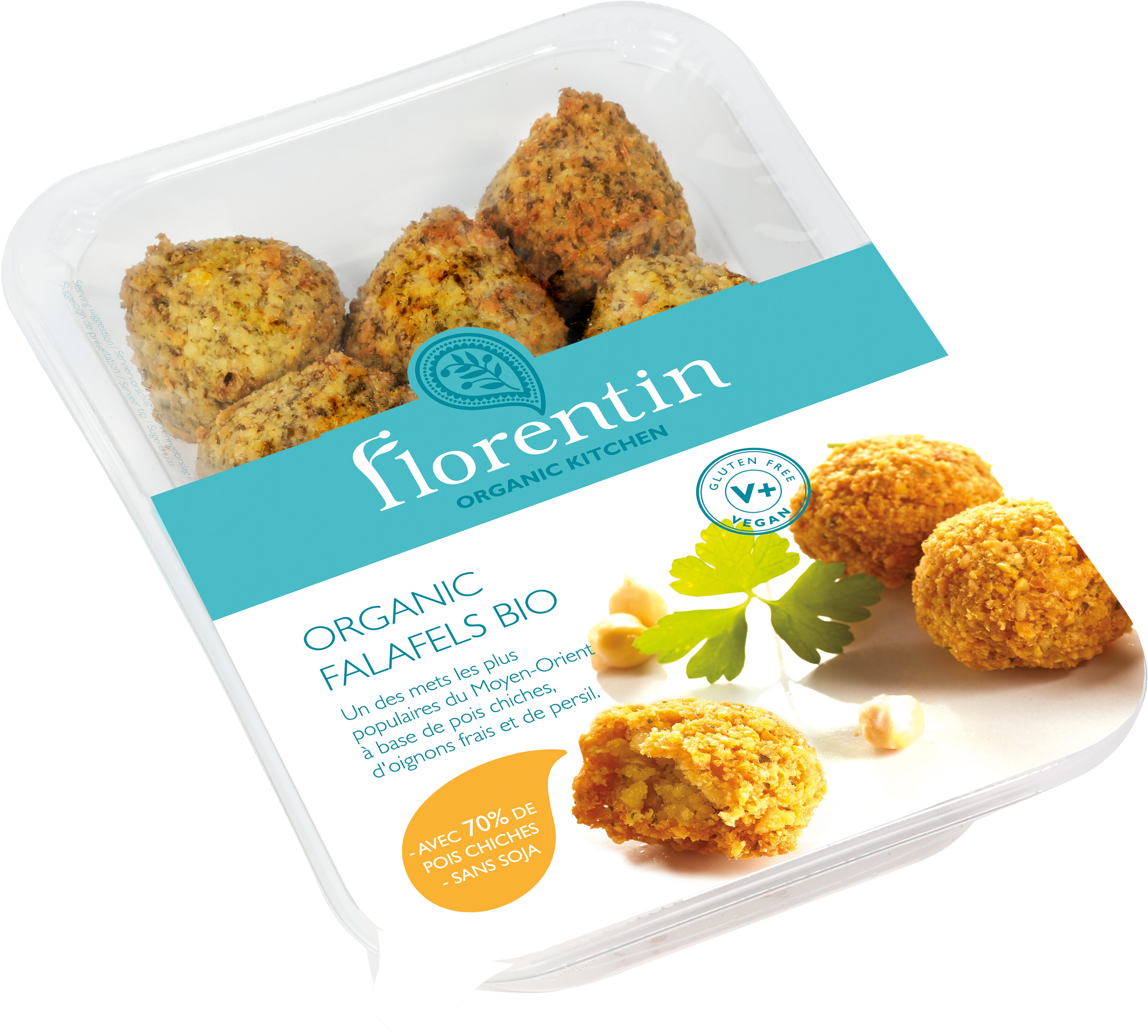
This product contains beneficial ingredients like organic chickpeas, onions, and parsley, which provide protein, fiber, and essential nutrients. However, the use of sunflower oil, a seed oil high in omega-6 fatty acids, and the presence of additives like xanthan gum and guar gum contribute to its ultra-processed nature. Despite its organic components, the processing level and inclusion of sunflower oil limit its overall healthiness.
Key ingredients 11
Soaked chickpeasVery Good
Chickpeas are a rich source of protein and fiber, contributing to satiety and digestive health. Being organic, they are free from synthetic pesticides and fertilizers. They also provide essential vitamins and minerals, supporting overall health.
Benefits
Rich in protein and fiber, chickpeas support digestive health and provide essential nutrients like iron and folate.
OnionsGood
Onions are known for their antioxidant properties and ability to enhance flavor naturally. They contain quercetin, which may have anti-inflammatory effects. Organic onions ensure no exposure to synthetic chemicals.
Benefits
Provide antioxidants and may support heart health due to their anti-inflammatory properties.
ParsleyGood
Parsley is a nutrient-dense herb rich in vitamins A, C, and K. It is organic, ensuring it is free from harmful pesticides. Parsley also contains antioxidants that may support immune function.
Benefits
Rich in vitamins and antioxidants, parsley supports immune health and provides anti-inflammatory benefits.
Sea saltGood
Sea salt is a natural source of sodium and trace minerals, enhancing flavor without excessive processing. It is less refined than table salt, retaining beneficial minerals. Sea salt can support electrolyte balance in the body.
Risks
Excessive consumption of salt can lead to high blood pressure and cardiovascular issues.
Benefits
Provides essential minerals and supports electrolyte balance, enhancing flavor naturally.
GarlicGood
Garlic is known for its potential health benefits, including antimicrobial and cardiovascular support. Organic garlic ensures no exposure to synthetic chemicals. It contains allicin, which may help reduce cholesterol levels.
Benefits
May support heart health and has antimicrobial properties due to its active compounds.
CuminGood
Cumin is a spice that adds flavor and has potential digestive benefits. It is organic, ensuring purity and absence of synthetic additives. Cumin may also have antioxidant properties that support overall health.
Benefits
Enhances flavor and may aid digestion, providing antioxidant benefits.
WaterNeutral
Water is a neutral ingredient used as a solvent and to adjust consistency. It does not contribute any nutritional value but is essential for hydration. In this product, it serves as a basic component without health impacts.
See more about Water →Xanthan gumNeutral
Xanthan gum is a thickener used to improve texture and stability in foods. It is derived from fermentation and is generally recognized as safe. While it does not provide nutritional benefits, it enhances product consistency.
Risks
Excessive consumption may cause digestive discomfort in sensitive individuals.
Guar gumNeutral
Guar gum is a natural thickening agent derived from guar beans. It is used to improve texture and stability in food products. While it does not offer nutritional benefits, it is generally considered safe in moderate amounts.
Risks
Excessive consumption may lead to digestive issues such as bloating or gas.
Lactic acidNeutral
Lactic acid is used as a preservative and acidity regulator in foods. It is naturally occurring and generally recognized as safe. It helps maintain product freshness and stability.
See more about Lactic acid →Sunflower oilVery Bad
Sunflower oil is a seed oil high in omega-6 fatty acids, which can promote inflammation if consumed in excess. It is often processed at high temperatures, which may degrade its nutritional quality. The high omega-6 content can disrupt the omega-3 to omega-6 balance in the diet.
Risks
High omega-6 content may promote inflammation when consumed in excess.
Processing
Ultra-Processed Foods
Get the full breakdown in the Scout appTake Scout shopping
Scan any product to see lab results, healthy alternatives, and your personalized analysis.
Download on theApp Store GET IT ONGoogle Play