
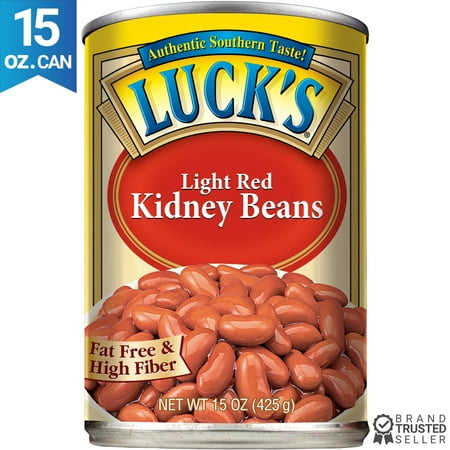
LIGHT RED KIDNEY BEANS
At a glance
Summary
The product contains light red kidney beans, which are a nutritious source of protein and fiber. However, the addition of refined sugar and disodium EDTA, a synthetic preservative, indicates a higher level of processing. These additives, while safe in small amounts, contribute to the product's classification as ultra-processed, which limits its health score.
Key ingredients 6
Prepared light red kidney beansNeutral
Light red kidney beans are a source of plant-based protein and fiber. They are minimally processed when prepared for canning. However, the canning process may reduce some nutrient levels compared to fresh beans.
Benefits
Rich in protein and fiber, which can support digestive health and provide a plant-based protein source.
WaterNeutral
Water is used as a medium for cooking and preserving the beans. It is a neutral ingredient with no nutritional impact. It helps maintain the moisture and texture of the beans during storage.
See more about Water →SaltNeutral
Salt is used for flavor enhancement and preservation. It is a common ingredient in canned foods to maintain taste and shelf life. While necessary in small amounts, excessive intake can lead to health issues.
Risks
High sodium intake can contribute to hypertension and cardiovascular diseases.
Calcium chlorideNeutral
Calcium chloride is used as a firming agent to maintain the texture of canned beans. It is generally recognized as safe and does not significantly impact nutritional value. It helps prevent beans from becoming mushy during processing.
See more about Calcium chloride →SugarBad
Refined sugar is added for taste but provides empty calories with no nutritional benefits. It can contribute to increased blood sugar levels and potential weight gain. Its presence in canned foods is often unnecessary and can be reduced.
Risks
Excessive consumption of sugar can lead to health issues such as obesity, diabetes, and heart disease.
Disodium edtaBad
Disodium EDTA is a synthetic preservative used to promote color retention in canned foods. It is considered safe in small amounts but is a marker of ultra-processed foods. Its use is unnecessary in whole, fresh foods.
Risks
Potential concerns include allergic reactions and interference with nutrient absorption if consumed in large quantities.
Processing
Ultra-Processed Foods
Get the full breakdown in the Scout appTake Scout shopping
Scan any product to see lab results, healthy alternatives, and your personalized analysis.


