
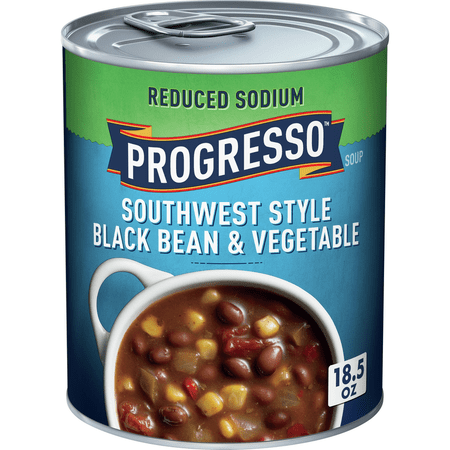

Progresso Reduced Sodium Southwest Style Black Bean & Vegetable Soup
Analysis updated May 2026 · How Scout scores
At a glance
Summary
This soup contains several beneficial ingredients like black beans, tomatoes, and peppers, which contribute to its nutritional value. However, it is heavily processed, with ingredients such as hydrolyzed corn protein and natural flavors, which are highly processed and lack transparency. The presence of added sugar and the overall processing level limit its healthiness despite the inclusion of some whole food ingredients.
Key ingredients 25
Black beansVery Good
Black beans are a rich source of plant-based protein and fiber. They are minimally processed and provide essential nutrients like iron and folate. Their inclusion in soups can enhance nutritional value and satiety.
Benefits
High in protein and fiber, supporting muscle health and digestion. Contains antioxidants that may reduce inflammation.
TomatoesVery Good
Tomatoes are a nutrient-rich vegetable high in vitamins A and C. They are often used in soups for their flavor and nutritional benefits. The lycopene content in tomatoes is linked to reduced risk of chronic diseases.
Benefits
Rich in vitamins and antioxidants, supporting immune function and reducing inflammation.
Red bell peppersVery Good
Red bell peppers are high in vitamin C and antioxidants. They are used in soups for their sweet flavor and nutritional benefits. Their vibrant color indicates a high content of beneficial phytonutrients.
Benefits
Rich in vitamin C and antioxidants, supporting immune health and reducing oxidative stress.
Chicken brothGood
Chicken broth is a flavorful base that provides protein and minerals. It is typically made by simmering chicken bones and meat, which can release collagen and nutrients. This ingredient can enhance the taste and nutritional profile of soups.
Risks
Potential risks include high sodium content if not reduced, which can affect blood pressure.
Benefits
Provides a source of protein and minerals, and can support joint health due to collagen content.
CornGood
Beneficial ingredient — whole-food or functional value in this product class.
Benefits
Provides dietary fiber and carbohydrates, contributing to energy and digestive health.
OnionsGood
Onions are a flavorful vegetable that adds depth to soups. They contain antioxidants and compounds that may support heart health. Onions are minimally processed and provide nutritional benefits.
Benefits
Contains antioxidants and sulfur compounds that may support cardiovascular health.
Green sweet peppersGood
Green sweet peppers provide vitamins and antioxidants. They are used in soups for flavor and nutritional enhancement. Their inclusion can contribute to the overall nutrient density of the dish.
Benefits
Provides vitamins and antioxidants, supporting overall health and wellness.
CilantroGood
Cilantro is an herb that adds flavor and potential health benefits. It is minimally processed and can provide antioxidants. Its use in soups can enhance flavor without adding calories.
Benefits
Contains antioxidants and may support detoxification processes.
Dried chili pepperGood
Dried chili pepper adds heat and flavor to dishes. It is minimally processed and contains capsaicin, which may have health benefits. Its use can enhance the flavor profile of soups.
Risks
May cause irritation or discomfort in sensitive individuals.
Benefits
Contains capsaicin, which may support metabolism and reduce inflammation.
Dried chipotle pepperGood
Dried chipotle pepper adds a smoky flavor and heat to dishes. It is minimally processed and contains beneficial compounds like capsaicin. Its inclusion can enhance the flavor and nutritional profile of soups.
Risks
May cause irritation or discomfort in sensitive individuals.
Benefits
Contains capsaicin, which may support metabolism and reduce inflammation.
Garlic powderGood
Garlic powder is a dehydrated form of garlic used for flavor. It retains some of the health benefits of fresh garlic, including potential cardiovascular benefits. It is a convenient way to add garlic flavor to dishes.
Benefits
Contains allicin, which may support heart health and immune function.
Tomato pasteNeutral
Tomato paste is a concentrated form of tomatoes used to enhance flavor. It is processed but retains some nutritional benefits of tomatoes. It is often used in small quantities in soups.
Benefits
Provides concentrated flavor and some nutrients like lycopene.
Toasted corn flourNeutral
Toasted corn flour is used for flavor and texture in soups. It is a processed form of corn that adds a nutty taste. While it contributes to flavor, it does not offer significant nutritional benefits.
Benefits
Adds flavor and texture to soups.
Chicken fatNeutral
Chicken fat is used for flavor and richness in soups. It is a natural fat source but should be consumed in moderation. It can enhance the taste of soups without significant health risks.
Risks
Excessive consumption may contribute to increased calorie intake.
Benefits
Adds flavor and richness to soups.
SaltNeutral
Salt is used to enhance flavor in soups. It is essential for taste but should be consumed in moderation to avoid health issues. Reduced sodium versions aim to balance flavor and health concerns.
Risks
Excessive intake can lead to high blood pressure and cardiovascular issues.
Benefits
Enhances flavor and is essential for bodily functions in moderation.
Potassium chlorideNeutral
Potassium chloride is used as a salt substitute to reduce sodium content. It provides potassium, an essential mineral for heart health. Its use in reduced sodium products can help maintain flavor while lowering sodium intake.
Risks
Excessive intake may cause hyperkalemia, especially in individuals with kidney issues.
Benefits
Provides potassium, supporting heart and muscle function.
SpiceNeutral
Spice is a general term for various flavoring agents used in cooking. It is minimally processed and can enhance the taste of foods. The specific spices used are not disclosed, limiting detailed analysis.
Benefits
Enhances flavor and may provide antioxidants depending on the spice.
Tomato extractNeutral
Tomato extract is used for flavor and color in foods. It is a concentrated form of tomatoes but lacks the full nutritional profile. It is often used in small amounts in processed foods.
Benefits
Provides flavor and color to foods.
Onion powderNeutral
Onion powder is a dehydrated form of onions used for flavor. It is processed but retains some of the nutritional benefits of fresh onions. It is commonly used in soups for convenience and taste.
Benefits
Adds flavor and some nutrients like antioxidants.
Calcium chlorideNeutral
Calcium chloride is used as a firming agent in foods. It is a salt that provides calcium but is not a significant source of nutrition. It is commonly used in canned vegetables to maintain texture.
Benefits
Helps maintain texture and firmness in canned foods.
Citric acidNeutral
Citric acid is used as a preservative and flavor enhancer. It is naturally found in citrus fruits and is used to add acidity to foods. It is generally recognized as safe when used in moderation.
Benefits
Acts as a preservative and enhances flavor.
Modified food starchBad
Chemically modified starch additive.
Benefits
Improves texture and consistency of soups.
Hydrolyzed corn proteinBad
Hydrolyzed corn protein is a flavor enhancer derived from corn. It is highly processed and can contain free glutamates, similar to MSG. Its use is controversial due to potential sensitivities.
Risks
May cause sensitivities or allergic reactions in some individuals.
Benefits
Enhances flavor in processed foods.
Natural flavorBad
Natural flavor is a catch-all term for flavoring agents derived from natural sources. It is highly processed and lacks transparency, making it difficult to assess health impacts. Its use is often criticized for potential undisclosed additives.
Risks
May contain undisclosed additives or allergens.
Benefits
Enhances flavor in processed foods.
SugarBad
Sugar is used to enhance sweetness in foods. It is a refined carbohydrate with no essential nutrients. Excessive consumption is linked to various health issues, including obesity and diabetes.
Risks
High intake can lead to obesity, diabetes, and dental issues.
Benefits
Provides quick energy but lacks nutritional benefits.
Processing
Ultra-Processed Foods
Get the full breakdown in the Scout appTake Scout shopping
Scan any product to see lab results, healthy alternatives, and your personalized analysis.
Download on theApp Store GET IT ONGoogle PlayAmazon pricing & content
Amazon price as of . Product prices and availability are accurate as of the date/time indicated and are subject to change. Any price and availability information displayed on Amazon.com at the time of purchase will apply to the purchase of this product.
CERTAIN CONTENT THAT APPEARS ON THIS SITE COMES FROM AMAZON. THIS CONTENT IS PROVIDED “AS IS” AND IS SUBJECT TO CHANGE OR REMOVAL AT ANY TIME.